
Last updated November 16, 2026
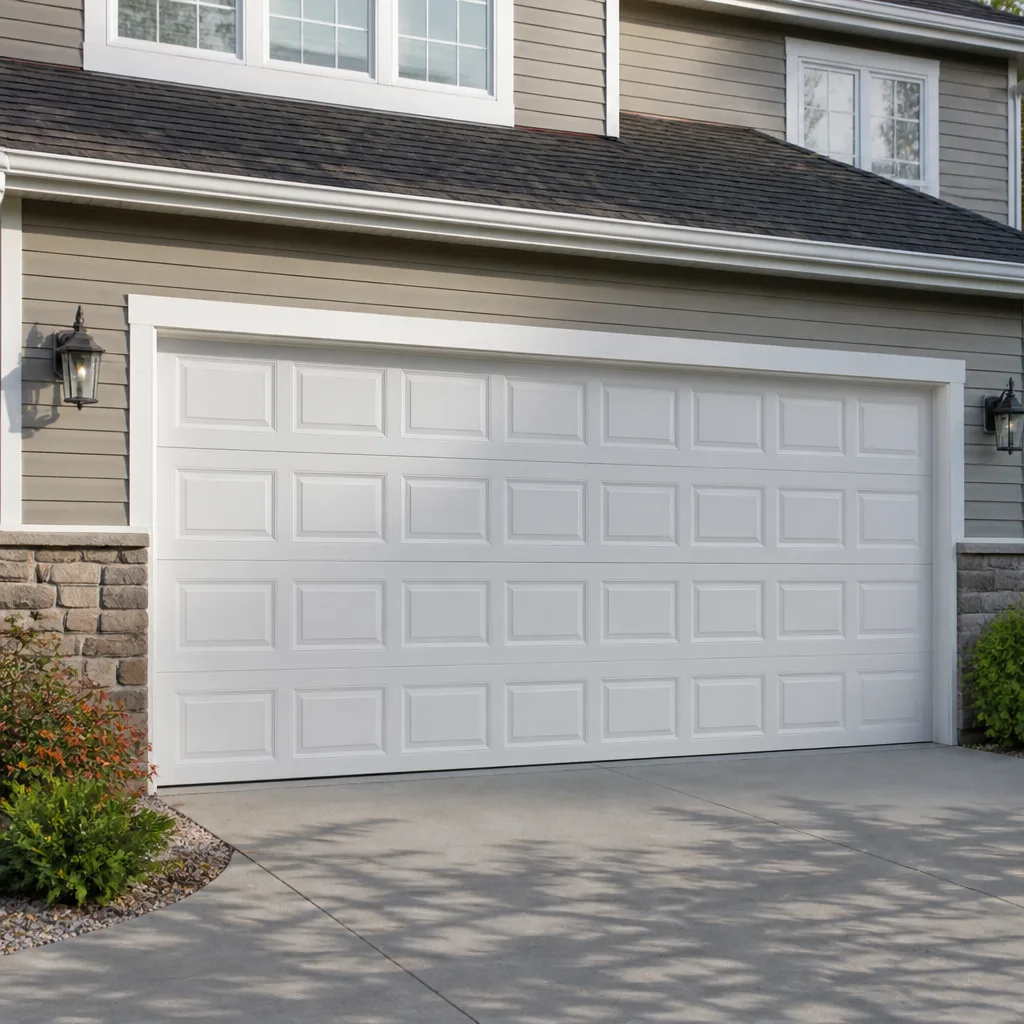 Raised-panel steel
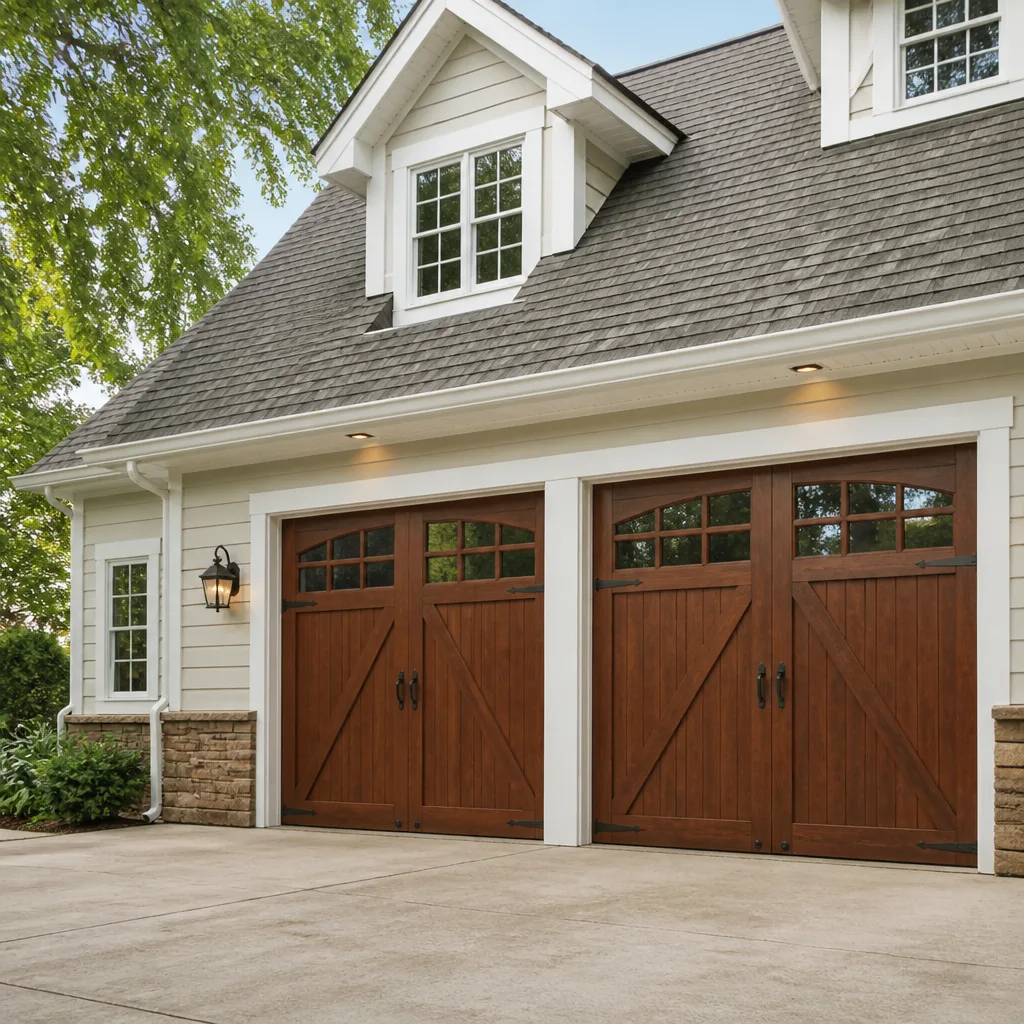 Carriage house
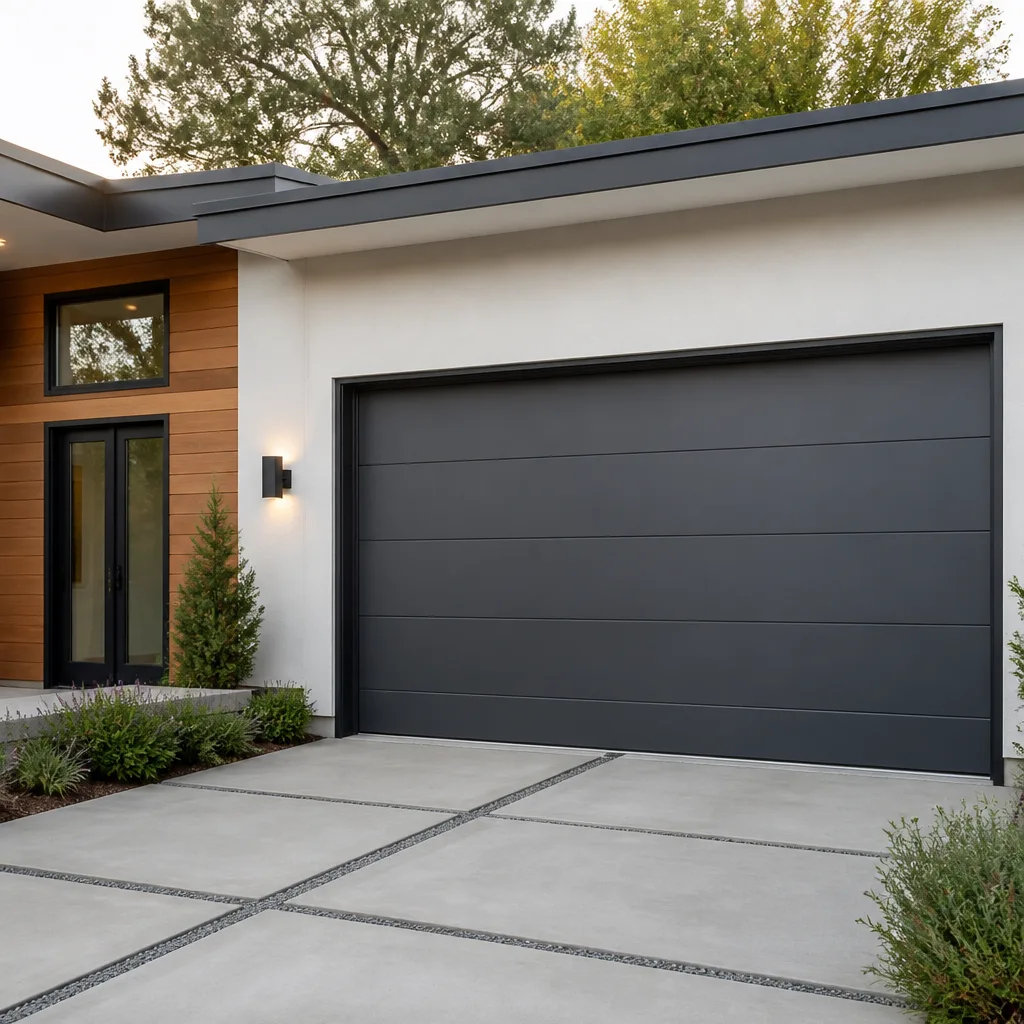 Modern flush
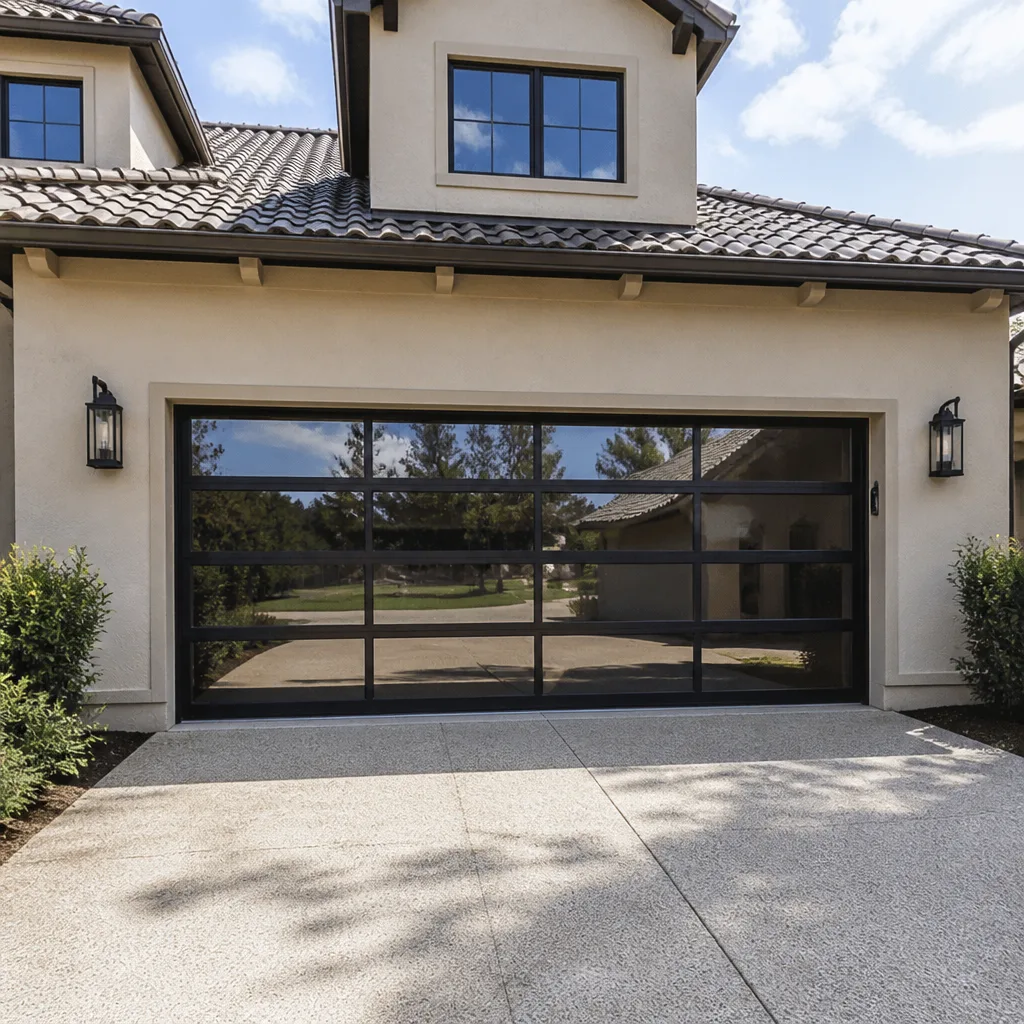 Full-view glass
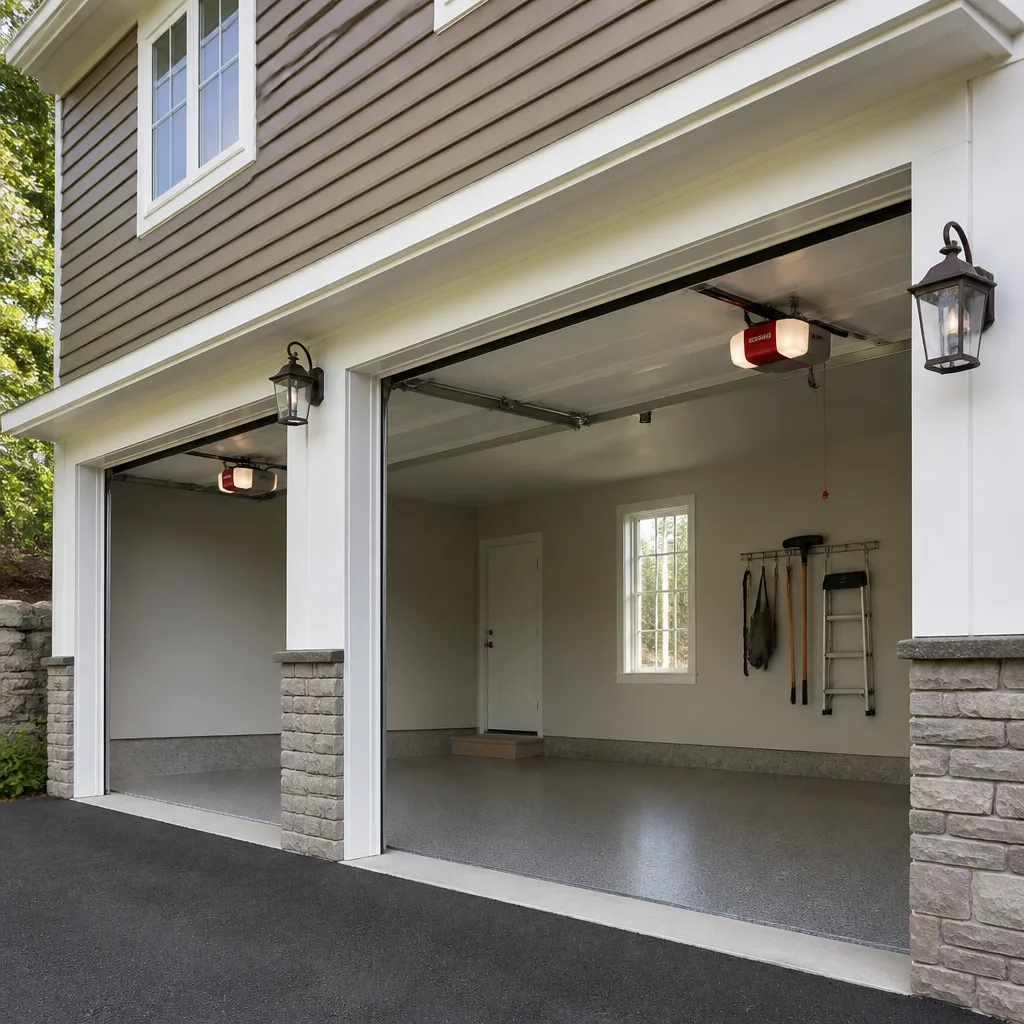 LiftMaster openers
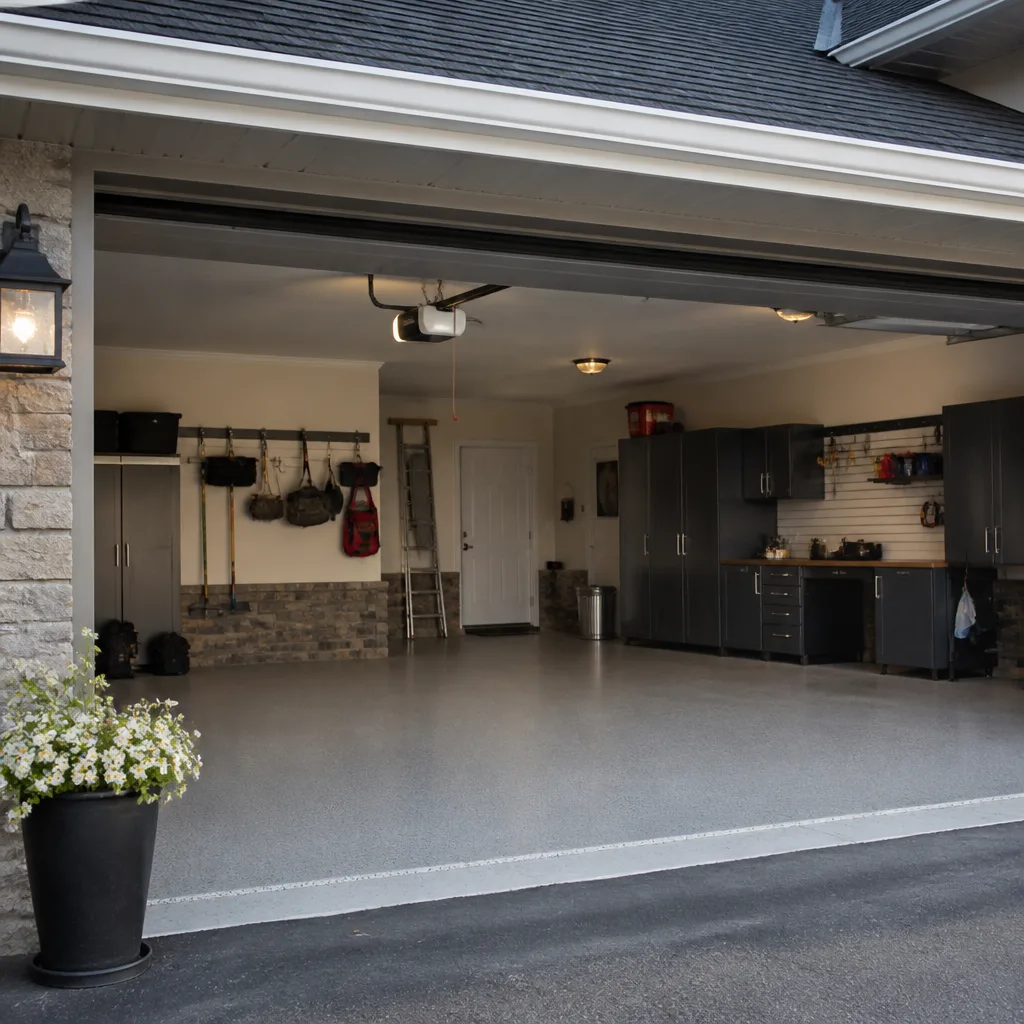 Chamberlain openers
Full 25-point door and opener safety check with every visit - springs, cables, rollers, tracks, and your LiftMaster or Chamberlain opener included
You get a price before we start. It does not change when the pro arrives.
Get your free estimateGarage Door Repair Maintenance Schedule: What to Do and When
Most garage door advice treats maintenance as a vague seasonal ritual: “check the door twice a year and you’re fine.” That misses what actually wears out. A garage door isn’t one machine with one clock. It’s a handful of components, each with its own wear cycle, and the calendar alone can’t tell you when they’re due. Springs are rated in cycles. Rollers wear by miles traveled. Weatherstripping degrades with temperature swings, not door openings. The homeowner who lubes a squeaky hinge in July but ignores the spring in January has the schedule backwards. This guide lays out the four tasks that matter, when each is actually due, and how to check your own door so you know when to call. Every recommendation here is grounded in the way doors wear in Quincy and across the South Shore.
Quick Answer
A garage door needs four maintenance tasks done on a schedule tuned to how often you use it: lubrication every 6 to 12 months, a balance and force check every 6 months, a full hardware inspection after each hard winter, and weatherstripping replacement every 3 to 5 years. Springs are rated in cycles, not years, so a door opened 6 times a day wears a spring out twice as fast as one opened 3 times a day. In Quincy, the biggest seasonal wear comes from freeze-thaw cycles between December and March, which loosen hardware and crack weather seals faster than anywhere warm. Book professional service when your door groans, jerks, or won’t stay balanced on its own.
Styles & brands we work with
- Raised-panel steel
- Carriage house
- Modern flush
- Full-view glass
- LiftMaster openers
- Chamberlain openers
Table of Contents
- Cycle-Based vs. Calendar-Based Maintenance
- The Four Maintenance Tasks and When to Do Them
- The Right Lubricants for Each Component
- The Quincy Seasonal Checklist
- The Door Balance Test and Force Adjustment Test
- What a Professional Tune-Up Catches That You Won’t
- Common Mistakes to Avoid
- When to Call a Professional
Cycle-Based vs. Calendar-Based Maintenance: Why the Difference Matters
Every garage door spring has a rated cycle life. A standard torsion spring is typically rated for around 10,000 cycles. Open your door twice a day, 365 days a year, and that’s roughly 14 years of normal use. Double it to 4 openings a day and you cut the spring’s life nearly in half. Same spring, same house, half the lifespan. The calendar never sees this. Only you do.
This is the core reason a generic “check your door twice a year” schedule falls short. Half of what wears out on a garage door is time-based: weatherstripping, lubrication breakdown, hinge bushing grease loss. The other half is cycle-based: springs, rollers, cable wear at the drums, opener motor and rail wear. A family that parks two cars and comes and goes 6 or 8 times a day needs a different cadence than a household that opens the door twice. If you’re not sure which schedule fits your home, we’re happy to help you work it out: call (844) 755-5234 and we’ll walk through it with you.
Here’s the practical translation:
- Light use (1 to 2 openings a day): standard calendar schedule is fine. Springs should last well into their rated life.
- Heavy use (4 to 8 openings a day): multiply your inspection frequency. A door this active should get a professional tune-up roughly twice as often.
- Commercial or multi-driver households: treat the door like a small industrial system. Springs, rollers, and opener motor start to show wear earlier.
The other Quincy variable is seasonal. A door that sits mostly idle through a cold February doesn’t cycle much, but the frame, hinges, and weatherseal take a beating from freeze-thaw expansion. So calendar checks still matter, just for different components than the cycle count catches.
The Four Maintenance Tasks and When to Do Them
Anyone can follow a maintenance schedule if it’s boiled down to the right tasks in the right order. In our experience, these four cover 90% of what keeps a residential door running smoothly:
- Lubrication – every 6 to 12 months, sooner on heavy-use doors
- Balance and force check – every 6 months
- Hardware and weatherstripping inspection – after every hard winter, and once mid-summer
- Professional tune-up – every 12 to 24 months, depending on use and door age
That’s the whole schedule. Everything else in this guide is detail on how to do each task correctly, what to watch for, and when the “do it yourself” version isn’t enough. The key is that these aren’t four random suggestions. Lubrication protects the moving metal; the balance and force check protects the opener; the inspection catches hardware and seals before they fail; the tune-up catches what inspection misses. Each task is tied to a specific wear mechanism.
Beyond the numbered schedule, there are one-off triggers that should pull you off the routine and into action:
- Any new noise that wasn’t there before (grinding, scraping, popping)
- Any visible sag, uneven gap, or door that won’t close flush
- Any sudden change in how the door feels when you lift it manually
- Any visible crack or bend in a spring, cable, or track
If any of those show up, the schedule is out the window. Call for help before you keep operating the door. Since garage doors are all we do, this is the kind of diagnostic work we handle day in and day out in Quincy and neighboring towns. If you’ve noticed your door is acting off, our garage door repair service is the place to start.
The Right Lubricants for Each Component (And Which Common Products to Avoid)
Lubrication is the single highest-value maintenance task you can do as a homeowner, and it’s also where most backyard “fixes” go wrong. Using the wrong product can actively damage the door. The two most common mistakes we see: spraying WD-40 on hinges and rollers, and putting grease on the tracks.
Here’s a component-by-component chart of what’s safe and what to avoid:
- Hinges, rollers (metal only), and torsion spring coils: use a white lithium grease or a purpose-made garage door lubricant. Do NOT use WD-40 or any light penetrating oil. It degreases the bearings and evaporates within weeks, leaving the parts drier than before.
- Nylon rollers: no lubricant. Nylon rollers are self-lubricating. Adding oil attracts dust and grit, which accelerates wear.
- Tracks: no lubricant of any kind. The door’s rollers ride in the track and roll, they don’t slide. Greasing the track makes the rollers skid and collects grit. Wipe the track clean with a dry rag and leave it dry.
- Opener rail and chain (chain-drive openers): use a chain-specific lubricant, not grease, and not WD-40. Belt-drive openers normally need none.
- Weatherstripping (bottom seal and side seals): a light application of silicone spray keeps the rubber pliable and reduces sticking, especially in cold weather.
- Hinge pivot points and lock hardware: a drop of light machine oil on the pivot is fine. Avoid spraying anything else nearby.
The one product to leave entirely alone is WD-40. It’s a penetrating oil and water displacer, not a lasting lubricant. It cuts through the protective grease already doing its job, then evaporates and leaves the part unprotected. We’ve pulled plenty of squeaky, sticky doors out of Quincy garages where the homeowner meant well but used the wrong spray.
Springs and cables are a different story. Never touch them. High-tension springs and the cables running to them are under dangerous force, and manipulating either one without training and the right equipment can cause serious injury. Lubricating the spring coils is the one exception, and do that from a distance with a purpose-made spray; never reach into the mechanism.
The Quincy Seasonal Checklist
New England weather puts a specific stress on garage doors that a generic schedule doesn’t address. In and around Quincy, the two seasonal turning points that matter most are late fall (pre-winter prep) and late winter (post-freeze-thaw inspection). Miss either one and you’re rolling the dice on a February failure right when you don’t want one.
Late Fall (October – November): Pre-Winter Preparation
- Inspect and reseal weatherstripping. Run your hand along the bottom seal with the door closed. Any gap, crack, or brittleness means it needs replacement before the first hard freeze. This is what keeps cold air and snowmelt out of the garage and protects the hardware from frozen moisture.
- Lubricate all hinges, rollers (metal), and the spring coils. Cold weather thickens grease. A door just serviced in October runs smoother through January than a door last touched in July.
- Check and tighten hinge and bracket bolts. Hardware that’s slightly loose in October is looser after a few months of freeze-thaw vibration.
- Test the auto-reverse safety feature. Place a 2×4 flat on the ground under the door and close it. The door should reverse on contact. It matters in cold months when the seal is stiff.
Late Winter (March – April): Post-Freeze-Thaw Inspection
- Walk the door up and down manually. Freeze-thaw cycles loosen hardware and can shift track alignment by a fraction of an inch, enough to make rollers drag.
- Look at every hinge and roller for cracks and looseness. Hairline cracks in a plastic roller are easy to miss in November and obvious in March.
- Test the bottom seal again. A seal that survived October may have split after a February cold snap and a March thaw.
- Check the balance. A door that balanced fine in the fall may now drop or lift unevenly. That points to a spring that’s aging faster than expected.
Quincy’s housing stock varies a lot: older homes in neighborhoods like Wollaston, Quincy Point, and Squantum often have tighter clearances around the door opening, so a slightly misaligned seal shows up as a draft faster than in a newer construction home. Doors on north-facing garage walls hold moisture longer and benefit from an earlier fall inspection. None of this is dramatic; it’s just the local reality that makes a Quincy schedule slightly different from one you’d read in a national magazine.
The Balance Test and Force Adjustment Test: Two Checks That Predict Failure
These two tests are the most underused tools in home garage door maintenance. Done correctly, they’ll warn you about a weakening spring or an overtaxed opener weeks or months before either fails.
The Balance Test
The balance test checks whether the door’s springs are doing their job.
- Disconnect the opener. Use the manual release cord (usually red) to detach the door from the opener carriage. The door should have no motorized assist.
- Raise the door halfway. Lift it about halfway up and let go.
- Watch what it does. A properly balanced door will stay roughly where you left it. If it drops or rises to the floor, the springs need adjustment or replacement.
- Reconnect the opener. Pull the release cord to re-engage the carriage, then run the opener once to confirm proper re-connection.
If the door drops, one or both springs have weakened. If it rises, the springs are over-tensioned. Either way, don’t try to adjust the springs yourself. That’s one of the genuinely dangerous parts of a garage door, and both springs are under serious tension even when the door is down. Call a trained professional. Our team handles this on doors across Quincy every week; garage door opener repair often turns into a spring investigation because the opener was working hard to compensate for a failing spring.
The Force Adjustment Test
The force test checks whether the opener is pushing too hard or too little, a common reason openers fail early.
- Place a 2×4 flat on the floor under the middle of the door.
- Close the door using the opener or wall button.
- Confirm the door reverses on contact with the board. If it hits the board and stops without reversing, the safety setting is wrong and that’s a serious hazard. If it reverses before the board, it’s set too sensitive and the door will stop mid-travel on cold days.
- Repeat with your hand near the bottom edge during the close. The door should also reverse under light resistance at the bottom edge. This tests the secondary safety system.
LiftMaster, Chamberlain, Genie, and Craftsman openers all make these force adjustments through the wall control panel, but the exact procedure differs by model. Running the test is safe for a homeowner. Adjusting the opener beyond the manual’s basic settings is where we’d rather be the ones doing it. If your opener is a smart-home-connected MyQ or Aladdin Connect system, so much more of the setup is tied to that pairing that any force issues usually warrant a diagnostic rather than a home fix.
What a Professional Tune-Up Catches That You Won’t
A careful homeowner can keep a garage door running for years with the tasks above. But there’s a category of failure only a trained eye catches, and it’s often the difference between a small repair and a full-blown breakdown.
On a professional tune-up, a technician is checking for:
- Hairline cracks in springs and cables that aren’t visible to the untrained eye but signal imminent failure
- Roller bearing play you can only feel by turning each roller by hand
- Track alignment drift caused by foundation settling or freeze-thaw, usually a fraction of an inch that shows up as premature roller wear
- Opener gear and sprocket wear inside the housing, invisible without opening the case
- Cable wear at the drums where the cable loops repeatedly, usually the first place to fray
- Hinge plate bending and bolt stretch from years of load cycling
The tune-up also brings a professional torque check on every fastener, a precise balance adjustment (if needed), and confirmation that the auto-reverse safety system works to current standards. That last point matters for homeowners who care about a safe door for kids and pets.
We work across the eight most widely installed brands in residential use – LiftMaster, Chamberlain, Genie, Clopay, Amarr, Wayne Dalton, Craftsman, and Raynor – so we can do a proper tune-up on your Clopay, Amarr, or Wayne Dalton door and your Genie or LiftMaster opener without guesswork. Our technicians have up to 15 years of experience diagnosing exactly this kind of wear. Whether your door needs a repair or a full replacement, that’s a conversation we’re happy to have; the point of a tune-up is to catch problems before they push you into the second category.
Common Mistakes to Avoid
- Spraying WD-40 on hinges and rollers. It degreases the bearings and evaporates, leaving the parts worse off. Use a purpose-made garage door lubricant or white lithium grease instead.
- Greasing the tracks. Tracks should be dry. Grease makes rollers skid and collects grit, which speeds up wear. Wipe clean and leave dry.
- Skipping the post-winter inspection. Quincy’s freeze-thaw cycles are exactly the kind of seasonal stress that loosens hardware and splits weatherstripping. Every spring, do the walk-around.
- Adjusting the springs yourself. High-tension springs are under force strong enough to cause serious injury. Leave spring work to a trained professional, no exceptions.
- Ignoring the balance test. A door that doesn’t hold position on its own is telling you a spring is failing. Every month you ignore it, the opener works harder and the eventual repair gets bigger.
- Replacing the opener when the door is the problem. If a door is heavy or binds, a new opener won’t fix it. Diagnose the door first.
- Letting a small seal crack go through the winter. A $30 weatherstrip job becomes a moisture-and-corrosion repair when water gets in and freezes. Replace weatherstripping the moment you spot a gap in Quincy’s fall.
When to Call a Professional
Some maintenance tasks are safe for a homeowner: lubrication, weatherstripping inspection, and the balance and force tests. Others genuinely need a trained technician. Call us when:
- The balance test fails and the door drops or rises on its own
- You see any crack in a spring or cable, however small
- The door makes a grinding, scraping, or popping noise that wasn’t there before
- The door won’t close flush or the gap on one side is larger than on the other
- The opener reverses unexpectedly or refuses to reverse at all
- It’s been more than two years since any professional inspection
These aren’t situations to push through and “see what happens.” A cracked spring can fail completely without warning, and a door that binds or hangs can drop a cable or slip a track. Both are the kind of thing that goes from “small annoyance” to “car stuck in the garage” in a single afternoon.
Quincy Garage Door Service offers free estimates in Quincy. Call (844) 755-5234. We answer 24/7. Fast dispatch from 7am to 7pm, Sunday through Friday. We work with LiftMaster, Chamberlain, Genie, Clopay, Amarr, Wayne Dalton, Craftsman, and Raynor systems, so whether your door is a Clopay or Amarr install or your opener is a MyQ-enabled Chamberlain, you’re not going to have to explain your system to us.
See the difference
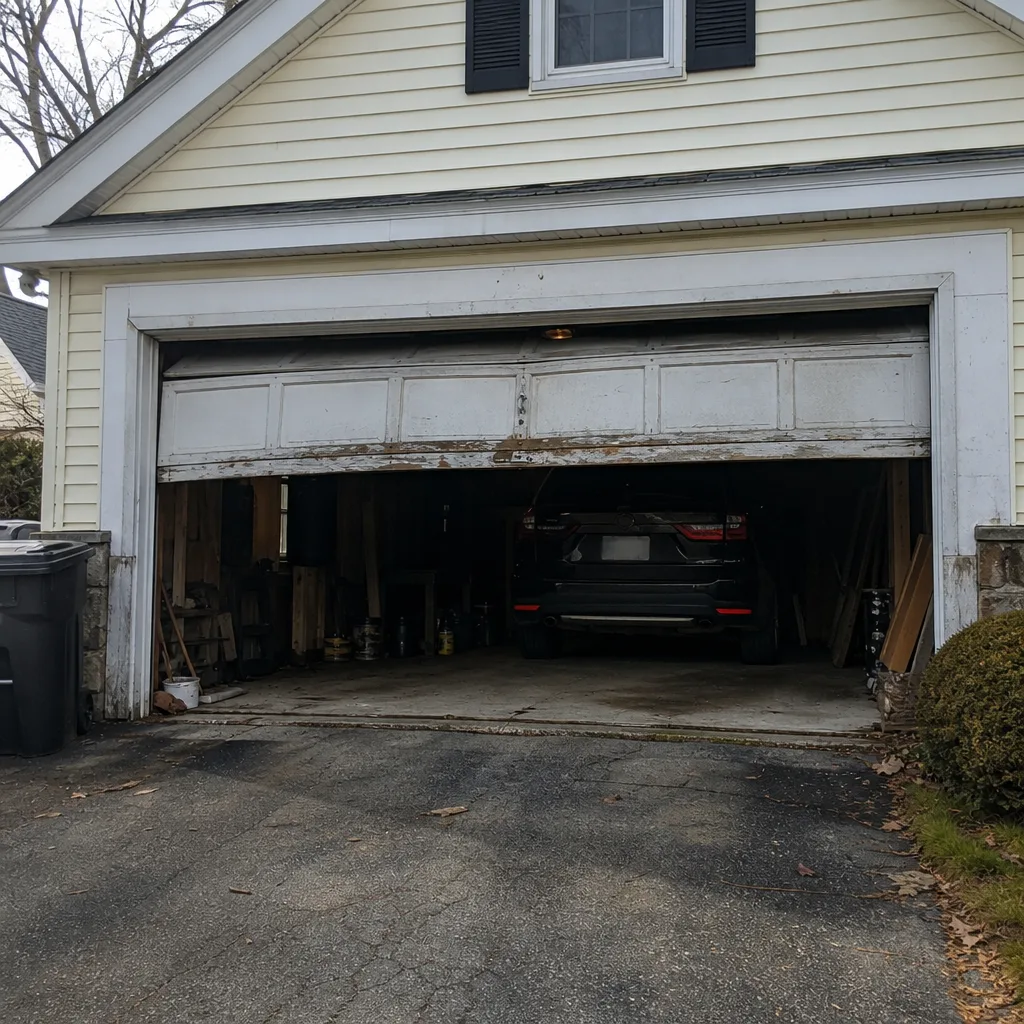 Before
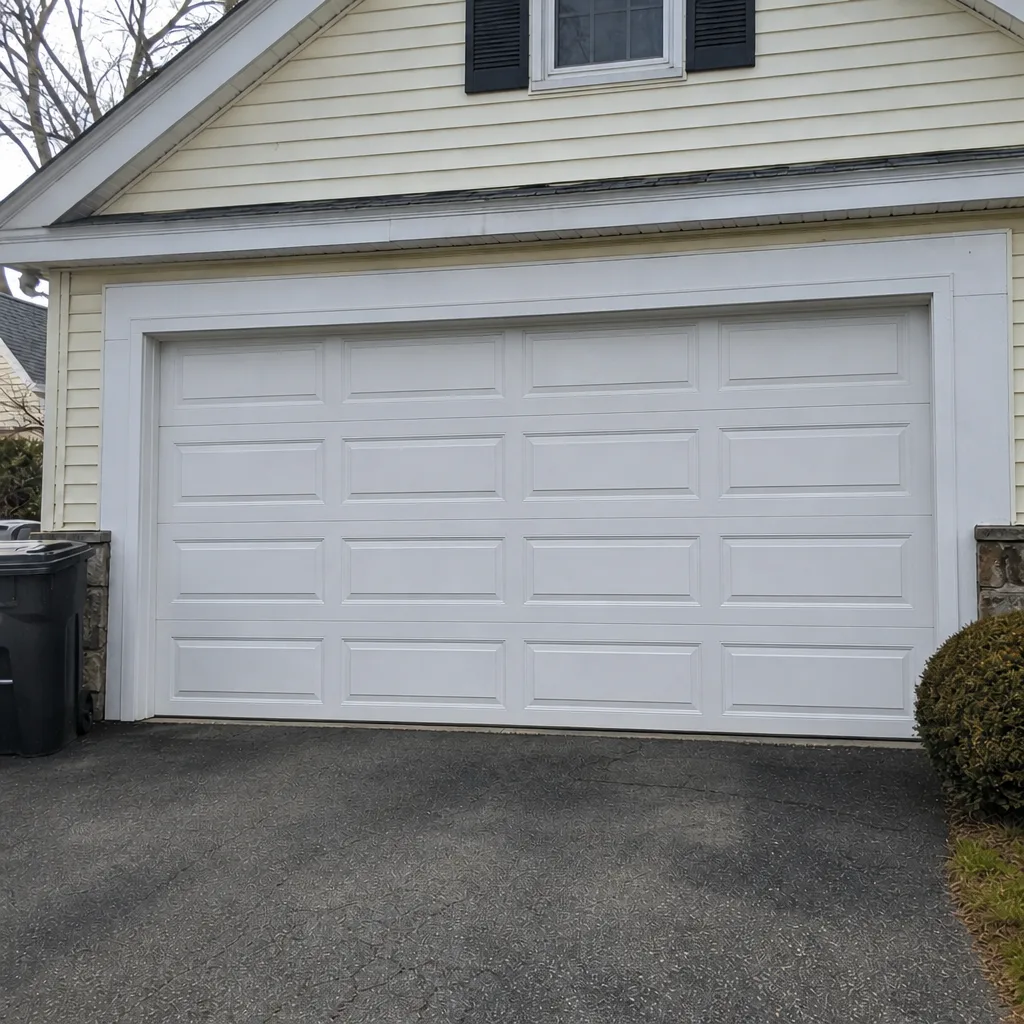 After
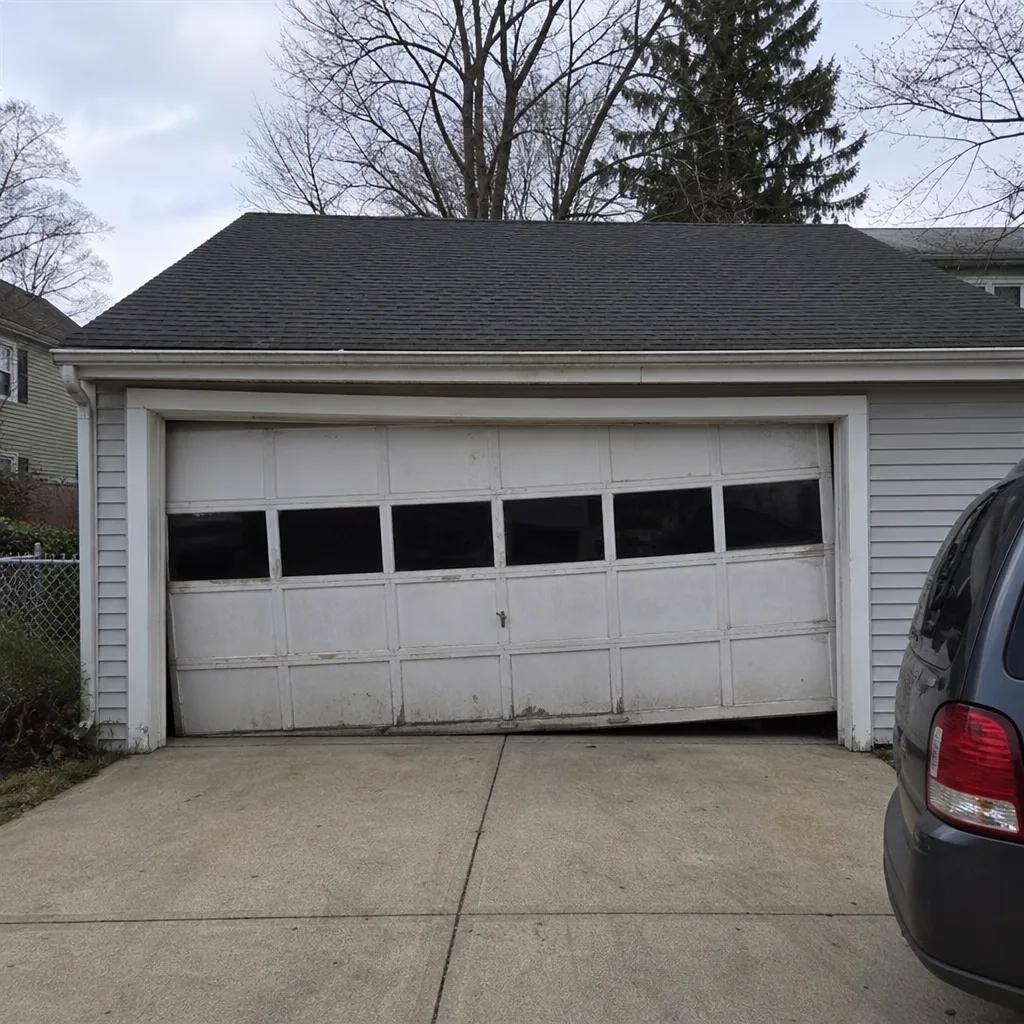 Before
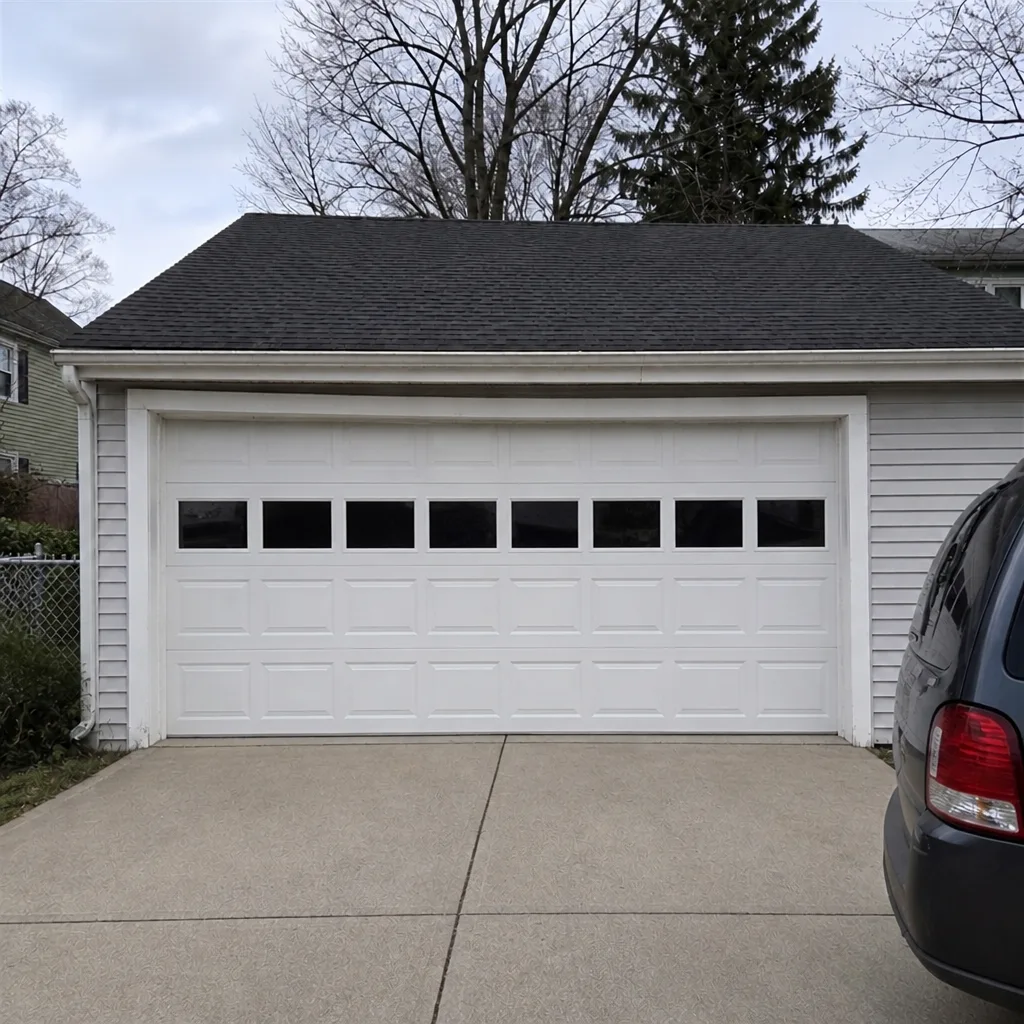 After
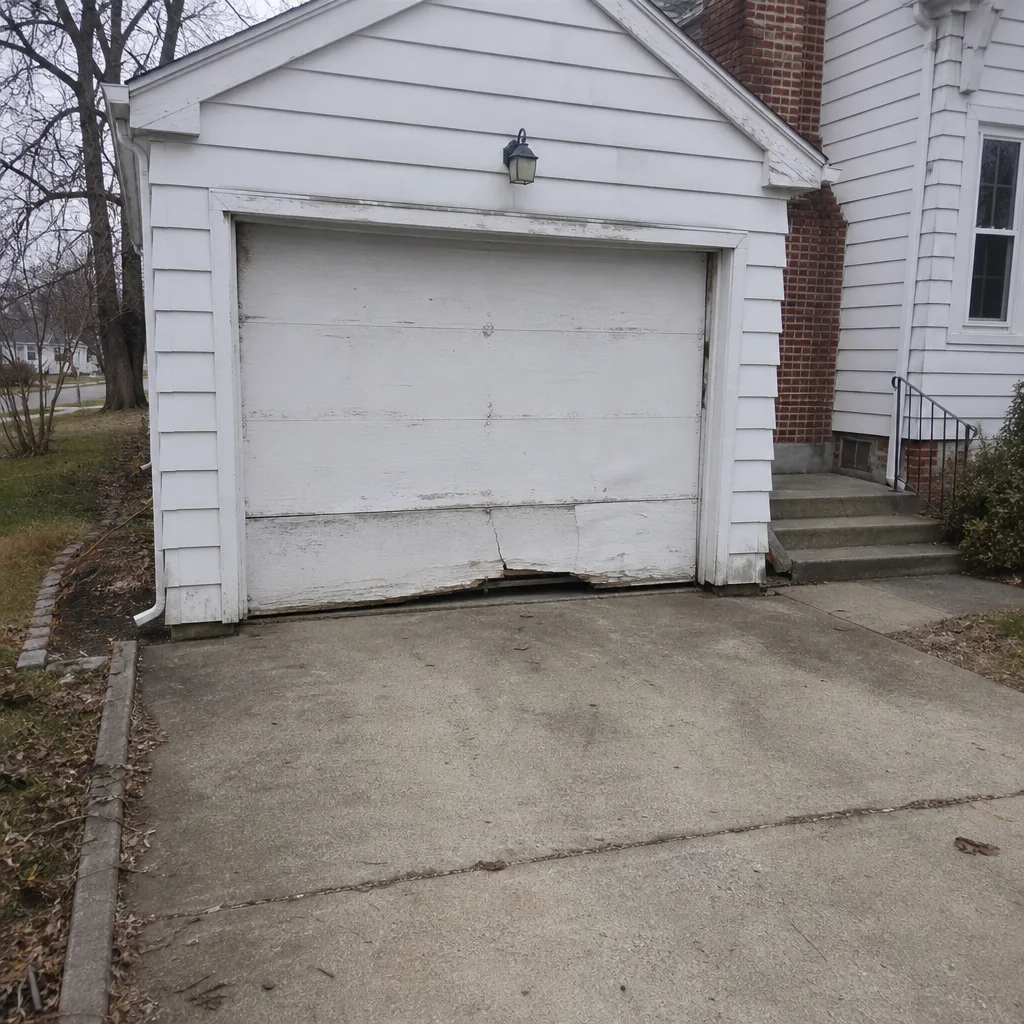 Before
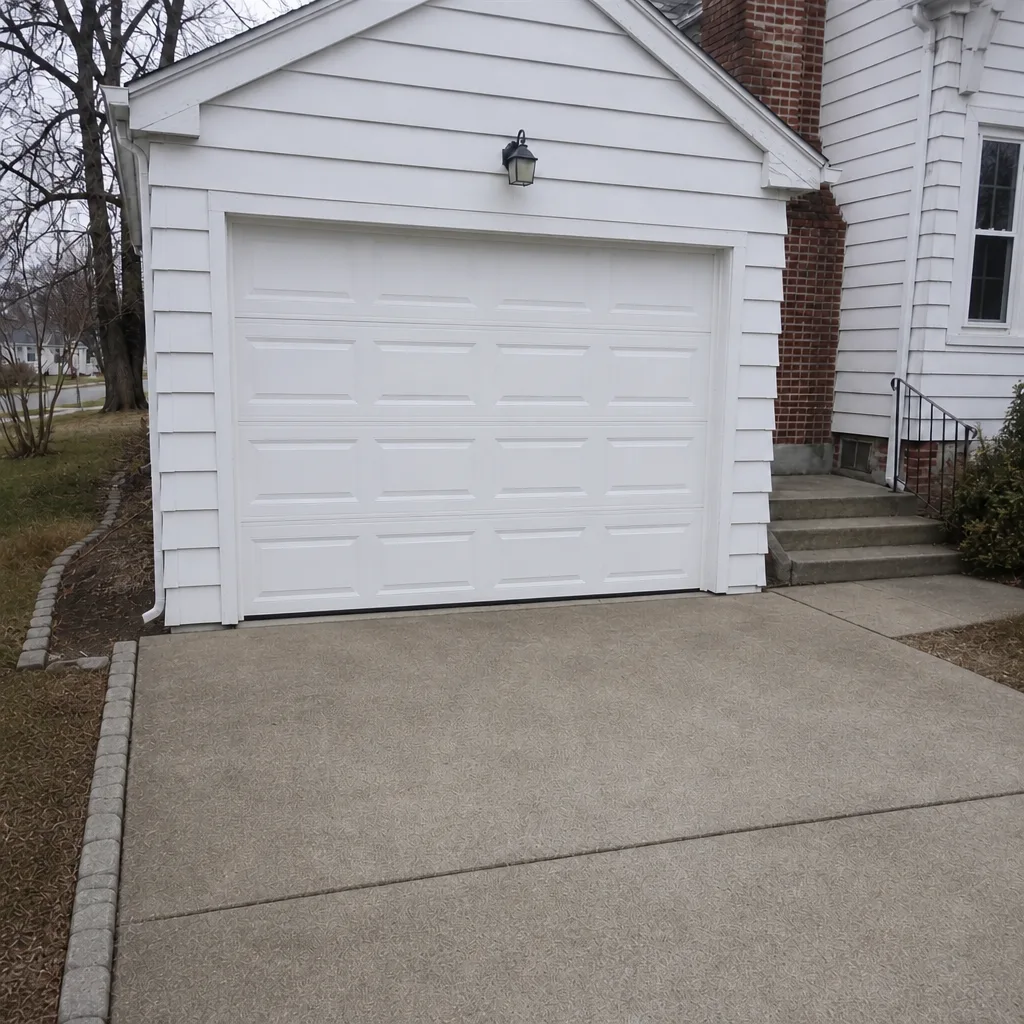 After
Frequently Asked Questions
Lubricate metal hinges, rollers, and torsion spring coils every 6 to 12 months. A heavy-use door (4 or more openings a day) should be lubricated closer to every 6 months. Use white lithium grease or a purpose-made garage door lubricant, never WD-40 or a light penetrating oil, and don’t lubricate the tracks or nylon rollers at all. If you’re not sure whether your door qualifies as heavy use, call (844) 755-5234 and we’ll help you figure out the right cadence.
Standard torsion springs are typically rated for around 10,000 cycles. Open your door twice a day and that’s roughly 14 years of normal use; open it 6 to 8 times a day and you cut that lifespan by more than half. High-cycle springs are available if your house has an active door. Call (844) 755-5234 for an exact quote on your spring replacement; estimates are free.
Yes, for most homeowners. Home maintenance catches the visible wear, but a professional tune-up catches hairline spring cracks, roller bearing play, track alignment drift, and internal opener wear that you can’t see or feel during a home inspection. Every 12 to 24 months is a reasonable cadence for most residential doors in the Quincy area; call (844) 755-5234 to book one and get a written price before any work begins.
The balance test checks whether the springs are doing their job: lift the door halfway with the opener disconnected and see if it holds position. The force test checks whether the opener is pushing too hard or too little: put a 2×4 under the door and confirm it reverses on contact. Both are safe for a homeowner to run, and both catch the early warning signs of spring and opener failure. If either test fails, call (844) 755-5234 for a diagnostic.
Use white lithium grease or a garage-door-specific spray on hinges, metal rollers, and spring coils. Use silicone spray on weatherstripping to keep the rubber pliable through freeze-thaw cycles. Use a chain lubricant on chain-drive openers, not grease. Never use WD-40 on hinges or rollers, and never grease the tracks. Call (844) 755-5234 if you’re unsure what your specific opener or door brand calls for.
Nothing catastrophic at first, but the wear compounds. Freeze-thaw cycles loosen hardware faster here than in mild climates, and a neglected weatherseal lets moisture into the door frame where it can damage the wood and accelerate corrosion on hinges. Spring wear keeps accumulating regardless. Skipping a few years isn’t fatal, but it usually means catching up with a full tune-up plus whatever the accumulated repairs turn out to be. Call (844) 755-5234 for a free estimate and we’ll tell you exactly what your door needs; the price is written and agreed before any work starts.
The Bottom Line
A garage door maintenance schedule is really four tasks on a calendar tuned to how often your door actually cycles. Lubricate hinges, metal rollers, and springs every 6 to 12 months. Run the balance test and the force test every 6 months. Do the post-winter inspection every spring, right when the freeze-thaw cycle ends in Quincy. Book a professional tune-up every 12 to 24 months. That’s it. The rest is just doing each task with the right products, understanding that springs and opener motors have specific limits, and knowing when to call in someone who’ll spot the hairline crack before it becomes a broken door.
We provide Quincy Garage Door Service across the city and the surrounding area. Our team also serves homeowners throughout Quincy and nearby communities with the same single-trade focus: every job is a garage door job. Call (844) 755-5234 for a free estimate. We answer 24/7. Fast dispatch from 7am to 7pm, Sunday through Friday. Whether you need a repair, a spring replacement, or guidance on whether your current door is worth another year, we’ll give you a straight answer and a written price upfront.
Written by the team at Quincy Garage Door Service.