
Last updated November 16, 2026
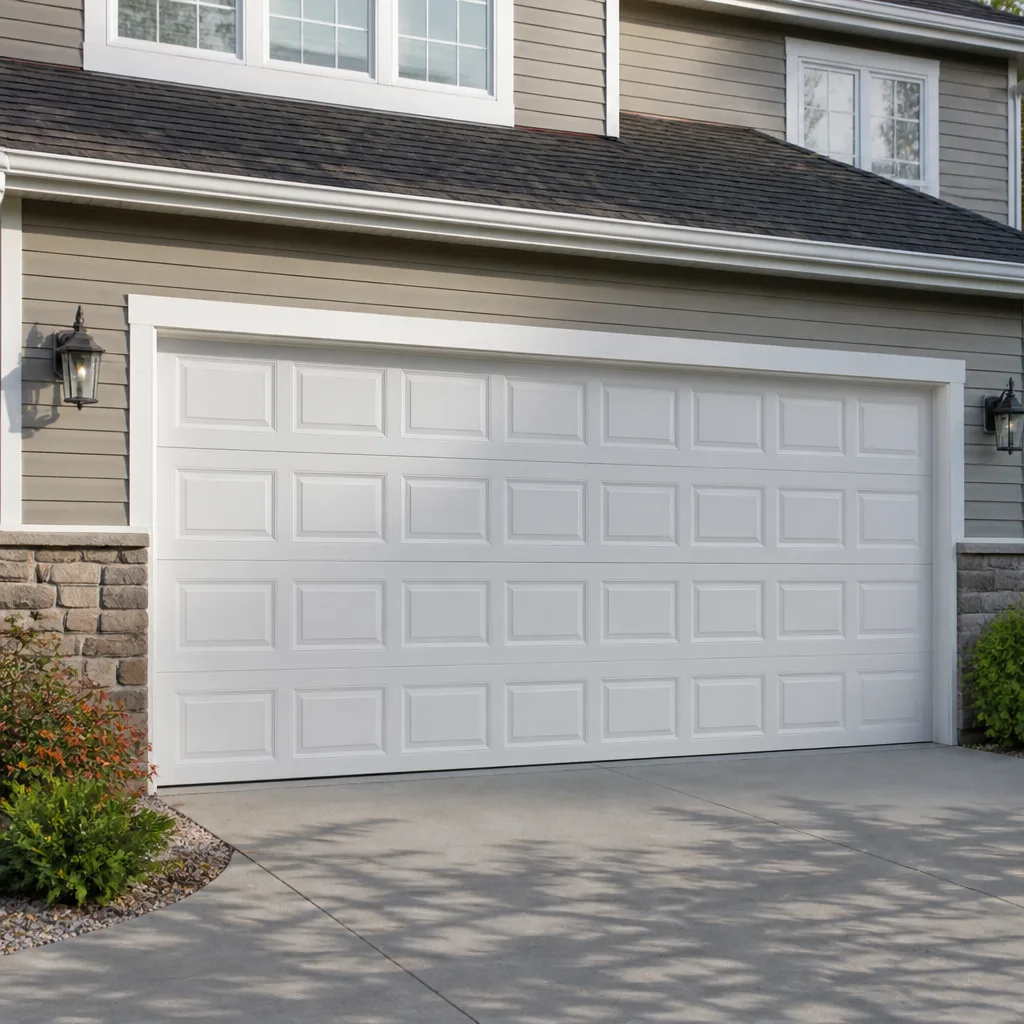 Raised-panel steel
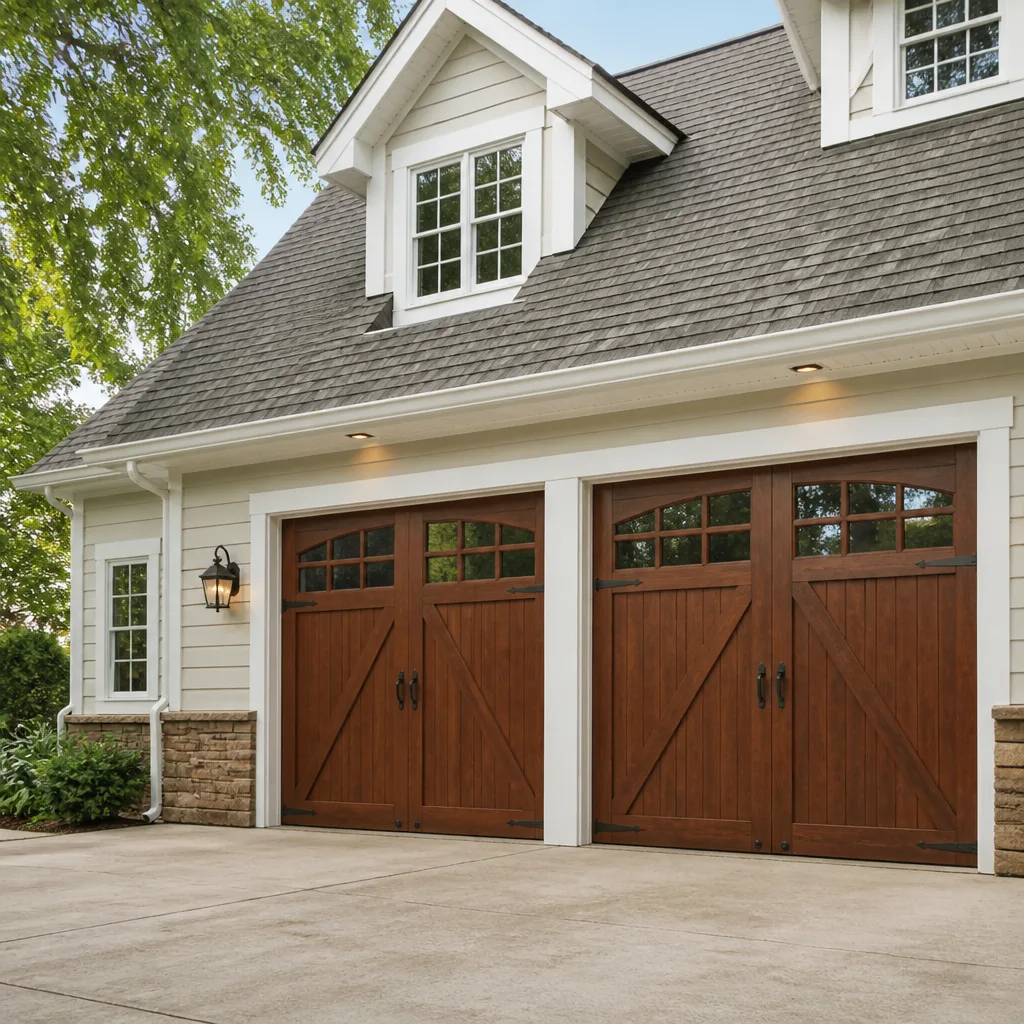 Carriage house
 Modern flush
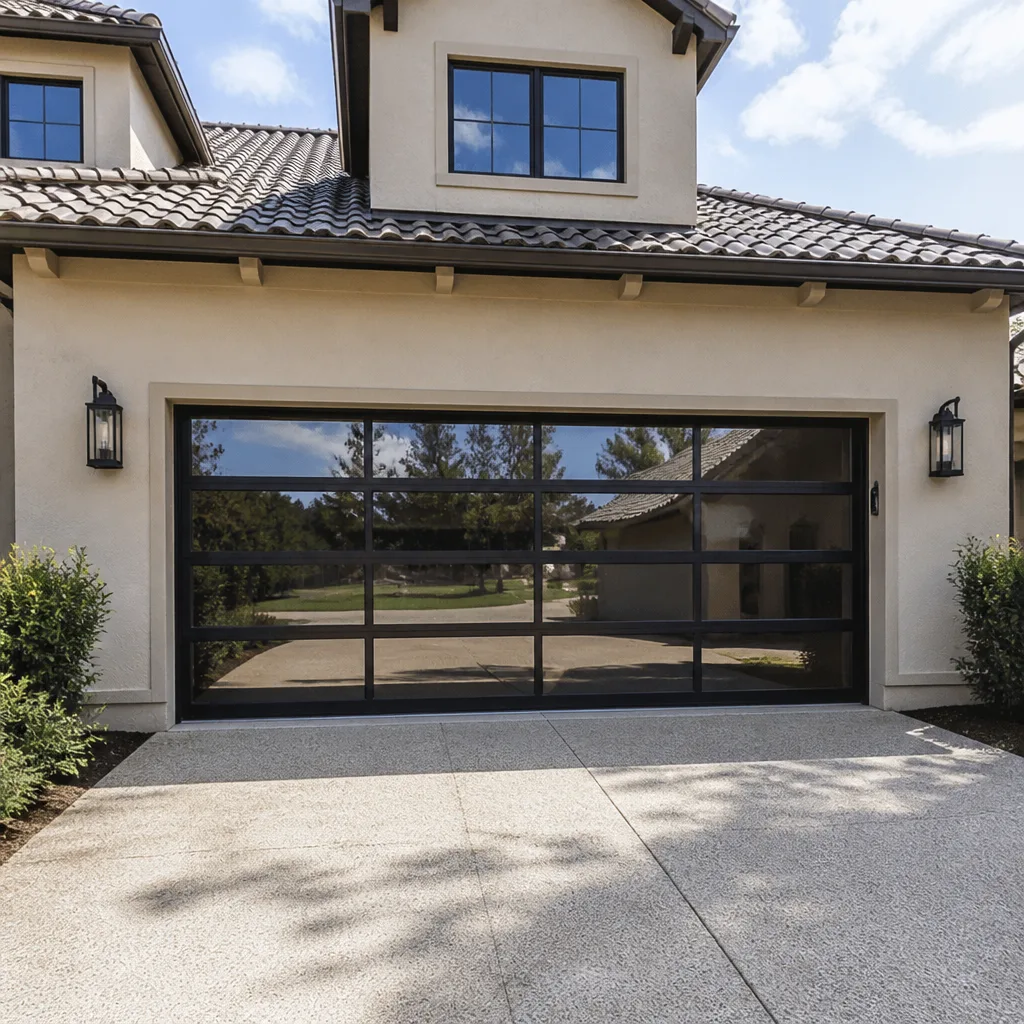 Full-view glass
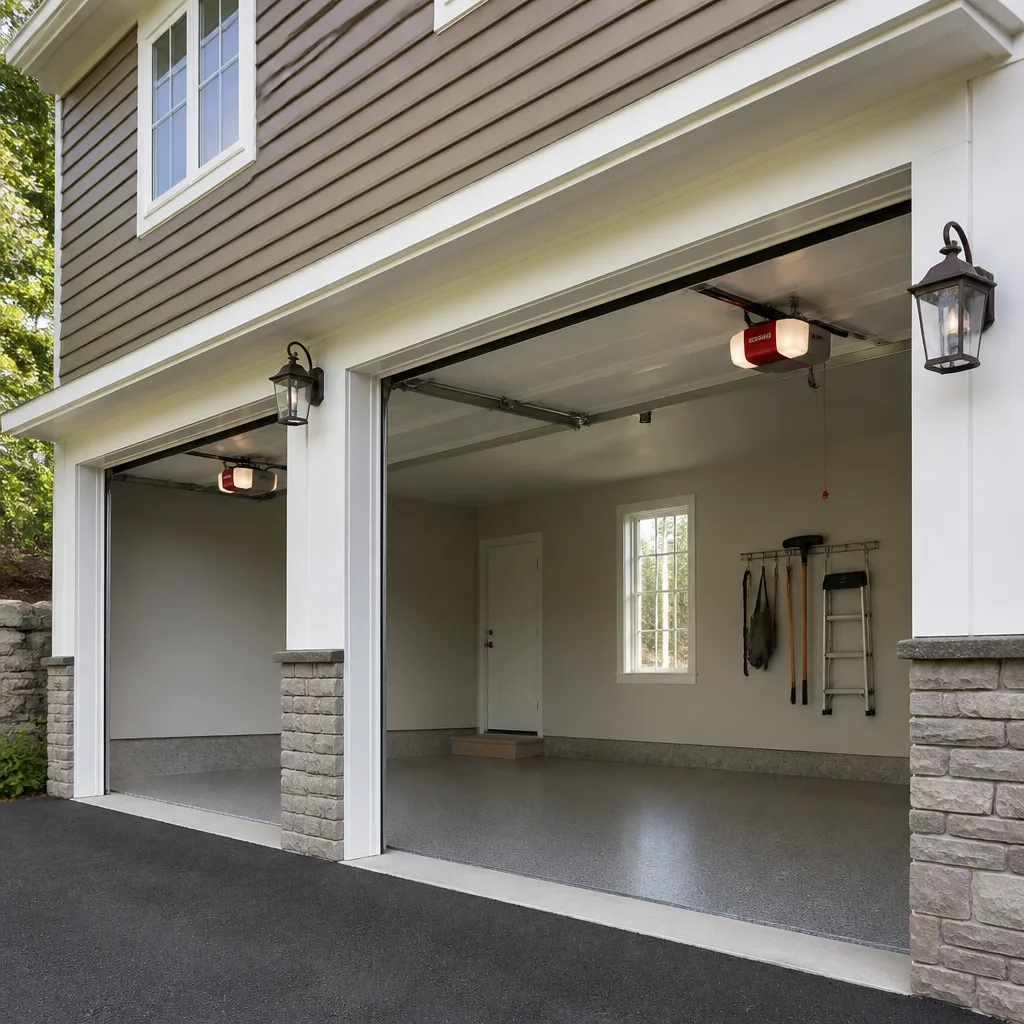 LiftMaster openers
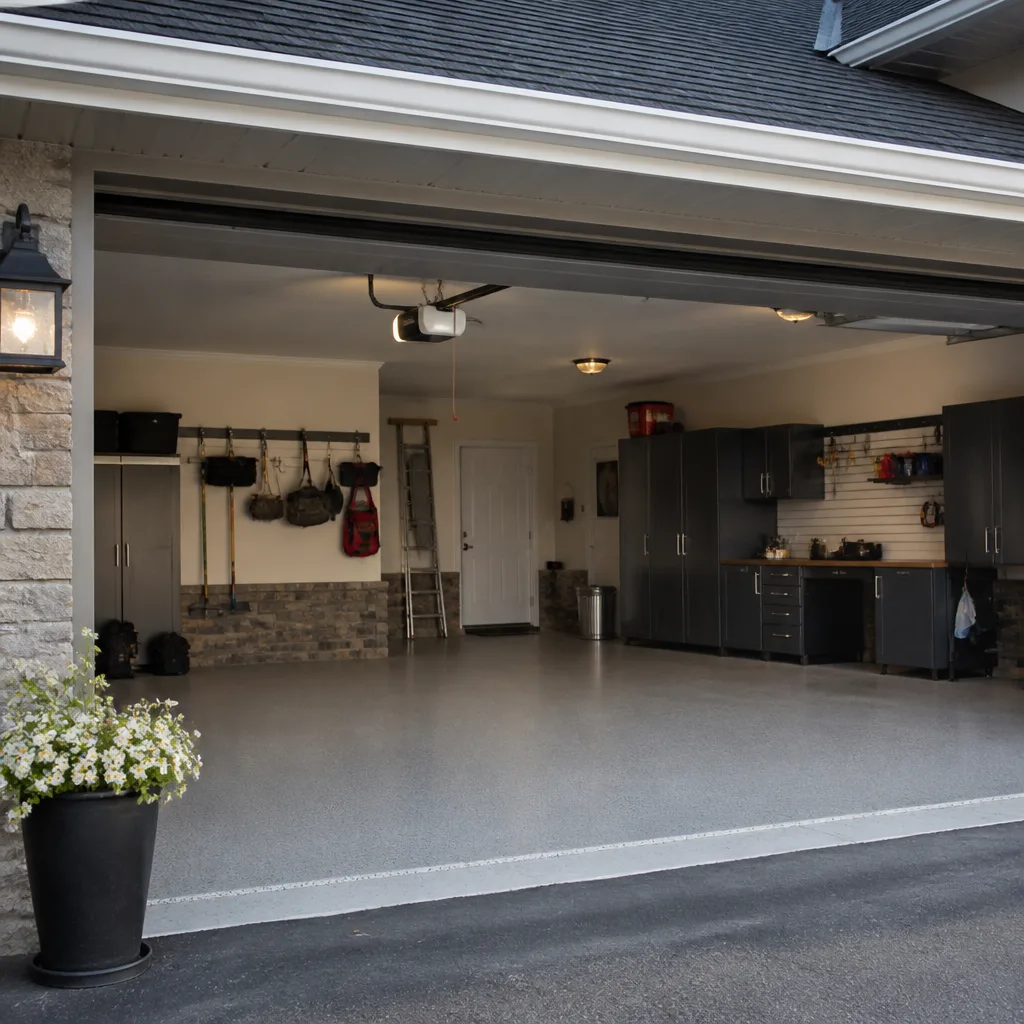 Chamberlain openers
Full 25-point door and opener safety check with every visit - springs, cables, rollers, tracks, and your LiftMaster or Chamberlain opener included
You get a price before we start. It does not change when the pro arrives.
Get your free estimateHow to Hire a Garage Door Contractor in Quincy: A Step-by-Step Guide
Most homeowner advice about hiring a contractor assumes you’re hiring a generalist. Garage doors don’t work that way. The system on your house is a spring-loaded, counterbalanced machine with a motorized operator, and the person who services it should have spent their working life on that machine specifically. A surprisingly large share of botched garage door installs in Massachusetts come from general contractors or handymen who added “garage doors” to their service list without the trade depth to back it up. This guide gives you a technician’s-eye view of what to verify before anyone touches your door in Quincy: the right licensing question, how to read an estimate line by line, brand authorization, why the cheapest bid usually hides a hardware swap, and what a real post-install walkthrough looks like.
Quick Answer
To hire a garage door contractor in Quincy, verify four things before you sign: that the contractor works on garage doors as a specialty rather than as one line on a general handyman list, that their estimate itemizes door, hardware, springs, tracks and opener separately, that they’re insured and can speak specifically about the brand you own, and that the written scope matches what you were told verbally. Price is a follow-on question, not the first one. Get two or three written estimates, compare line items rather than totals, and treat any bid that’s dramatically lower than the others as a hardware substitution until proven otherwise.
Styles & brands we work with
- Raised-panel steel
- Carriage house
- Modern flush
- Full-view glass
- LiftMaster openers
- Chamberlain openers
Table of Contents
- What credentials actually apply to garage door work in Massachusetts
- Questions to ask before you hire
- How to read a garage door estimate line by line
- Why brand authorization matters more than you’d think
- Why the lowest bid in Quincy almost always means cheaper hardware
- What a legitimate post-install walkthrough includes
- Red flags that should end the conversation
- How to decide between repair and full replacement
What credentials actually apply to garage door work in Massachusetts
Asking a garage door contractor for a “general contractor license” is the wrong question in Massachusetts. Massachusetts licenses home improvement contractors through the Office of Consumer Affairs and Business Regulation, and a Home Improvement Contractor (HIC) registration is the credential that covers residential work like a door replacement or a repair job on an occupied home. That registration is what you want to see, along with proof of insurance. A construction supervisor license applies to different categories of structural building work, and asking for one is a fair question, but it doesn’t map cleanly onto a garage door install. Both credentials matter less than whether the contractor actually works on doors every week.
Here’s what’s worth confirming in writing before work starts:
- HIC registration. Massachusetts requires registration for home improvement contracting. Ask for the registration number and confirm it independently with the state, not just on a business card.
- Liability insurance. Ask for a certificate of insurance naming the property address. A contractor with real coverage can produce it quickly.
- Workers’ compensation, if they have employees. A one-person operation isn’t required to carry it the same way a crew is, but a company with helpers should.
- Written contract and a stated price before work begins. This is the single most useful protection you have. Anything quoted verbally and not written down is a conversation, not an agreement.
Quincy has a mix of older triple-deckers converted to condos, mid-century single-families, and newer construction on the edges of the city, and the permit picture varies by what you’re changing. A straight swap of a like-for-like door in the same opening generally sits in a different category than cutting a new opening or changing the header over an existing one. Most cities require a permit for structural changes, so ask Quincy’s building department directly rather than taking a contractor’s word on it. If the contractor gets cagey about that question, that’s information.
Questions to ask before you hire
The right questions sort specialists from generalists in about ninety seconds. Here are the ones we’d want a homeowner to ask us:
- “How much of your work is garage doors?” A specialist says most or all of it. A generalist says “we do a bit of everything.” There’s no wrong answer for a small repair, but there is for an installation.
- “Which brands do you work on regularly?” LiftMaster, Chamberlain, Genie, Clopay, Amarr, Wayne Dalton, Craftsman and Raynor cover most of the residential market. Listen for whether the answer is specific or vague.
- “Who’s doing the install, and how long have they been doing garage doors?” Ask about technician experience, not the company’s. A subcontractor on a Friday is a different risk from a technician who’s been on doors for years.
- “How will you secure the door if part of the work has to be finished on a second visit?” A legitimate answer exists. A blank stare is a red flag.
- “Will you walk me through the door and the opener before you leave?” If they dismiss the question, expect a rushed handoff.
- “What’s excluded from this estimate?” Disposal, trim, painting, electrical work at the opener outlet, and any rotted framing around the opening are common exclusions. Get them named up front.
- “Who do I call if the door misbehaves a month from now?” The answer should be a phone number, not a shrug.
Ask these on the phone before you book a visit. A contractor who can’t answer them clearly isn’t a good fit for a door installation, regardless of the price. For a repair on a door that’s stuck open, we understand the urgency shifts the calculus, and our team handles urgent repair requests through garage door repair in Quincy with same-day appointments when the schedule allows. But the question set is the same.
How to read a garage door estimate line by line
A good estimate tells you exactly what you’re buying, part by part. A bad one says “install garage door: $X” and leaves everything else to interpretation. In our experience, the vague estimate is where the surprises hide, not necessarily in the total.
Here’s what a properly itemized garage door estimate in Quincy should show:
- Door model and size. Specific model number, not “steel door.” Clopay and Amarr both publish model numbers, and the estimate should match one.
- Springs, by type. Torsion or extension, and how many. A torsion spring price is per spring; a matched pair is replaced together and costs roughly twice a single. If the estimate doesn’t say, ask.
- Track, hinges, rollers and brackets. Itemized or bundled with a stated grade.
- Opener, if included. Brand and model. A “garage door opener” line is not enough, especially if you’re comparing a LiftMaster to an entry-level unit from another maker.
- Labor, separately or explicitly rolled into a single installed price. Both are acceptable. A number with no scope attached is not.
- Removal and disposal of the old door. Frequently excluded without telling you.
- Any framing, trim or electrical work the install requires, and who’s doing it.
Two or three estimates for the same job should be roughly comparable on scope. If one is dramatically lower, the difference is usually hardware, not efficiency. Read the spring count, the door model and the opener model side by side and see where the delta is. For reference, a walk-through of current cost ranges in the area lives in our Quincy garage door repair overview, which is worth reading before you compare bids.
Why brand authorization matters more than you’d think
A technician authorized by LiftMaster or Clopay has access to warranty parts and technical documentation that a generalist simply doesn’t. When a spring fails under warranty or an opener’s logic board needs replacement inside the warranty period, the difference between an authorized technician and a generalist is whether the warranty is honored without an argument. It’s not a status symbol. It’s a practical pipeline to parts and support.
This matters more than it used to because openers are more complex than they were a decade ago. LiftMaster’s MyQ-connected units, Chamberlain’s smart openers, and Genie’s Aladdin Connect systems all have app-level troubleshooting paths that require knowing the platform, not just the motor. A contractor who works mostly on older Craftsman units will be guessing at your Wi-Fi-connected opener. A specialist who works across the market’s dominant brands – LiftMaster, Chamberlain, Genie, Craftsman – will know what the app error actually means.
On the door side, brand fluency across both price tiers (Clopay and Amarr on the value end, Wayne Dalton and Raynor on the upper end) lets a contractor give honest installation guidance instead of pushing a single product line. If every estimate you get quotes the same manufacturer regardless of your budget, ask why. A specialist should be able to tell you the trade-offs between them, and when one is the right call for a Quincy home versus another. Our garage door opener repair page covers the opener-brand question in more depth if you’re troubleshooting a specific platform.
Why the lowest bid in Quincy almost always means cheaper hardware
The lowest bid in a competitive garage door market almost never reflects a more efficient contractor. It reflects a downgrade somewhere in the hardware: thinner-gauge steel, a lower-cycle spring, single-wall versus insulated construction, a smaller opener motor, plastic instead of steel hinges, or a smaller warranty. The install can look identical from the curb on day one.
Here’s how to spot the substitution before you sign:
- Compare door models, not just prices. If one bid names a Clopay model and another says “steel garage door,” you’re not comparing like to like.
- Ask about spring cycle rating. A standard-tension spring and a high-cycle spring cost different amounts and last different lengths of time. If the bid doesn’t name which, ask.
- Ask about door gauge. The steel thickness isn’t a number most homeowners know, but the contractor should be able to tell you what they’re installing and why.
- Check the opener motor. A LiftMaster or Genie model number on the bid means you can look up the specs. “Opener included” means you can’t.
- Ask about the warranty. Manufacturer warranties vary by product line, and the written scope should state what you’re getting. A suspiciously short warranty is usually a tell.
A low bid isn’t automatically wrong, but it always deserves one extra question: what changed? A specialist can name it. A generalist usually can’t.
What a legitimate post-install walkthrough includes
A walkthrough is not a five-minute wave from the driveway. It’s ten to fifteen minutes where the installer demonstrates that the door and the opener are doing what they should and that you know how to maintain them. Skipping the walkthrough is a sign of a contractor you don’t want to call back. Here’s what a proper handoff covers:
- Demonstrate the door through a full open-and-close cycle. Show the balance, listen for noise, and check the door stops flush with the ground.
- Test the safety reverse. Place an obstruction under the door and show you that it reverses. This is a safety test every door should pass on day one.
- Show the manual release. You should know how to disengage the opener in a power outage, and how to re-engage it afterward.
- Explain the opener controls. Remote pairing, keypad setup, and app setup if the unit is smart. If it isn’t set up before they leave, it’s a phone call for you.
- Review the maintenance schedule. Lubrication points, interval, and what to watch for. Doors in Massachusetts go through hard freeze-thaw cycles, and the seasonal swing stresses springs and rollers.
- Hand over documentation. Manufacturer warranty papers, model numbers, and the written scope of what was installed.
- Leave a real contact for follow-up. A phone number, not a business card with a scribbled note.
If any of those get skipped, ask about them before the installer leaves. A specialist will walk you through every step without being asked. If you’re in the middle of a job and questions come up after the fact, you can always call us at (844) 755-5234 – we answer 24/7.
Red flags that should end the conversation
Most bad hires are visible before anyone touches the door. The signals are small but consistent:
- No written estimate. A verbal price that never gets put on paper is the single biggest red flag. Ask for it in writing and watch how they react.
- A price that changes on arrival. The number on the phone should be the number on the estimate. If the assessment on-site reveals new information (a rotted frame, a broken track), the change should be explained and re-approved before work starts, not added silently to the invoice.
- Pressure to decide on the spot. A contractor who won’t leave you the estimate overnight won’t leave you much else either.
- No named brands on the estimate. A “steel door” with no manufacturer or model is a blank check.
- “We work on everything.” Multi-trade operators spread their attention across plumbing, HVAC, and electrical. Garage doors are a machine that benefits from specialization.
- No physical presence for the business, or no way to look up the registration. A specialist should be findable.
- Any offer to skip the paperwork to “save you money.” That usually means no permitting and no recourse if something goes wrong.
None of these individually is damning. Two or three together are a clear signal to keep looking. For more on navigating a door-specific problem when you’re not sure whether to repair or replace, our Quincy page outlines the local service picture, including neighborhoods like Wollaston, Quincy Center, and Squantum.
How to decide between repair and full replacement
The honest answer is that most Quincy doors can be repaired well past the point homeowners expect, and replacement usually makes sense for reasons other than failure. Here’s how to weigh the decision:
- Repair is usually the right call when the door panels are structurally sound, the opener is working, and a specific component (a spring, a roller, a hinge, a cable, a bracket) has failed. A single failed part is a repair, not a replacement.
- Replacement usually wins out when the door is visibly sagging, the panels have failed, the frame has rotted into the opening, or the cost of stacked repairs is approaching the cost of a new door. It also makes sense if you’re upgrading insulation for a garage used as a workshop or living extension.
- Springs and cables are not a homeowner job. High-tension torsion springs and the cables tensioned by them store enough energy to cause serious injury. If your door isn’t working and the spring or cable looks involved, stop operating the door and call a trained technician.
- Openers are usually repairable. A failing opener is more often a logic board, a safety sensor, a gear, or a remote pairing issue than a dead motor. Opener-specific repair is often much less than replacement.
If the door or opener is dangerous, don’t touch it. Call a trained professional. Our Quincy Garage Door Service overview is the best starting point if you want to understand the scope of what a specialist covers before you call.
Common Mistakes to Avoid
- Asking for the wrong license. Asking for a “general contractor license” in Massachusetts sends the conversation sideways. Ask for HIC registration and proof of insurance, and verify both.
- Comparing totals instead of line items. Two estimates for a door replacement can be thousands apart for reasons that have nothing to do with quality. Read the door model, spring count and opener model side by side.
- Accepting “opener included” without a model number. The opener is the single most substituted component in a low bid. Insist on the brand and model, and check that it’s the one you discussed.
- Skipping the walkthrough to save time. The ten minutes you skip at handoff are the ten minutes you don’t know how to use the door you paid for. Stay for the demonstration.
- Calling a handyman for a spring or cable. These are high-tension components. The difference in cost between a specialist and a generalist isn’t worth the difference in risk.
- Assuming the estimate is the invoice. Most complaints start with an estimate that was missing items (disposal, trim, framing) that then showed up at billing. Ask about exclusions before work begins.
- Not asking which Quincy neighborhoods they work in. A crew that has to drive through the Southeast Expressway every morning is a crew that shows up late. A local specialist shouldn’t need to be told that.
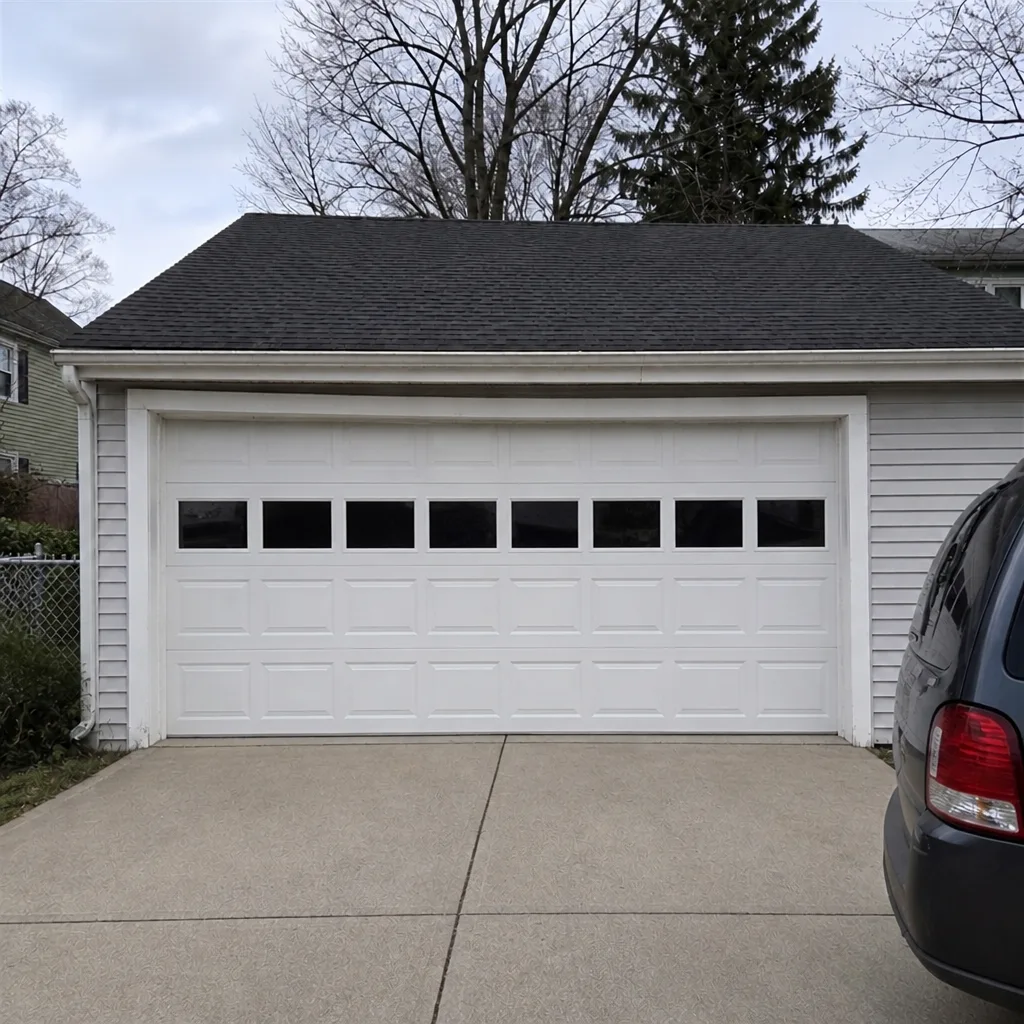
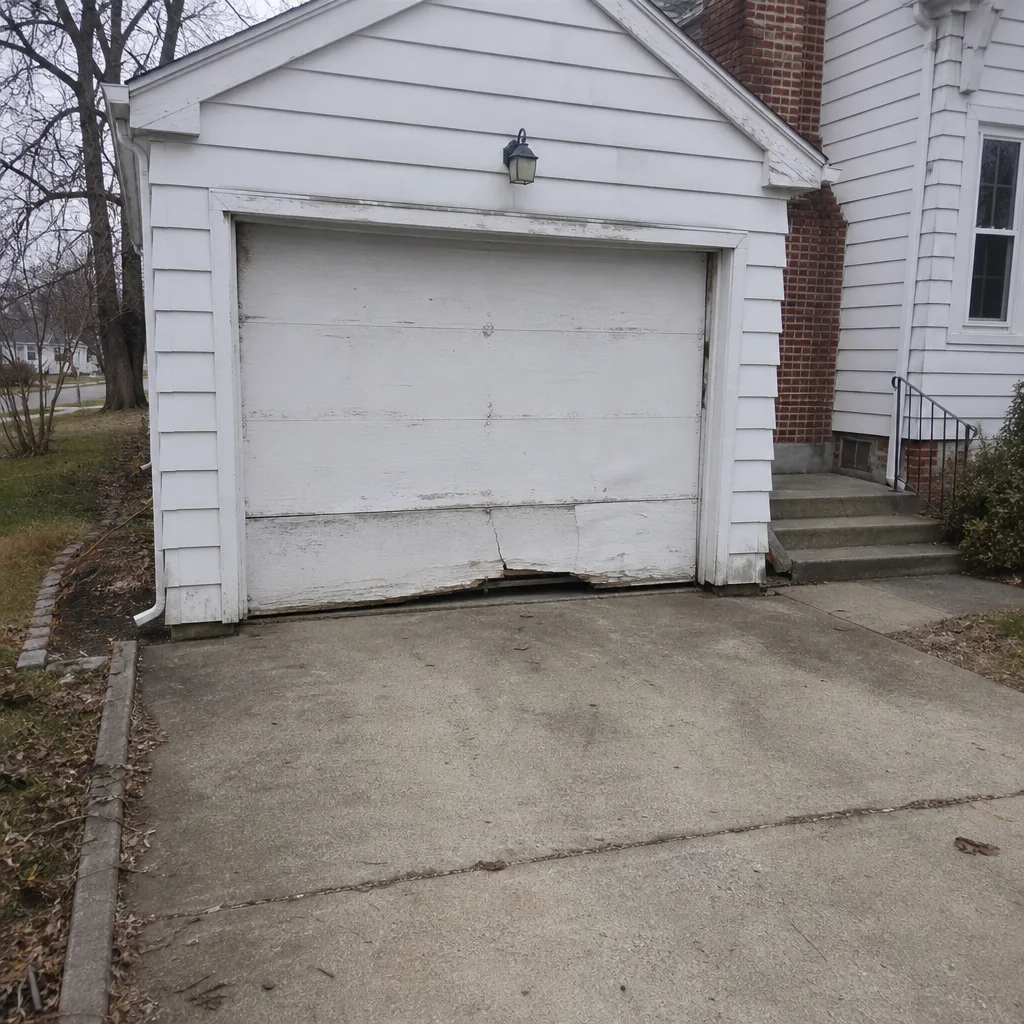
See the difference
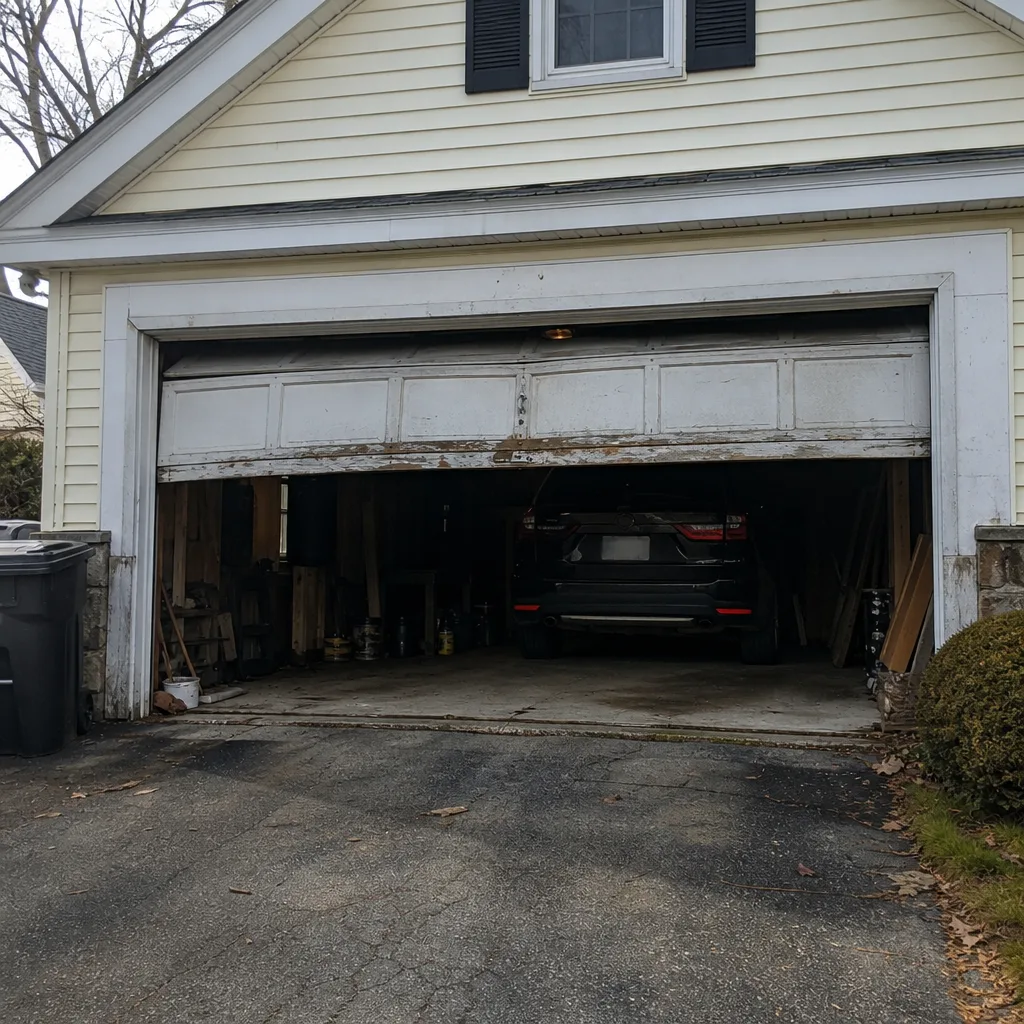 Before
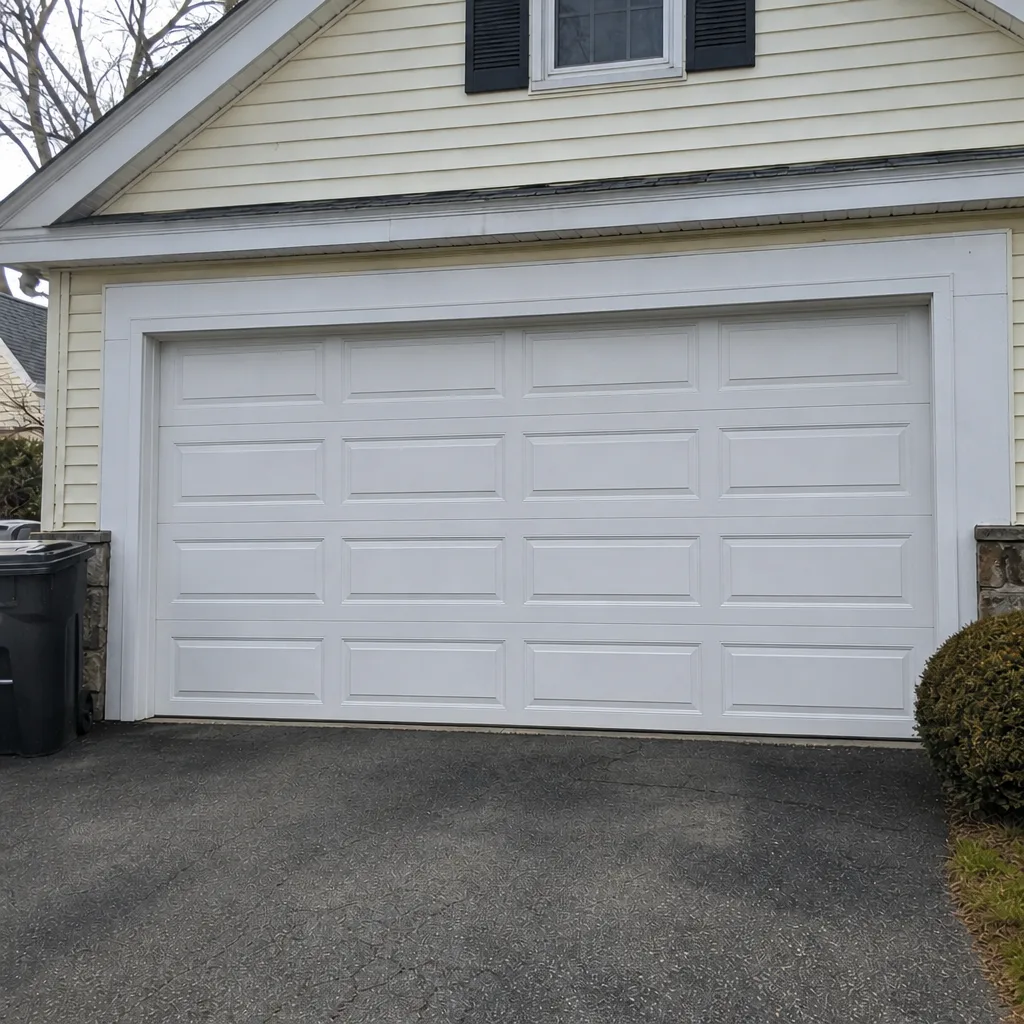 After
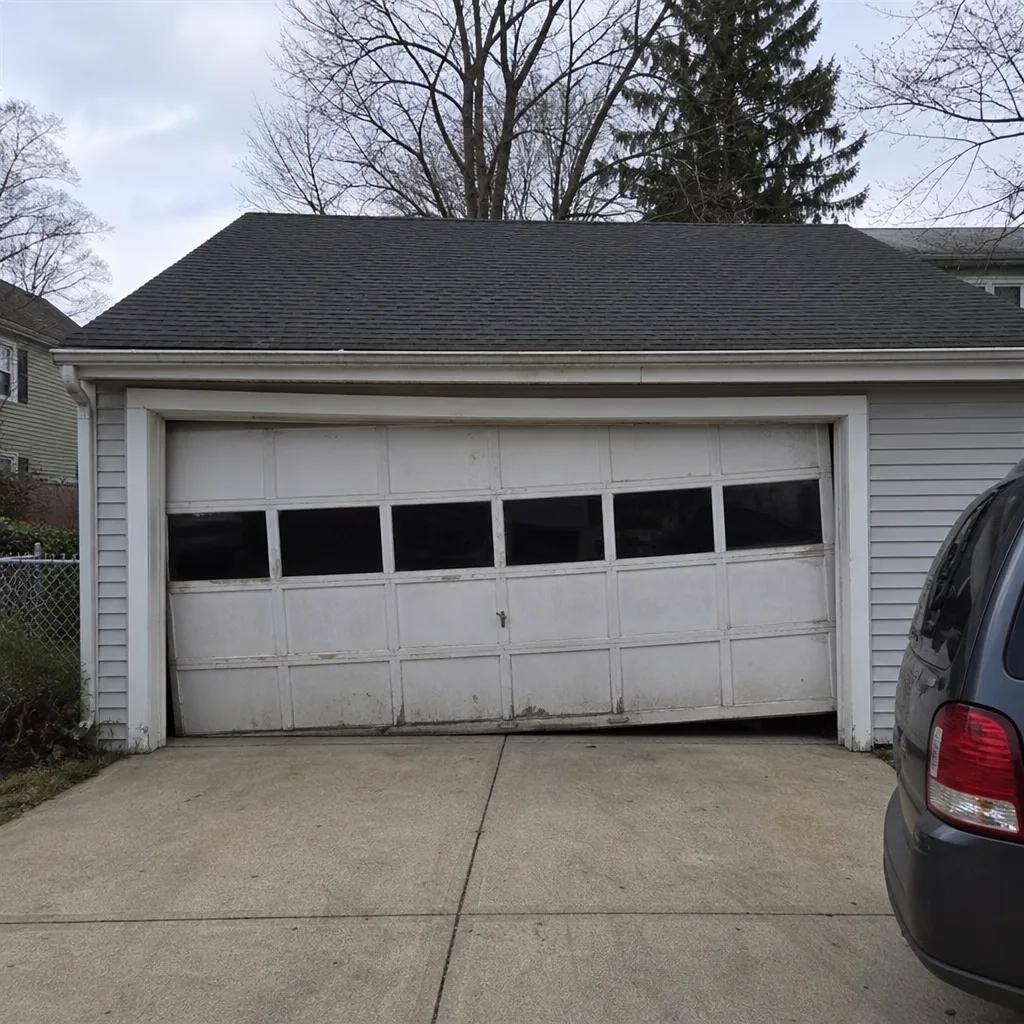 Before
 After
 Before
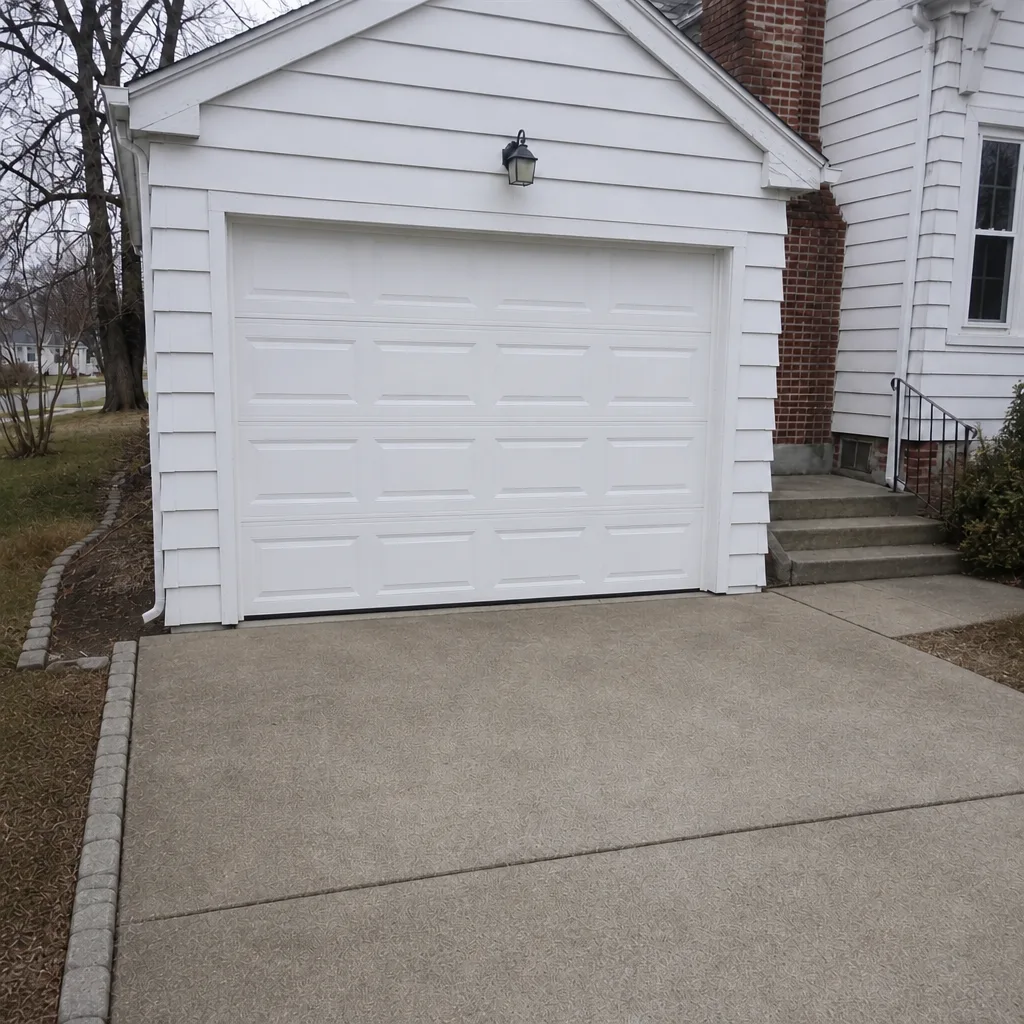 After
When to Call a Professional
Some garage door problems need a professional on the first call, not the second. If a spring has snapped, a cable has come off the drum, a door has come off the track, or the door is only opening partway and then reversing, stop operating it and call a trained technician. High-tension springs and cables are not a homeowner fix, and neither is a panel replacement on an insulated door if the frame has been stressed. Torsion spring failures on a door that’s been in service for years are common in Massachusetts, especially after a cold snap, and the door should not be used until it’s repaired. If an opener is the problem (a remote that won’t pair, a safety sensor that keeps reversing the door, a motor that hums but doesn’t lift), that’s a repair call too, and often a fast one. Quincy Garage Door Service offers free estimates in Quincy – call (844) 755-5234.
Frequently Asked Questions
Ask how much of their work is garage doors, which brands they handle regularly, who’s doing the install and how long that technician has worked on doors, what’s excluded from the estimate, and what the post-install walkthrough will cover. Get the estimate in writing with door and opener model numbers named. If they can’t answer those clearly, keep looking. Call (844) 755-5234 for a free estimate if you want to compare scope with a specialist.
Typical garage door repairs in Quincy run $180 to $340 for a single torsion spring replacement, with matched pairs costing roughly twice that because both springs are replaced together. Roller, hinge and track repairs generally fall in a lower range, and opener repairs vary by platform and part. The written estimate sets the final price, and it’s agreed before any work starts. Call (844) 755-5234 for an exact quote – estimates are free.
Massachusetts requires Home Improvement Contractor (HIC) registration for residential work like a door replacement or repair, along with liability insurance. Construction supervisor licensing covers different categories of structural work, but doesn’t map cleanly to a standard door install. Ask for the HIC registration number and verify it with the state, and ask for a certificate of insurance. For structural changes to the opening, ask Quincy’s building department directly about permitting.
Repairs and installations are quoted before work begins, and the price is agreed before any tool comes out. If the on-site assessment reveals something the phone conversation couldn’t (a rotted frame, a bent track, wiring that needs an electrician), the change is explained and re-approved with you before any additional work starts. Nothing gets added silently to the invoice. Call (844) 755-5234 for an exact quote – estimates are free.
Yes. Our technicians are experienced, and our work is covered. We can provide the registration and insurance documentation you need when you request an estimate, and we’re happy to answer licensing questions directly. Our technicians have up to 15 years of experience on garage doors specifically. Call (844) 755-5234 to ask about a specific job.
Yes. A single failed component (a spring, a roller, a hinge) is almost always a repair, while a sagging door, failed panels or a rotted frame usually points toward replacement. We’ll give you an honest read on both paths and the cost of each before you commit to anything. This is what a specialist does every week. Call (844) 755-5234 and we’ll walk through the decision with you.
For repair calls, yes, when the schedule allows – same-day appointments are often available. We answer 24/7 and dispatch from 7am to 7pm, Sunday through Friday. Installation and replacement work is measured and scheduled, not same-day. Call (844) 755-5234 and we’ll give you the soonest available time.
The Bottom Line
Hiring a garage door contractor in Quincy comes down to four things: specialty (garage doors, not everything), credentials (HIC registration and insurance), scope (an itemized estimate naming door and opener models), and handoff (a real walkthrough you attend). Compare line items, not totals. Treat a dramatic low bid as a hardware question until proven otherwise. And never let anyone near a torsion spring or cable who isn’t a trained garage door technician – those components store enough energy to do real damage. Get two or three written estimates, ask the questions this guide gives you, and let the answers sort the specialists from the rest.
Call (844) 755-5234 for a free estimate. We’re the team at Quincy Garage Door Service, and garage doors are all we do. We answer 24/7. Fast dispatch from 7am to 7pm, Sunday through Friday.
Written by the team at Quincy Garage Door Service.