
Last updated November 16, 2026
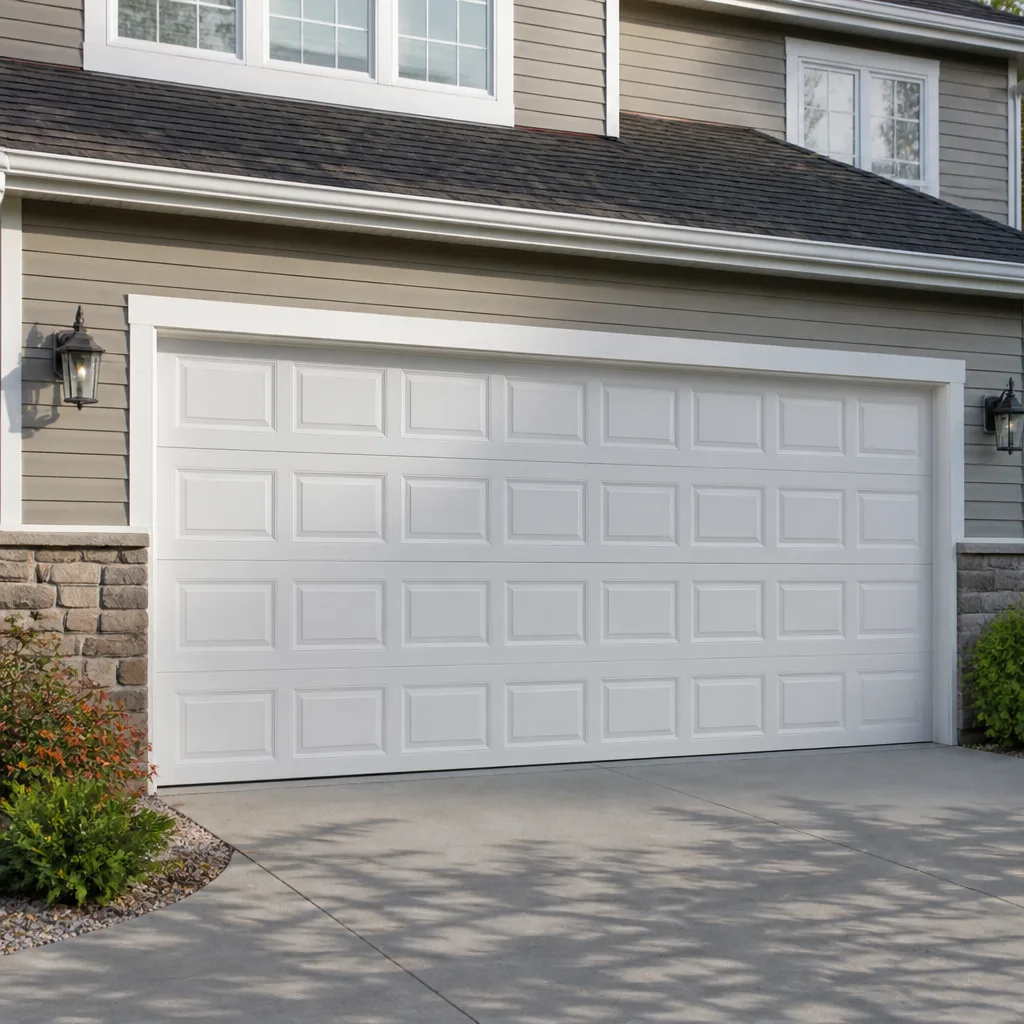 Raised-panel steel
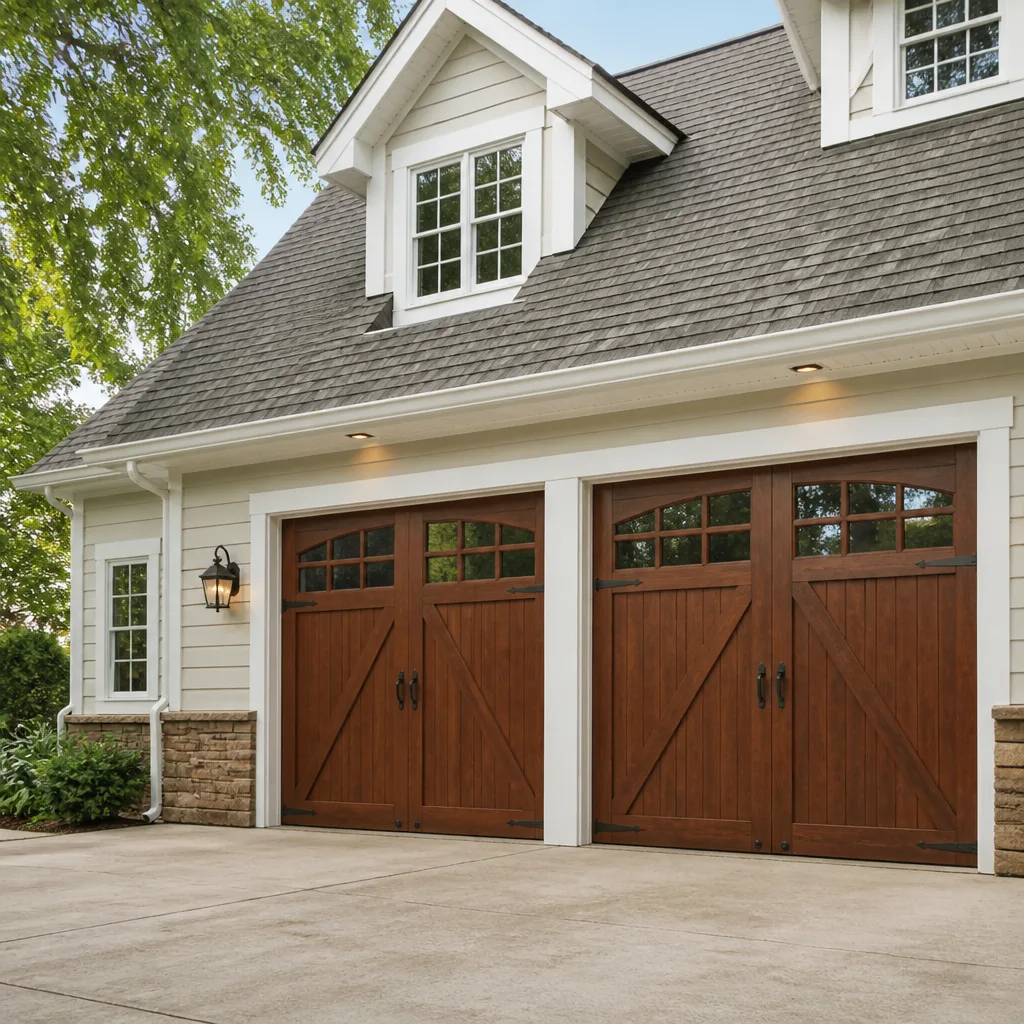 Carriage house
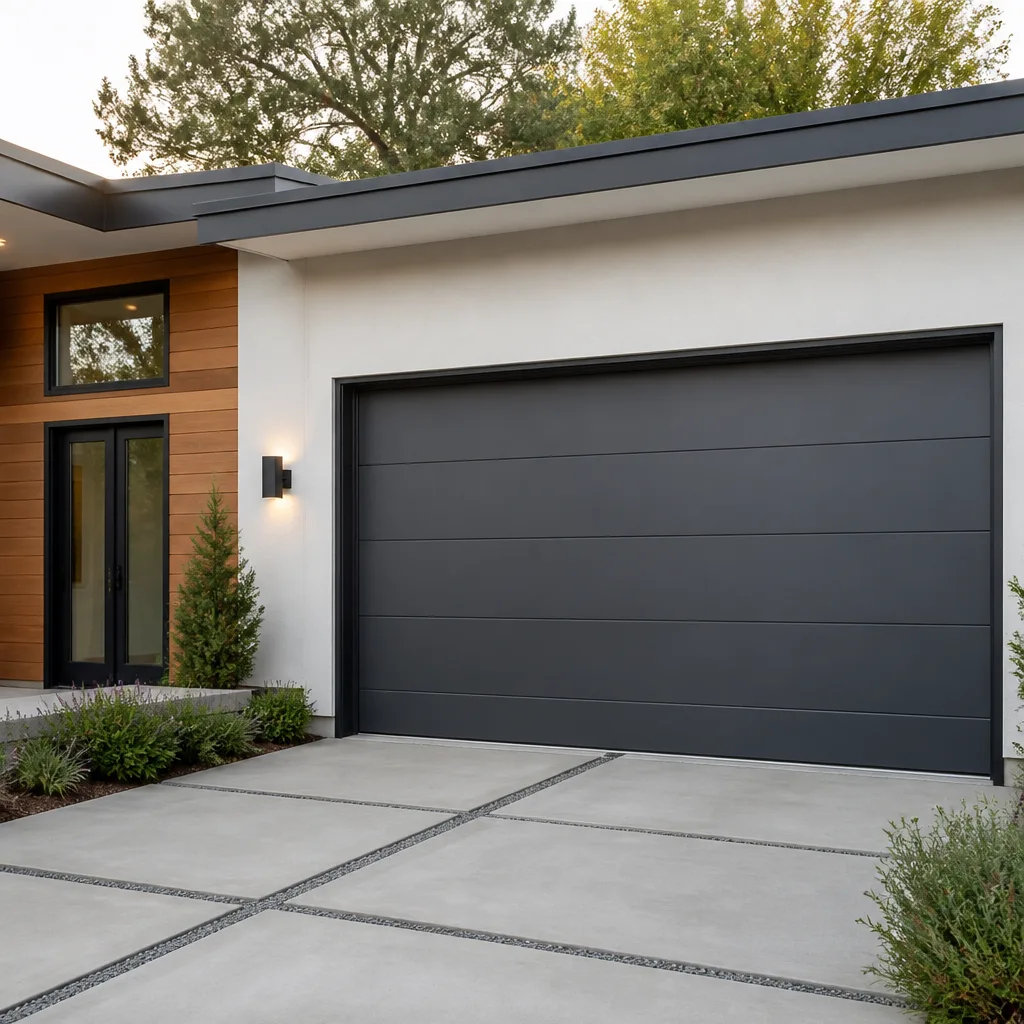 Modern flush
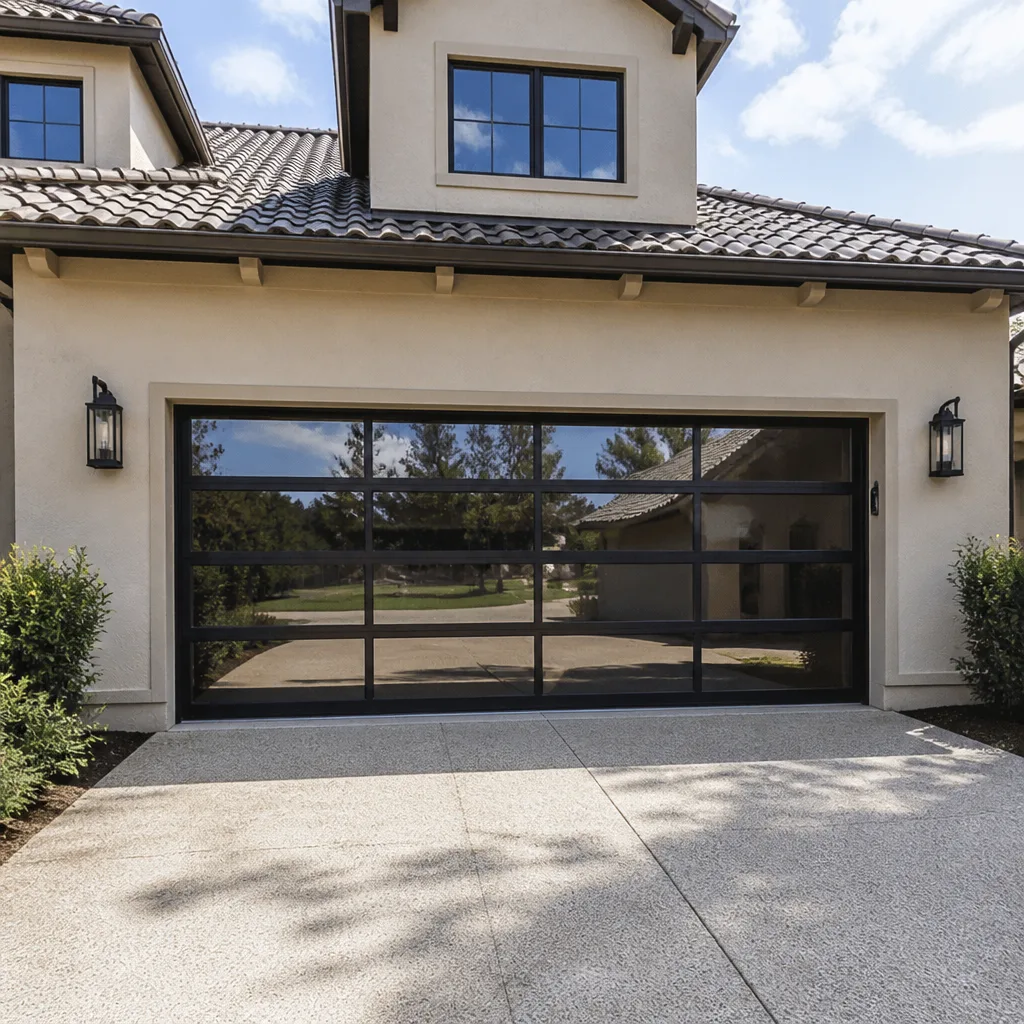 Full-view glass
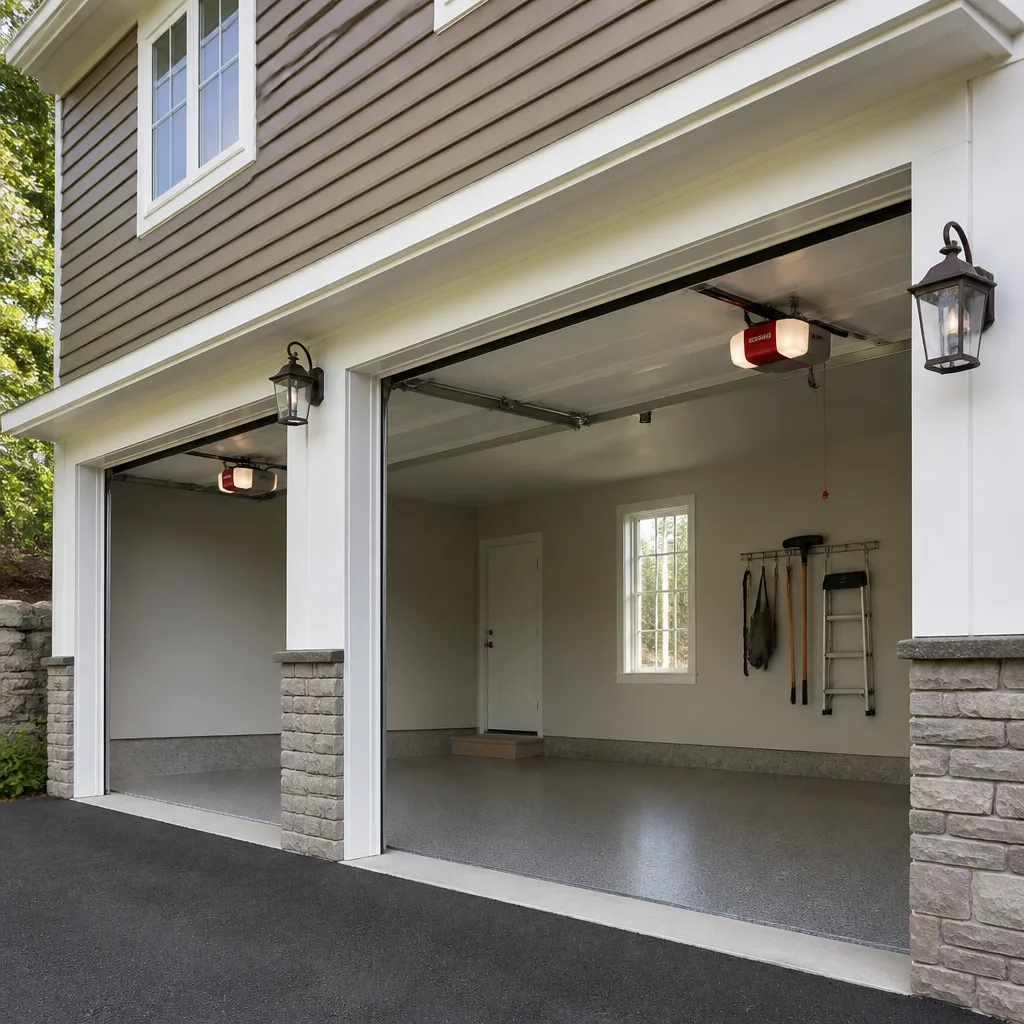 LiftMaster openers
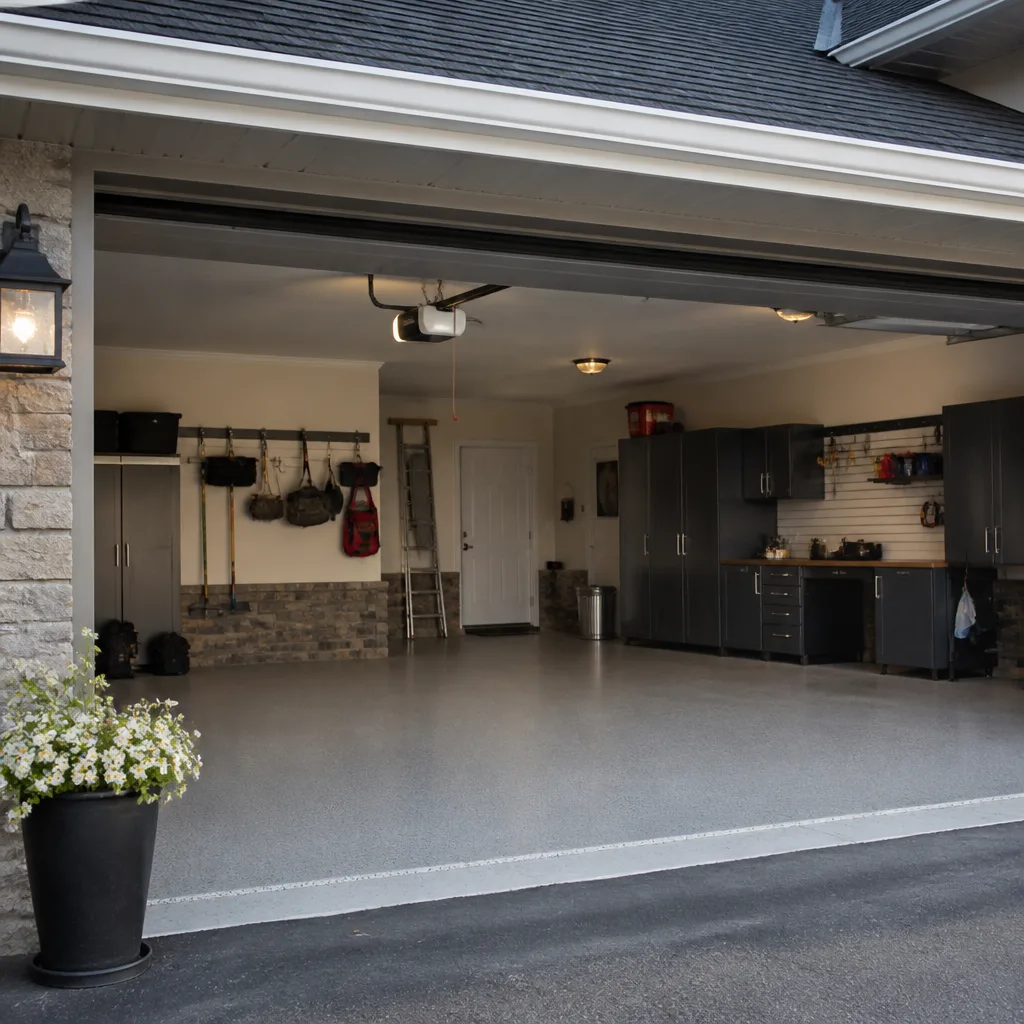 Chamberlain openers
Full 25-point door and opener safety check with every visit - springs, cables, rollers, tracks, and your LiftMaster or Chamberlain opener included
You get a price before we start. It does not change when the pro arrives.
Get your free estimateGarage Door Repair Troubleshooting in Quincy: Common Problems and How to Fix Them
A garage door that “just stopped working” is rarely a mystery. It’s almost always one of five things, and four of them announce themselves with a specific sound or movement pattern before they fully fail. The homeowner who hears a pop, a grind, or a scrape and knows what it maps to saves a lot of time and money, because the symptom tells you whether you’re looking at a loose sensor bracket and a screwdriver, or a spring under tension that needs a technician before anyone gets hurt. In this guide, we’ll walk through the five mechanical categories that cause nearly every failure, show you how to map what you’re hearing to the part that’s failing, and draw the line between fixes you can safely handle and repairs that belong to a professional. If your door needs hands-on help, our garage door repair team works across Quincy every day and knows these symptoms cold.
Quick Answer
Most garage door failures fall into five categories: springs and cables, rollers and tracks, openers and safety sensors, panel and structural damage, and weather sealing. Safety sensors and limit switches are usually safe for a homeowner to check and adjust; torsion springs, extension springs, and any cable under tension are not, and require a trained technician. Mapping the specific sound or movement to its category tells you immediately which kind of problem you have.
Styles & brands we work with
- Raised-panel steel
- Carriage house
- Modern flush
- Full-view glass
- LiftMaster openers
- Chamberlain openers
Table of Contents
- The Five Failure Categories
- Symptom-to-Cause Map: What Each Sound Tells You
- Why Your Door Reverses Immediately (And the One Case It Isn’t a Sensor)
- The Safety Line: What You Can Fix vs. What Needs a Technician
- How Quincy’s Humidity Attacks Specific Failure Points
- The Diagnostic Order of Operations
- The Opener Trap: Why You Shouldn’t Replace the Motor First
- Common Mistakes to Avoid
The Five Failure Categories
Before you touch anything, it helps to place your problem in one of five buckets. Every garage door system, whether it’s a Clopay sectional or a Wayne Dalton with a Genie opener, runs on the same basic architecture: a counterbalance system (springs and cables), a travel system (rollers and tracks), a power system (opener and sensors), a barrier system (panels), and a sealing system (weatherstrip and bottom seal). When something goes wrong, it’s almost always one of those five.
Here’s the breakdown that matters most to a homeowner wondering who to call and how soon:
- Springs and cables. Technician territory. High tension, real injury risk. This is the category that causes the most serious accidents when homeowners try to tackle it themselves.
- Rollers and tracks. Inspectable and partly fixable. Rollers can be replaced, tracks can be wiped clean, but bent tracks usually need professional adjustment.
- Openers and safety sensors. The most homeowner-accessible category. Sensor alignment, remote pairing, and limit-switch adjustment are usually doable.
- Panels and structure. Cosmetic to serious depending on damage. Dented panels are affordable to replace; a sagging or misaligned door signals a structural problem that needs eyes on it.
- Weather sealing. Low-risk, high-impact. Bottom seals, side weatherstrip, and top seals are the fastest DIY wins, especially in a humid climate.
Sort your symptom into one of these five and you already know whether you’re in a screwdriver job or a technician job. That’s the entire point of troubleshooting – not diving in and hoping, but quickly placing the problem in the right category.
Symptom-to-Cause Map: What Each Sound Tells You
The door is a mechanical system, and mechanical systems announce their failures. Listen before you look. The specific sound a door makes narrows the cause faster than any visual inspection, because the part that fails is usually the part making the noise.
Here’s the map we use in the field:
- Grinding, from the opener head or the wall. Almost always worn gears. If you have a LiftMaster or Chamberlain opener and you’re hearing a metal-on-metal grind that wasn’t there a week ago, the plastic or metal gears in the drive are shot. DIY-safe to diagnose, technician-required to repair.
- A sharp pop or bang, then the door hanging. A broken torsion spring or a snapped extension spring. This is not a “wait and see” symptom. Do not run the opener again. Do not try to raise the door by hand. Call a technician – this one is in the unsafe category every time.
- Scraping along the floor or the sides. Bottom seal curl or a bent track edge touching the door. Often seal rot, occasionally a debris strike. Cheap to fix, worth addressing before it wears the panels.
- A rhythmic squeak or high-pitched squeal while the door travels. Dry rollers or bearings. This is the single most common complaint and the easiest to prevent, with lubricant on the correct parts.
- A rattle or shudder at the start of travel. Loose hinges, loose bolts, or a roller that’s come partly out of its track. Usually a tightening job, but worth a full inspection.
- A click, then nothing, when you hit the button. Electrical or opener logic – not mechanical. Check the wall outlet, the safety sensors, and the wall station before anything else. Sometimes the opener itself is fine and the problem is a sensor out of alignment or a dead remote battery.
The pattern is consistent enough that we map new Quincy calls by sound before we ever see the door. If you hear grinding or popping, note exactly where it came from. That single detail tells the technician which job to bring tools for.
Why Your Door Reverses Immediately (And the One Case It Isn’t a Sensor)
A door that goes down, touches or approaches the floor, then reverses right back up is a sensor problem roughly 80 percent of the time. The safety sensors at the bottom of each track exist to stop the door if something – a person, a pet, a bike tire – is in the path. When they’re misaligned, dirty, or have a dead LED on one side, the opener reads that as an obstruction and reverses.
Here’s the fastest, safest check, in order:
- Look at the two sensor LEDs. Both should be lit steadily, usually green or amber depending on the brand. If one is dark or flickering, that’s your problem.
- Wipe the lenses. Dust, cobwebs, and insect nests are common culprits, and it costs nothing to clean them.
- Confirm alignment. The two sensors should point at each other across the opening. A bumped bracket or a loose screw moves them out of line, and the door will reverse even if both LEDs are lit.
- Check for obstructions you didn’t see. A small toy under the door, a curled bottom seal, or a leaf caught in the sensor beam will all create the same symptom.
The one case where immediate reversing is not a sensor problem: the door travels a foot or two and then goes back up, with both sensors clearly lit and clean. That’s almost always a faulty limit switch or a travel limit out of adjustment inside the opener head. The opener thinks it has hit the floor when it hasn’t. It’s a fixable, non-emergency repair, but it’s an opener-logic job, not a sensor job, so the tools and technique are different. Our garage door opener repair team sees this one constantly on older LiftMaster and Craftsman units, where the travel limits drift over years of temperature swings.
The Safety Line: What You Can Fix vs. What Needs a Technician
Most garage door repair advice you’ll read online either tells you to call a pro for everything or hands you a wrench and wishes you luck. Both are wrong. There’s a real, practical line between jobs a careful homeowner can do with a screwdriver and a can of lubricant, and jobs where a single wrong move can put you in the hospital.
Safe for a homeowner:
- Cleaning and aligning safety sensors.
- Replacing remote batteries and re-pairing remotes (including Chamberlain MyQ and Genie Aladdin Connect app setups).
- Lubricating rollers, hinges, and the tracks with an appropriate garage door lubricant.
- Replacing a rotted bottom seal or side weatherstrip, if you’re comfortable on a step ladder.
- Adjusting the opener’s travel limit switches by the manufacturer’s printed instructions.
- Tightening loose bolts and hinges with a socket wrench.
Technician-required, no exceptions:
- Any work on torsion springs – the horizontal spring above the door. This part stores enough energy to cause serious injury, and DIY spring repair is the single most dangerous thing a homeowner can attempt on a garage door.
- Any work on cables under tension. A cable that snaps free can whip with lethal force.
- Replacing extension springs if you’re not trained on the safety containment cables that are supposed to prevent a broken spring from flying.
- Track replacement or realignment where the track has bent away from vertical.
- Replacing a torsion tube, bearing plate, or drum.
The rule of thumb: if the repair involves a part that’s holding the door’s full weight up, it’s a technician job. If it involves a part that’s helping the door travel or seal, it’s likely in your wheelhouse. We’ve seen homeowners save real money by doing the safe half and calling us for the rest. That’s the pattern we’d recommend to any Quincy homeowner reading this guide.
How Quincy’s Humidity Attacks Specific Failure Points
Quincy is not the driest place in Massachusetts, and that absolutely shapes how garage door systems fail here. The predictable pattern we see on Quincy doors is different in specific ways from doors on the drier, more inland side of the state. If you’re used to how a garage door fails in, say, Springfield or Worcester, some of what you see here will be a different list.
Bottom seal rot comes fast, and it comes quietly. The rubber or vinyl bottom seal runs along the floor line and holds water against the door’s bottom edge. In a humid summer, the underside of that seal stays damp for longer than most people realize, and the seal cracks and curls well before the door itself shows problems. Once it curls, it also breaks the sensor beam intermittently – which reads as a “random reversing” problem you can’t reproduce.
Track rust and roller drag. Steel tracks along the sides of the door, plus the steel or nylon rollers that run inside them, are exposed to seasonal moisture, and the horizontal overhead tracks especially accumulate condensation during humid stretches. Rusty tracks create grinding drag that wears the rollers faster, which is why “my door suddenly sounds like it’s straining” is such a common summer complaint here.
Hinge and hardware corrosion. The hinges and bolts along the door’s seams are small parts that take a beating. In higher humidity, they’re the first pieces to show corrosion, and a rusty hinge changes the door’s travel enough to create the small rattles and shudders that eventually loosen the hardware further.
The practical takeaway for a Quincy homeowner: your preventative maintenance priorities here are the seal and the rollers. Keep the bottom seal dry and intact, lubricate the rollers and hinges on a schedule, and wipe down the horizontal tracks more often than an inland homeowner would think necessary. Small habits, but they extend the life of the door.
The Diagnostic Order of Operations
The most expensive mistake in garage door troubleshooting is replacing the wrong part first. We’ve seen plenty of openers get swapped when the real problem was a broken spring, and plenty of springs get blamed when the actual issue was a worn gear in the opener. Get the order right and the diagnosis gets much simpler.
Here’s the order we use, and the same order you should use as a homeowner:
- Is the door balanced? Disconnect the opener (pull the manual release handle) and lift the door halfway by hand. If it stays put, the springs are working. If it drops or takes real effort to lift, the springs are weak or broken, and everything else is a secondary problem.
- Does the door travel evenly? With the opener disconnected, roll the door up and down by hand. Grinding, catching, or a wobble means the track or roller system needs attention before you look at the opener.
- Does the door seal on the ground? Check the full width of the bottom seal. Any gap, curl, or rot is a candidate for the actual source of a sensor problem.
- Does the safety sensor work? With the opener reconnected, run the door down and pass something small and solid through the beam. The door should reverse. If it doesn’t, the sensor system isn’t working and the opener needs to be checked there first.
- Does the opener travel to the right limit points? If the door travels too far or stops short, the limit switch needs adjustment.
- Is the opener itself healthy? Only after all five of the above check out should you begin to suspect the opener. At that point, a diagnostic on the motor and logic board makes sense.
Following this order is the difference between a repair that fixes the actual problem and a repair that replaces one part, then another, then another, while the real cause sits there waiting. If a technician ever diagnoses your door as “needs a new opener” without checking the balance first, that’s a red flag, and it’s worth a second opinion.
The Opener Trap: Why You Shouldn’t Replace the Motor First
If the door won’t open, the instinct is to blame the opener. It’s the part with the button attached, the part that “stops working,” and the part you know the name of. In practice, the opener is rarely the first failure. It’s usually the last domino in a chain that started somewhere else.
Here’s the pattern. A spring slowly weakens over years, and the opener compensates – it’s designed to do this for a while. Then a roller seizes or a track gets bent, and the opener strains harder. Finally the opener’s gears fail, the door stops moving, and the homeowner sees the opener fail and assumes the opener was the problem. It wasn’t. The broken part is the opener, but the cause was upstream. Replacing that opener and leaving the springs and rollers untouched is the fastest way to destroy a brand-new opener.
This is why brand-specific diagnostics matter so much. A LiftMaster or Chamberlain unit has a specific force-sensitivity adjustment and a specific travel-limit system that our technicians know; a Genie or Craftsman unit has a different one. Knowing how the specific opener is supposed to behave is the only way to tell whether the opener is a symptom or the cause.
We’re factory-familiar with the major opener brands – LiftMaster, Chamberlain, Genie, and Craftsman – along with the door-side manufacturers who set the weight profiles the openers are sized against, like Amarr, Wayne Dalton, and Raynor. When we arrive at a Quincy door that “needs a new opener,” we check the springs and rollers first. Every time. That one habit is why a proper repair gets the door working right the first time, rather than twice.
Common Mistakes to Avoid
- Trying to adjust or replace a torsion spring yourself. This is the most dangerous DIY mistake on a garage door, and the reason spring work is a technician-only job in this guide. The stored energy in a wound spring is not something to test with hand tools, in any climate or with any tutorial.
- Spraying WD-40 into the tracks or the springs. WD-40 attracts dust and grime and will eventually make rollers grind worse, not better. Use a proper garage door lubricant on rollers and hinges, and never put anything on the springs themselves.
- Assuming a reversing door needs a new opener. Reversing is a sensor or limit-switch symptom nearly all of the time. Replacing the opener when the sensors are misaligned is throwing money at the wrong part.
- Ignoring a small bottom seal problem through a humid summer. In Quincy, a curled bottom seal that gets ignored will keep holding moisture against the door’s bottom edge, and it will also keep tripping the safety sensor. Fix the seal early and you avoid both.
- Bypassing or removing a safety sensor to “make the door work.” Never do this. The sensors exist to stop the door on a person or pet, and a bypassed sensor is a serious safety problem in any household with children or animals.
- Running the opener repeatedly to “see if it will catch.” If you’ve heard a pop or bang, running the opener is what turns a $100 repair into a much larger one, because the door’s full weight is now hanging on the opener’s gear train. Stop pressing the button.
- Hiring a general handyman for spring, cable, or opener work. A handyman who “also does garage doors” is not the same as a specialist who works on spring systems, cables, and openers daily. On a garage door, the difference is skill and training, and it’s also safety.
See the difference
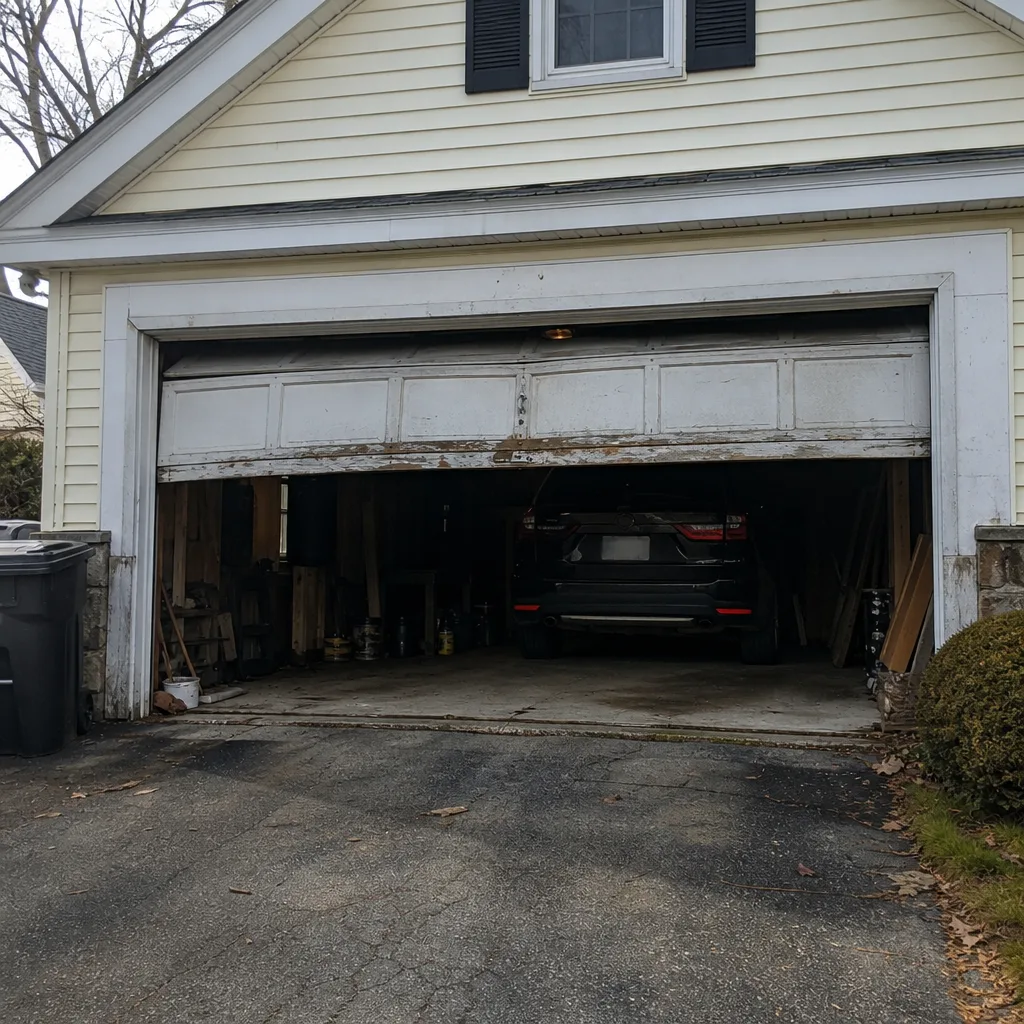 Before
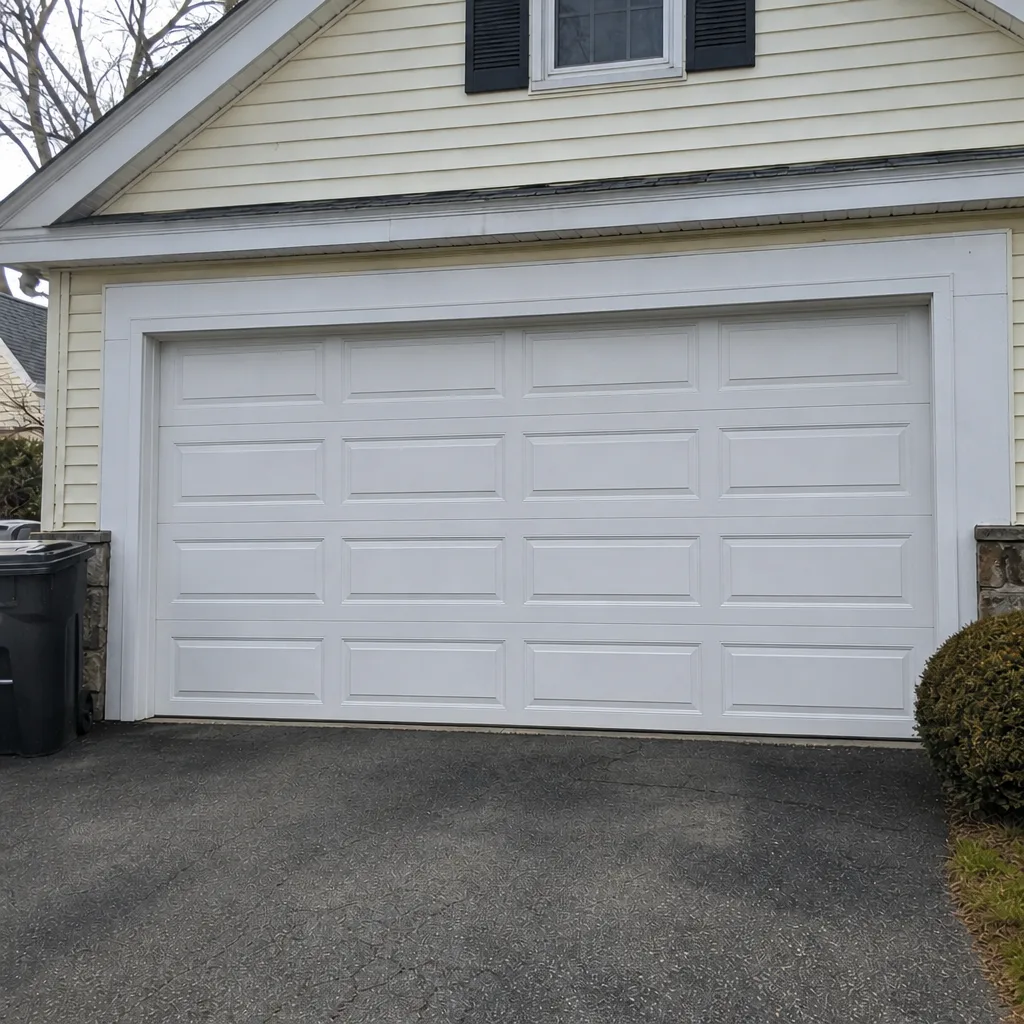 After
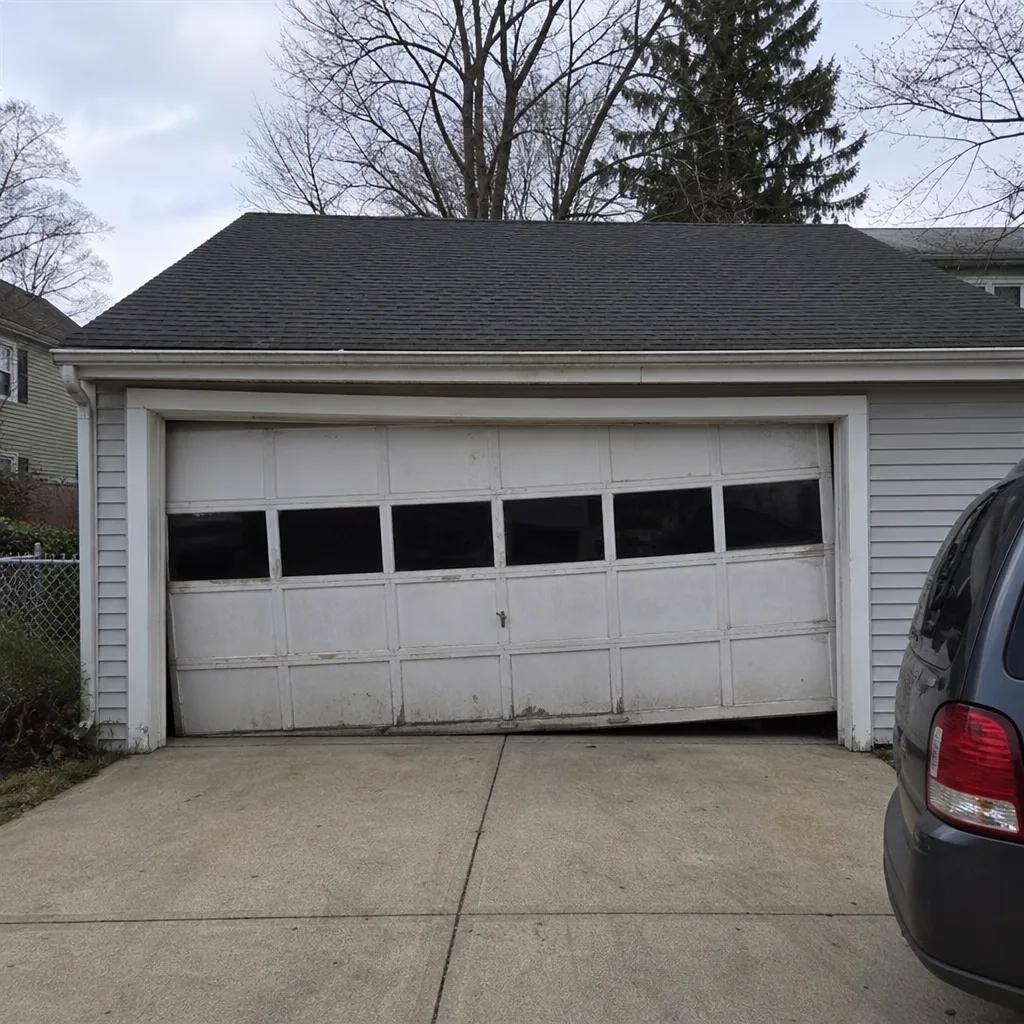 Before
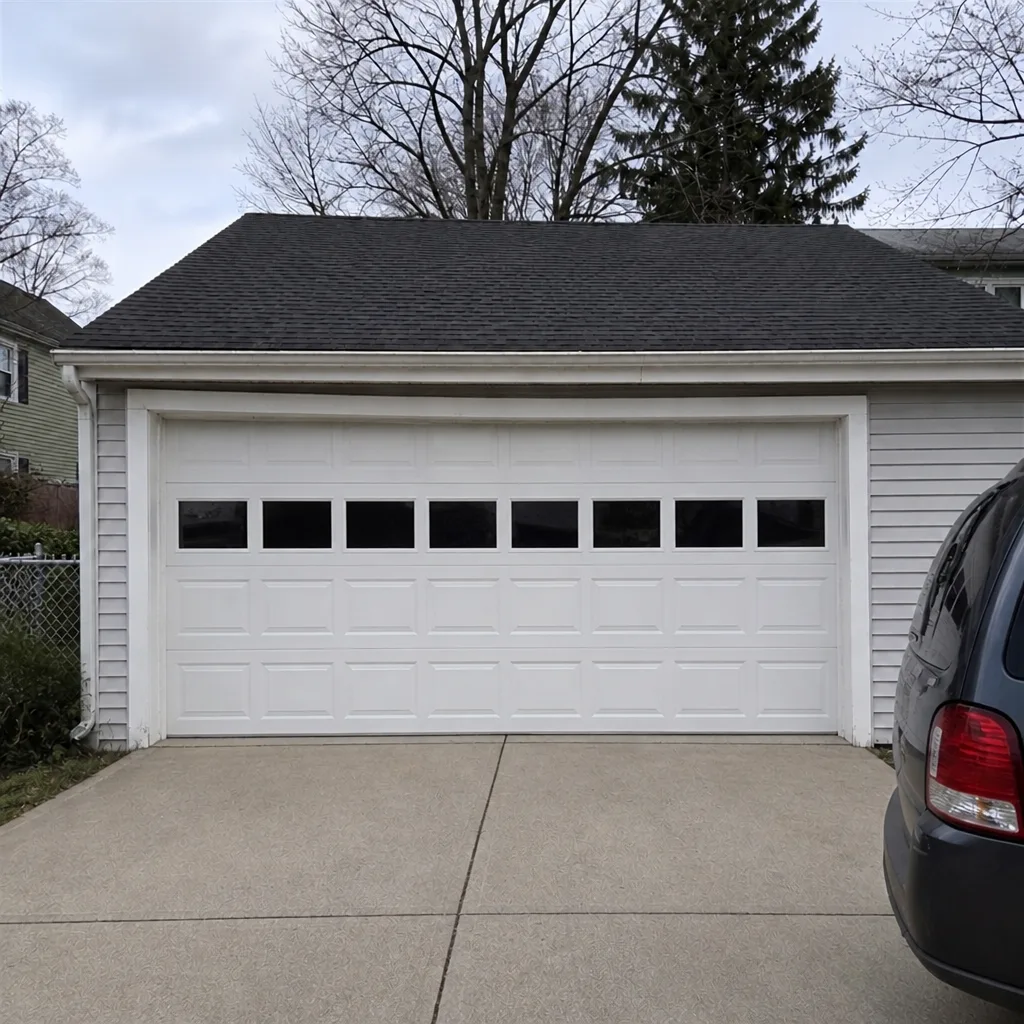 After
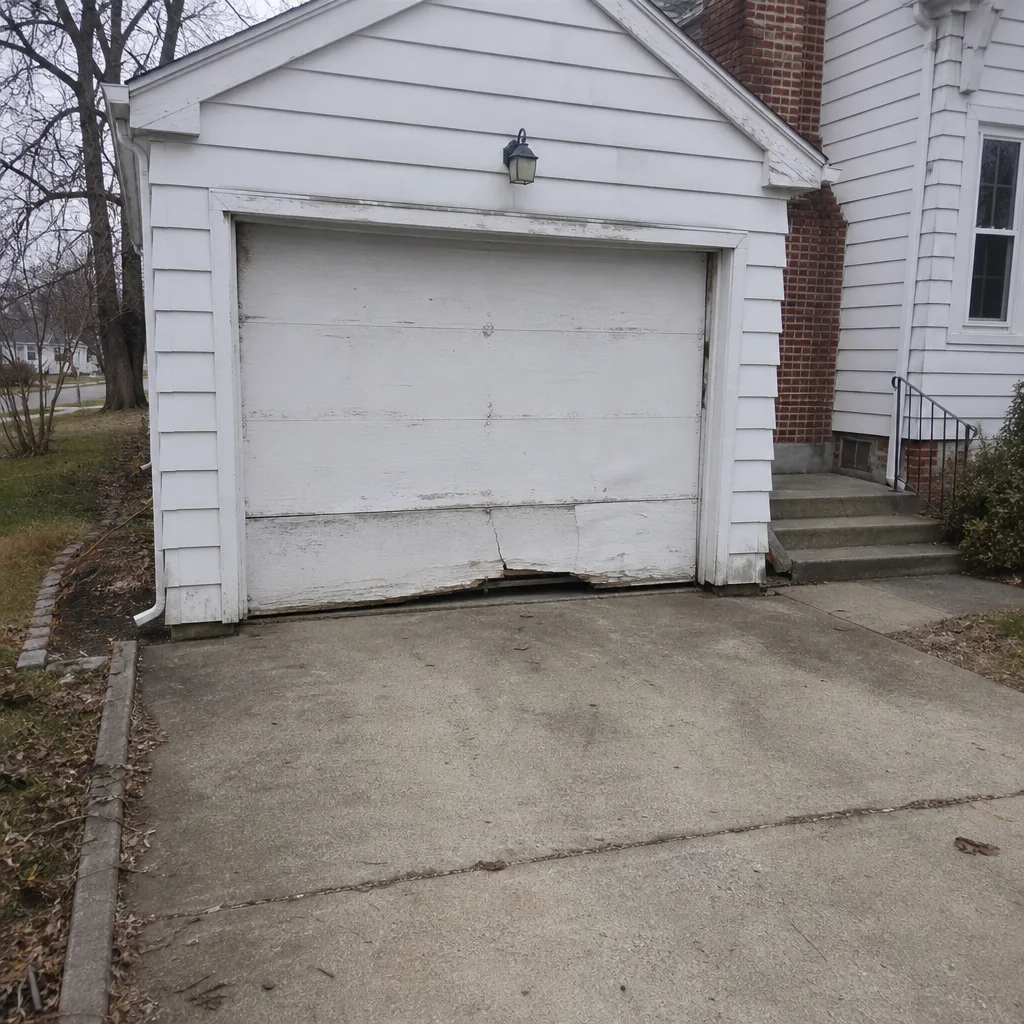 Before
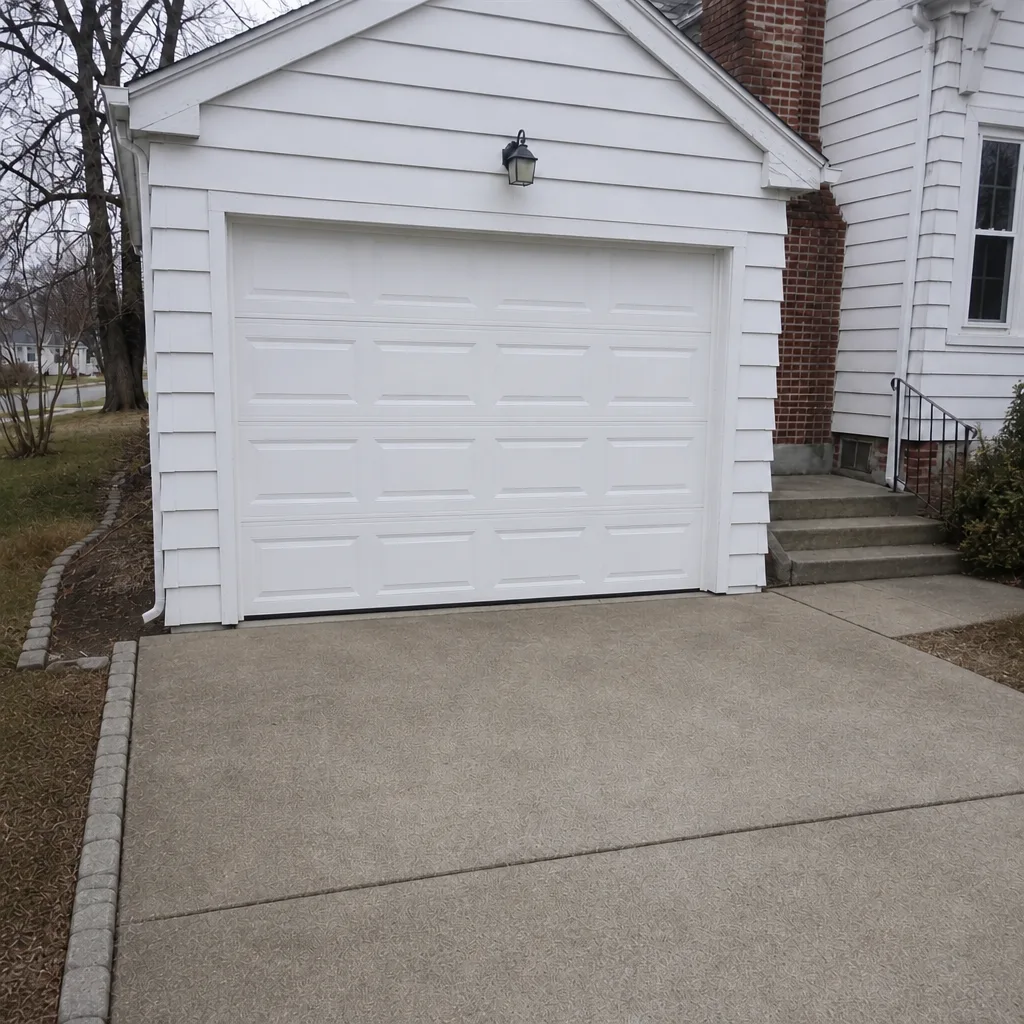 After
When to Call a Professional
If the door is hanging, the springs are popping or banging, or you’ve heard a snap and the door won’t stay up, call a technician – now, before you run the opener again. If the door reverses and the sensors are clean, aligned, and still lit, that’s a limit-switch job and a technician can usually sort it in a single visit. If your track is bent, if the door shudders and sags, or if you’re anywhere near wanting to replace a spring or a cable, that’s the “call us” line. You don’t need to prove it first; a professional diagnosis is free in most cases, and it’s the cheapest part of the whole job. Quincy Garage Door Service offers free estimates in Quincy – call (844) 755-5234. We answer 24/7. Fast dispatch from 7am to 7pm, Sunday through Friday.
Frequently Asked Questions
Typical small repairs in Quincy – sensor alignment, roller replacement, seal work – run in the low hundreds, while spring and cable repairs run higher because they require trained labor. The written estimate sets the final price, and you’ll have it before any work starts. Call (844) 755-5234 for an exact quote – estimates are free.
Yes, for repair and troubleshooting calls we aim to get out the same day when the schedule allows. We answer 24/7. Fast dispatch from 7am to 7pm, Sunday through Friday, so a call that comes in during dispatch hours is booked into the next opening. Call (844) 755-5234 to lock in a slot.
No. We quote the job, you agree to it, and that’s what you pay – the price is settled before any work starts. If we open the door and find something different from what the phone description suggested, we stop and re-quote before continuing. Call (844) 755-5234 and get the number up front.
Our technicians are insured, and they have up to 15 years of experience working on garage doors and openers across all the major brands. We work on LiftMaster, Chamberlain, Genie, Clopay, Amarr, Wayne Dalton, Craftsman, and Raynor systems, among others. Call (844) 755-5234 for service from a team that knows your brand.
The safety sensors or the opener’s travel limit are almost always the cause. First, verify both sensor LEDs are lit and the lenses are clean; if they are, the limit switch inside the opener needs adjustment. That’s a job that’s safe to check but worth having a specialist confirm. Call (844) 755-5234 if it keeps happening.
No. Torsion springs and cables carry stored energy strong enough to cause serious injury, and there’s no safe homeowner method for replacing them. A trained technician with the right tools and training handles spring work; homeowners can safely clean, lubricate, and adjust sensors, remotes, and seals. Call (844) 755-5234 for the spring jobs.
The Bottom Line
Almost every garage door failure you’ll face in Quincy fits into one of five categories, and knowing which one you’re in saves you real time and real money. Take the sounds seriously – a pop is a spring, a grind is a gear, a scrape is a seal, a squeal is a lubricant issue, and a click with no movement is a sensor or opener-logic problem. Keep the safe jobs safe: sensors, lubricant, seals, and remote pairing are yours; springs, cables, and any part under tension belong to a trained technician. Quincy’s humidity means the bottom seal and rollers matter more here than they do inland, so check them more often than you’d think. And when the symptom points to a spring, a cable, or a limit switch that won’t behave, call (844) 755-5234. We answer 24/7, dispatch fast from 7am to 7pm Sunday through Friday, and we quote the job before we start.
If you’re not sure which category your door falls into, or you just want a trained eye on it, Quincy Garage Door Service offers free estimates across Quincy and the surrounding area. We’ve built our whole service around one trade – garage doors – which means the diagnosis is fast and the fix is right the first time. Call (844) 755-5234 to get the door working right.
Written by the team at Quincy Garage Door Service.