
Last updated November 16, 2026
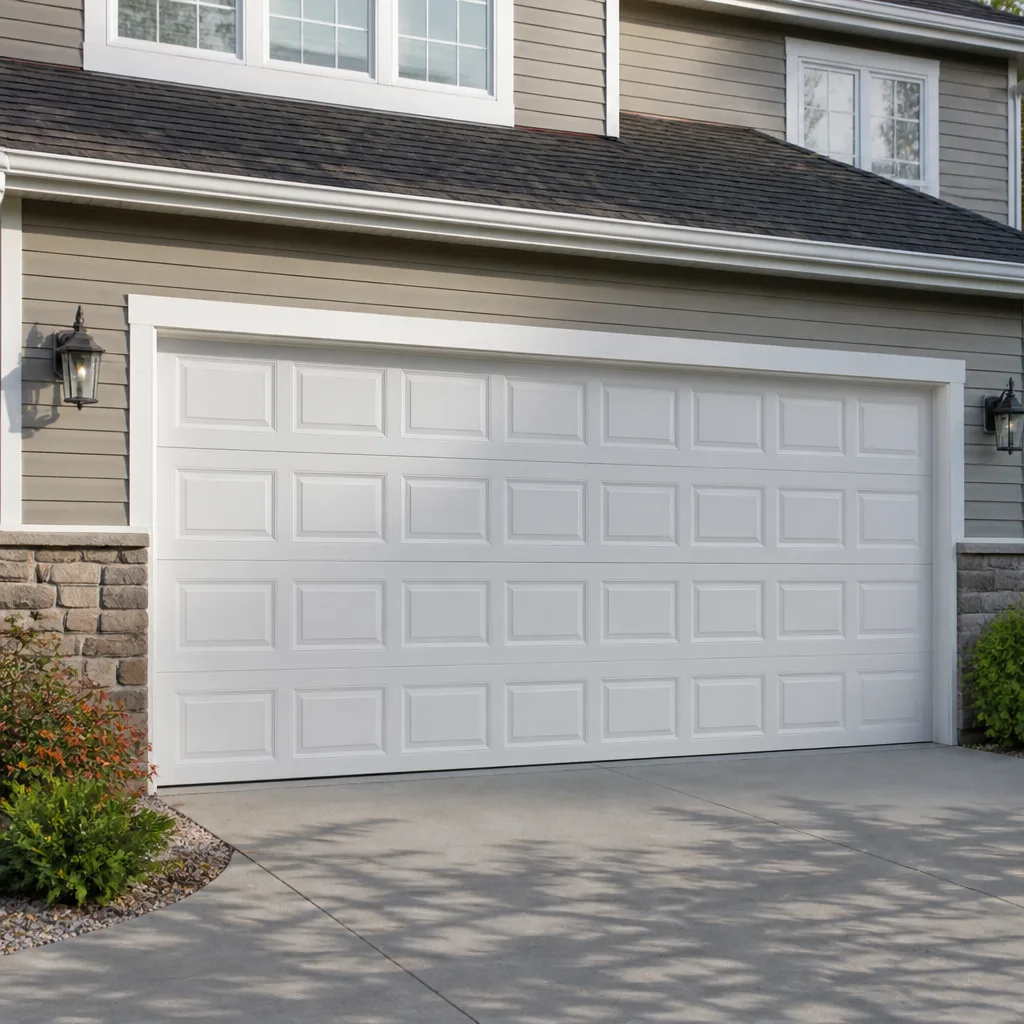 Raised-panel steel
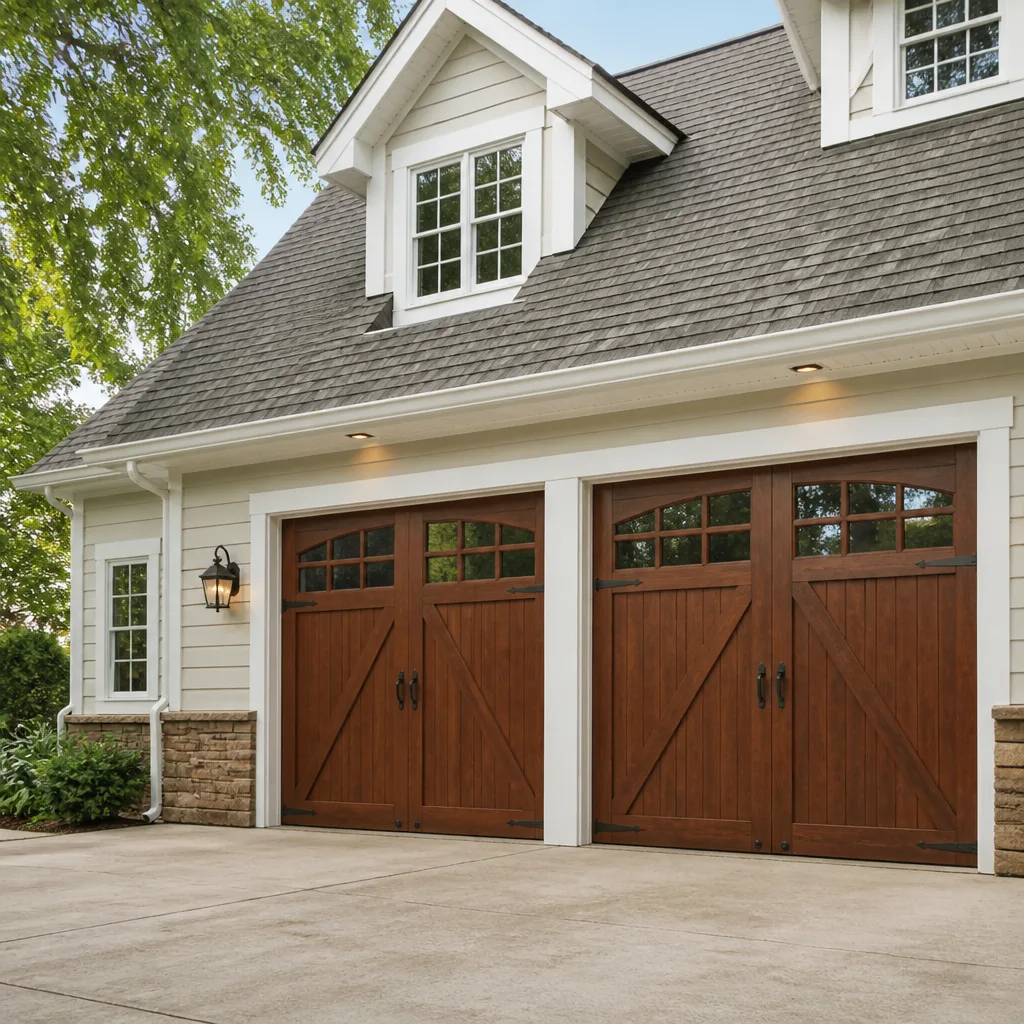 Carriage house
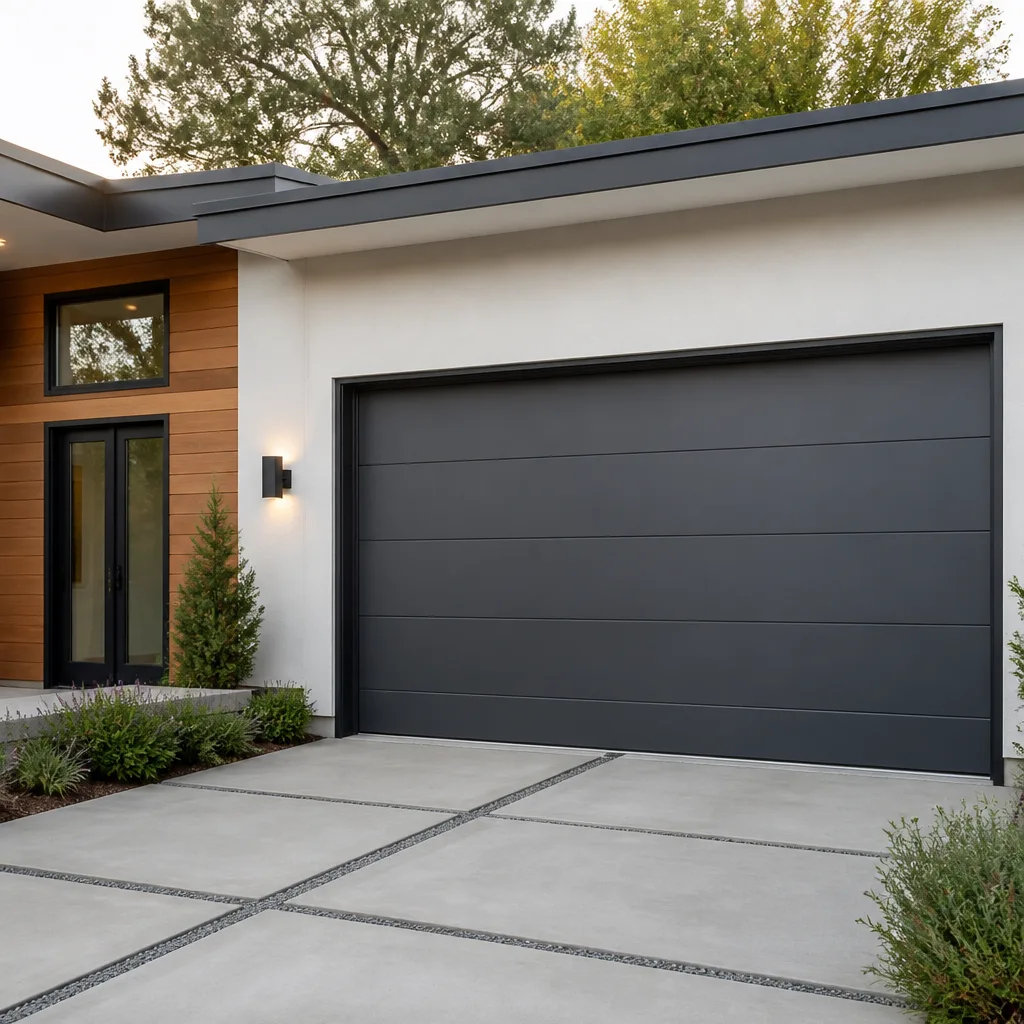 Modern flush
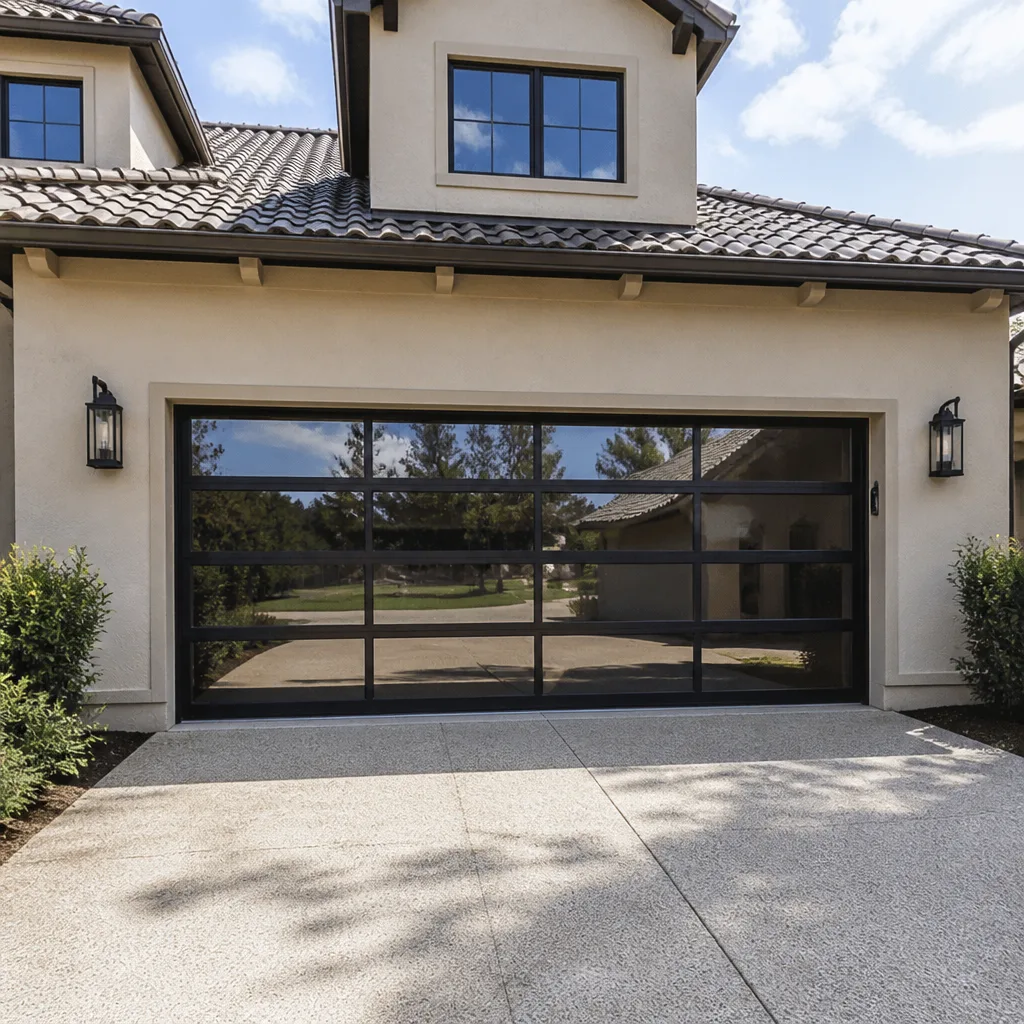 Full-view glass
 LiftMaster openers
 Chamberlain openers
Full 25-point door and opener safety check with every visit - springs, cables, rollers, tracks, and your LiftMaster or Chamberlain opener included
You get a price before we start. It does not change when the pro arrives.
Get your free estimateGarage Door Warning Signs: A Quincy Homeowner’s Reference Guide
A garage door doesn’t just break. It tells you it’s going to break – through sounds, movement patterns, and visual cues that mean something specific to someone who works on doors every day. The garage door is the largest moving object in most homes, and it’s also the one piece of equipment homeowners interact with more than any other, often several times a day. That daily repetition is exactly why the early warnings get ignored. The door still opens, so nothing is wrong. Except something is. In our experience, nearly every complete failure we repair in Quincy had a window of two to eight weeks beforehand where the door was clearly signaling a problem. This guide teaches you to read those signals, to tell the difference between a door that’s just loud and a door that’s about to fail, and to know which symptoms are safe to monitor and which mean you should stop using the door until a technician arrives.
Quick Answer
The most important garage door warning signs are grinding or popping sounds, uneven movement or hesitation during travel, visible cable fraying, rust banding or gaps on springs, and an opener that suddenly runs slower or strains. Any of these means the door needs professional attention before it fails completely, and some (frayed cables, spring gaps) mean you should stop using the door right away.
Styles & brands we work with
- Raised-panel steel
- Carriage house
- Modern flush
- Full-view glass
- LiftMaster openers
- Chamberlain openers
Table of Contents
- The Sounds That Mean Something Specific
- Reading Uneven Movement and Hesitation
- Cables and Springs: What to Look For
- Why a Slow Opener Is Often the Last Warning
- Safe to Monitor vs. Stop Using the Door
- How Quincy Weather Affects Your Door
- Brand Matters: What We Look For
- Common Mistakes to Avoid
- When to Call a Professional
The Sounds That Mean Something Specific
“My door sounds loud” is the single most common thing we hear when a homeowner calls. But loud is not a diagnosis. What matters is the type of sound. A door that always rumbles a little is usually fine. A door that has started making a new, distinct noise is telling you which component is failing. Here is how to translate what you’re hearing.
- Grinding: Metal-on-metal grinding usually points to a worn roller, a dry or failing bearing, or a torsion tube that’s begun to seize. Grinding that gets worse over a week is a component on its way out.
- Popping or snapping: A sharp pop, especially when the door first starts to move, often means a torsion spring is winding unevenly or a cable has slipped its drum. This is a stop-using-the-door sound.
- Scraping: If the door scrapes as it travels, a panel is misaligned, a hinge is bent, or a track has shifted inward. Left alone, scraping panels bend the door frame.
- Rattling that’s new: Loose fasteners, worn hinges, or a loose opener chain rail. Usually minor, but it worsens and can become a panel issue if ignored.
- Clicking with no movement: You hear the opener engage but the door doesn’t move. That’s usually a stripped gear in the opener or a broken spring, and the two are diagnosed very differently.
In our experience, the difference between a routine noise and a warning noise is change. A door that has always rumbled is normal. A door that rumbled last month and now grinds is not. Quincy’s freeze-thaw winters accelerate this – hardware loosens and lubricant thins out with the temperature swings, so a door that was quiet in fall often starts talking in January.
Reading Uneven Movement and Hesitation
Watch your door travel from the ground, not from the car. Movement patterns are one of the most reliable early indicators, and they’re almost always missed because nobody sits and watches the door. There are three distinct uneven-movement patterns, and each points to a different root cause.
- One side drops lower than the other as the door opens or closes. This usually means a cable is stretching, a drum has slipped, or a spring is losing tension unevenly. It’s a torsion-system warning and should be looked at by a technician before the door binds.
- The door hesitates at a specific point in travel, then continues. A hesitation at the same spot every time usually points to a bent track, a worn roller, or a hinge that’s binding. It tends to start subtle and grow into a full stop.
- The door reverses without an obstruction. If it goes partway down and reverses with nothing in the way, that’s a safety-sensor or opener-limit issue, not a door issue, and it should be diagnosed as an opener fault.
A fourth pattern worth watching: a door that shudders or jerks on the way down. That’s often a spring that’s lost tension or a cable with a kink. According to what we’ve seen on Quincy doors specifically, winter cold makes a struggling door more obvious, because the tension in the spring drops in the cold and the tracks may ice slightly, which exposes problems that a warm-weather door hides.
Cables and Springs: What to Look For
Cables and springs are the two components that cause the most serious garage door injuries and the most catastrophic failures, so the visual inspection matters. You can and should look – you should never touch, adjust, or remove. Here is what the warning signs actually look like, in plain language.
- Fraying on cables: A healthy cable is smooth, taut, and evenly wound on the drum. A failing cable has visible broken strands, kinks, or a fuzzy edge where individual wire strands have separated. Fraying means stop using the door.
- Rust banding on springs: A torsion spring is a coil of steel. When a band of rust appears across the middle of the coil, it suggests the spring has been under load long enough to fatigue, and that band is often exactly where it will snap. A straight, clean, oil-free spring is fine; a spring with a rusty stripe is a scheduled replacement.
- Gaps or open coils: If the coils on a spring are visibly separated or the spring looks stretched, it has lost tension and needs replacement.
- Cable off the drum: If the cable has slipped off the drum on one side, the door is being held unevenly and is prone to dropping. Stop using the door.
- Broken spring: A spring snapped in two with a clean break means the door is being supported entirely by the opener, which is not designed for that. This is the classic “don’t use the door” situation.
Springs are under extreme tension. In our experience, the injuries we hear about most often are from homeowners who tried to adjust or replace a spring themselves. If you see any of the above, close the door if it’s safe to do so, and call for garage door repair rather than trying to force it. Same-day service is usually available for these calls in Quincy. Our technicians have up to 15 years of experience with torsion systems, and they’ll inspect the cables and springs together, because cable problems and spring problems are often linked.
Why a Slow Opener Is Often the Last Warning
Homeowners tend to describe an opener problem as “it feels slow” or “it doesn’t have the same power it used to.” That vague-sounding complaint is actually one of the most telling signals in the whole system. Here’s what’s usually happening: the opener motor is straining because the door is harder to move than it should be. A slow opener is often not an opener problem at all – it’s a symptom of a door that’s begun to bind, either from worn rollers, a spring losing tension, or a track that’s slightly out of alignment. The motor compensates for a while, and then one day it doesn’t.
The other common pattern is the opener that runs but the door doesn’t move, or moves a few inches and stops. On a chain-drive or belt-drive unit, that often means a stripped gear inside the motor housing. On a smart opener it can also be a limit-setting fault after a power interruption – a common issue on MyQ-enabled LiftMaster and Chamberlain units, and on Genie Aladdin Connect models when the app reports a door state that doesn’t match reality.
Openers from LiftMaster, Chamberlain, Genie, and Craftsman have different fault patterns, and diagnosing them is a genuinely different job from repairing the door itself. If your opener has run reliably for years and then starts to slow, strain, or short-stop, don’t wait for it to fail – call for garage door opener repair and let a technician diagnose the unit before you’re locked out of your own garage.
Safe to Monitor vs. Stop Using the Door
Not every warning sign requires a same-day call. Some are fine to monitor for a few days while you schedule a visit, and some mean the door should not be moved again until a technician has seen it. Getting this distinction right is the most valuable skill in this guide.
Safe to monitor for a few days:
- A rattle or rumble that has slowly developed but the door travels smoothly.
- A slightly noisier operation in cold weather that quiets down as the day warms.
- A remote or wall button that occasionally needs a second press.
- A door that reverses on the safety sensor when the sun hits it directly (usually a sensor alignment or sun-glare issue, not a mechanical failure).
Stop using the door:
- A snapped torsion spring.
- A frayed cable, a cable off its drum, or a visibly kinked cable.
- A door that drops or slams rather than lowering under control.
- A door that binds or leans heavily to one side during travel.
- A loud pop followed by the door becoming very heavy to lift manually.
In any of the stop-using-the-door situations, close the door if it’s safe and call us. Spring and cable failures can cause serious injury if the door is forced, and they can drop a door onto a vehicle or a person. This is not a job for a general handyman. It’s a job for a specialist, and in Quincy we handle these calls frequently enough to know exactly how they fail and how to make them safe.
How Quincy Weather Affects Your Door
Quincy sits in a climate that is hard on garage doors. Cold winters with frequent freeze-thaw cycles, humid summers, and a coastal New England pattern of wet springs and dry falls all conspire against the moving parts. The warning signs you’ll see here tend to be seasonal, and knowing what to expect by month helps you schedule inspections before problems become failures.
- Late fall: Watch for a door that starts groaning as temps drop. Cold thickens lubricant and stiffens springs, which exposes a worn roller or a spring that’s been slowly losing tension all year.
- Winter: Freeze-thaw cycles in the tracks and hinges are common. A door that hesitates on the way up in January is often a track or hinge issue from ice and grit. Keep the tracks clear and dry.
- Spring: Wet weather exposes rust banding on springs and swelling on wood jambs, which can throw off travel and trigger reverse-without-obstruction faults.
- Summer: Heat expands the door panels and can reveal a panel misalignment. It’s also when smart opener connectivity issues show up most, because more homeowners are opening the door remotely and notice app-state mismatches.
If you live in a neighborhood like Wollaston, Squantum, or Merrymount where drives are narrower and doors face the weather, the seasonal swing is often sharper. We see this on Quincy doors across every neighborhood – a door that runs fine from May to October will start signaling in December, and the warning window is exactly when you should act.
Brand Matters: What We Look For
Garage door systems fail differently by brand, and knowing the specific model matters when you’re trying to read warning signs. We’re factory-familiar with eight of the most widely-owned brands in residential use, which means we diagnose the system a homeowner actually has, not a generic one. That distinction shows up in the early warning signs themselves.
- Clopay and Amarr doors: Watch for panel seam separation, hinge wear at the panel joints, and alignment issues. These are door-side failures, not opener failures.
- LiftMaster and Chamberlain openers: Watch for a slow, straining motor, a limit fault after a power outage, or a MyQ status that doesn’t match the actual door. These are almost always opener-side or force-setting issues.
- Genie openers: Watch for a door that travels partway and reverses without obstruction, or a belt that has started to slip. On Aladdin Connect models, a connectivity fault often mimics a mechanical issue.
- Craftsman openers: These are common on older doors, and their warning sign is usually a gear that fails after years of use without strain warning. By the time they make noise, they’re close to failing.
What we’ve learned is that matching the symptom to the brand is what shortens a repair. A homeowner with a LiftMaster shouldn’t be scheduling a door-side diagnostic when the issue is a limit setting, and a homeowner with a Clopay shouldn’t be calling for an opener repair when the panel seam is separating. That’s part of why we focus on garage doors as a single trade. Our technicians have up to 15 years of experience on these brands specifically, and it makes the diagnostics faster and the repair more likely to be right the first time.
If you’re just getting to know us, our Quincy Garage Door Service page covers the full scope of what we handle, from new door installation through mechanical repair and opener troubleshooting.
Common Mistakes to Avoid
- Treating a pop or snap as a one-off. If you heard a loud pop and the door still moves, the spring may have already broken. Don’t use the door again until it’s inspected; the opener is not designed to lift the door on its own.
- Spraying lubricant on a spring or cable to quiet it down. Lubricant is fine on rollers, hinges, and tracks. It should never be used on a torsion spring or a cable, and doing so masks the real problem. Let the technician look at the hardware instead.
- Ignoring a slow opener because the door still opens. A slow opener is usually the last warning before a component fails, and it’s often a door issue disguised as an opener issue. Get it diagnosed while it’s still a quick fix.
- Calling a general handyman for a spring or cable issue. Springs and cables carry enough stored energy to cause serious injury. This is a specialist repair, and in Quincy we’ve seen the aftermath of a generalist attempt often enough to know it isn’t worth the risk.
- Skipping winter checks because the door still works. Quincy’s freeze-thaw cycles put real strain on the system. A fall inspection catches most winter failures before they happen.
- Assuming a loud door is just a loud door. Noise that changes is a warning. A door that’s always been loud is fine; a door that has become loud is not. Listen for the change, not the volume.
- Waiting until the door is stuck to call. Every failure this guide describes has a window of a few weeks. Acting inside that window makes the repair smaller and the price lower, and it avoids the 7am panic before work.
See the difference
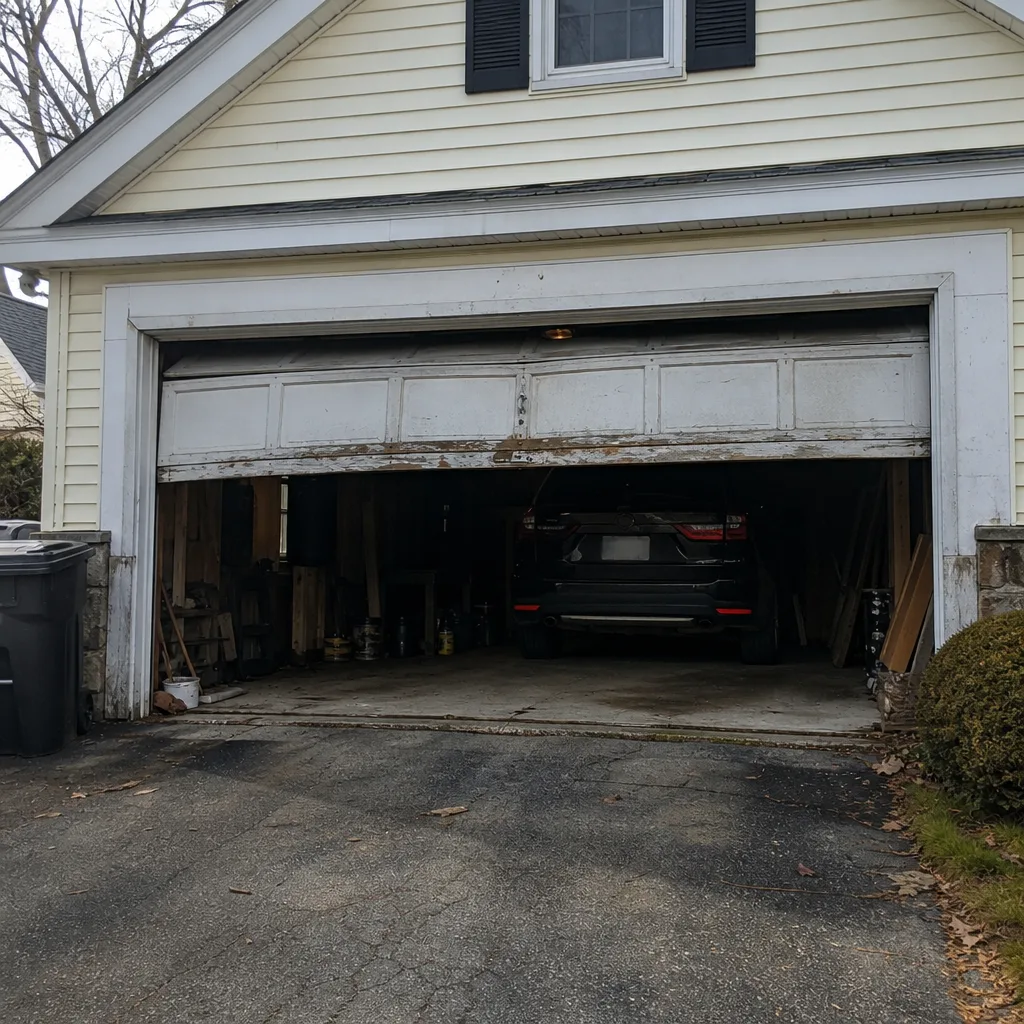 Before
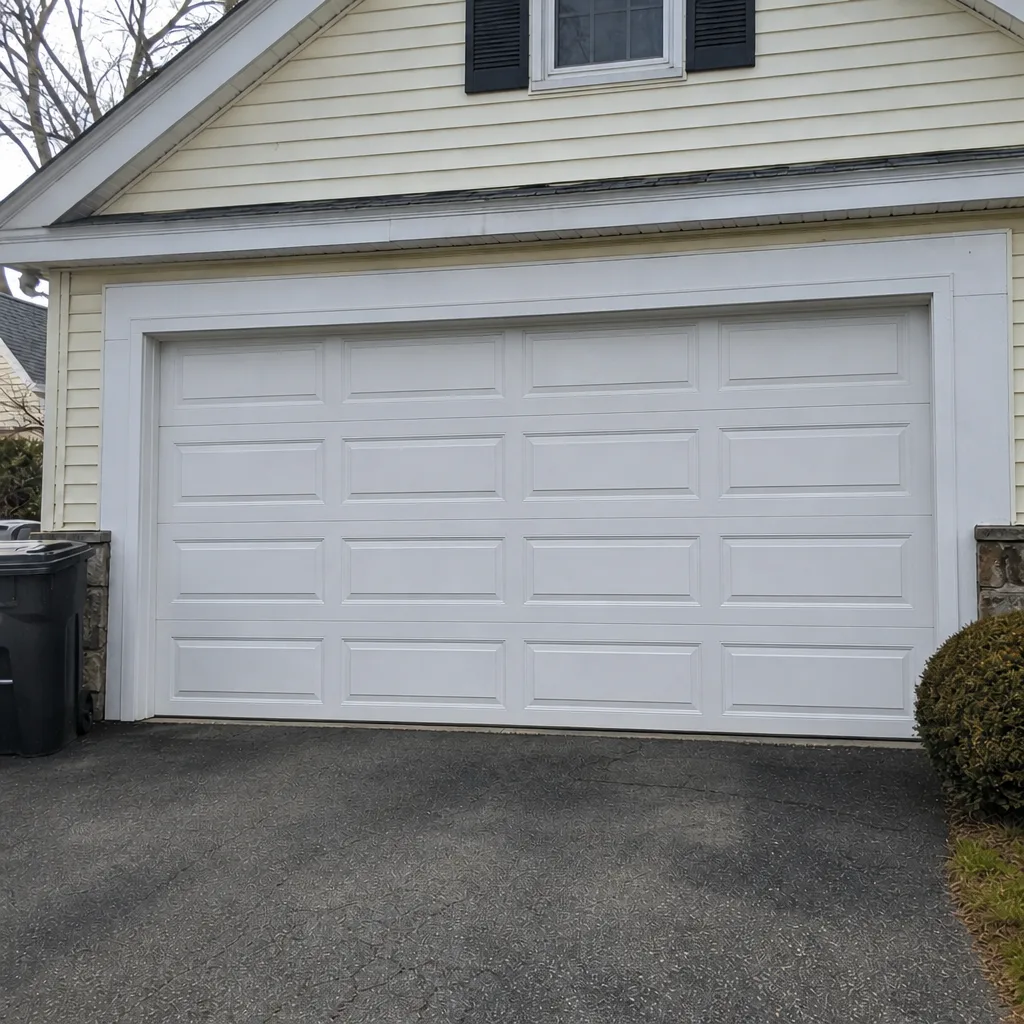 After
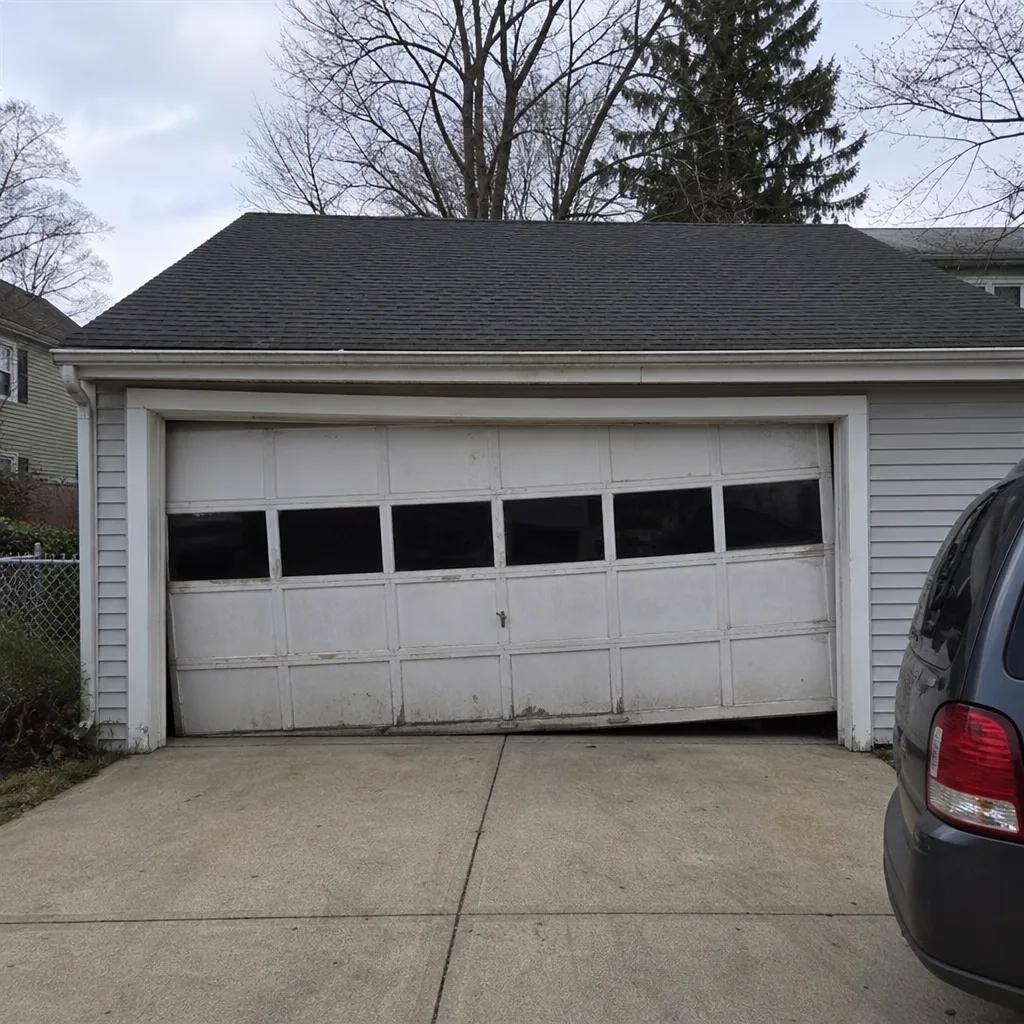 Before
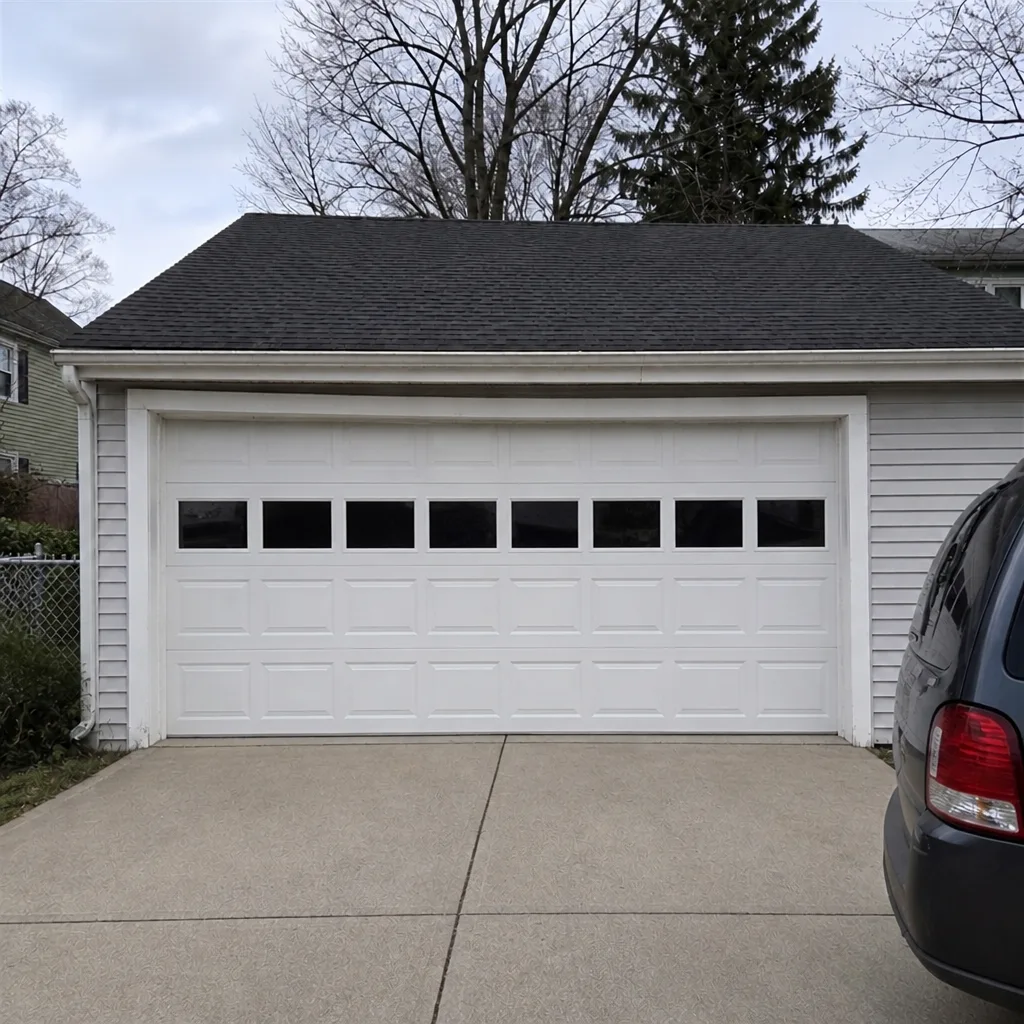 After
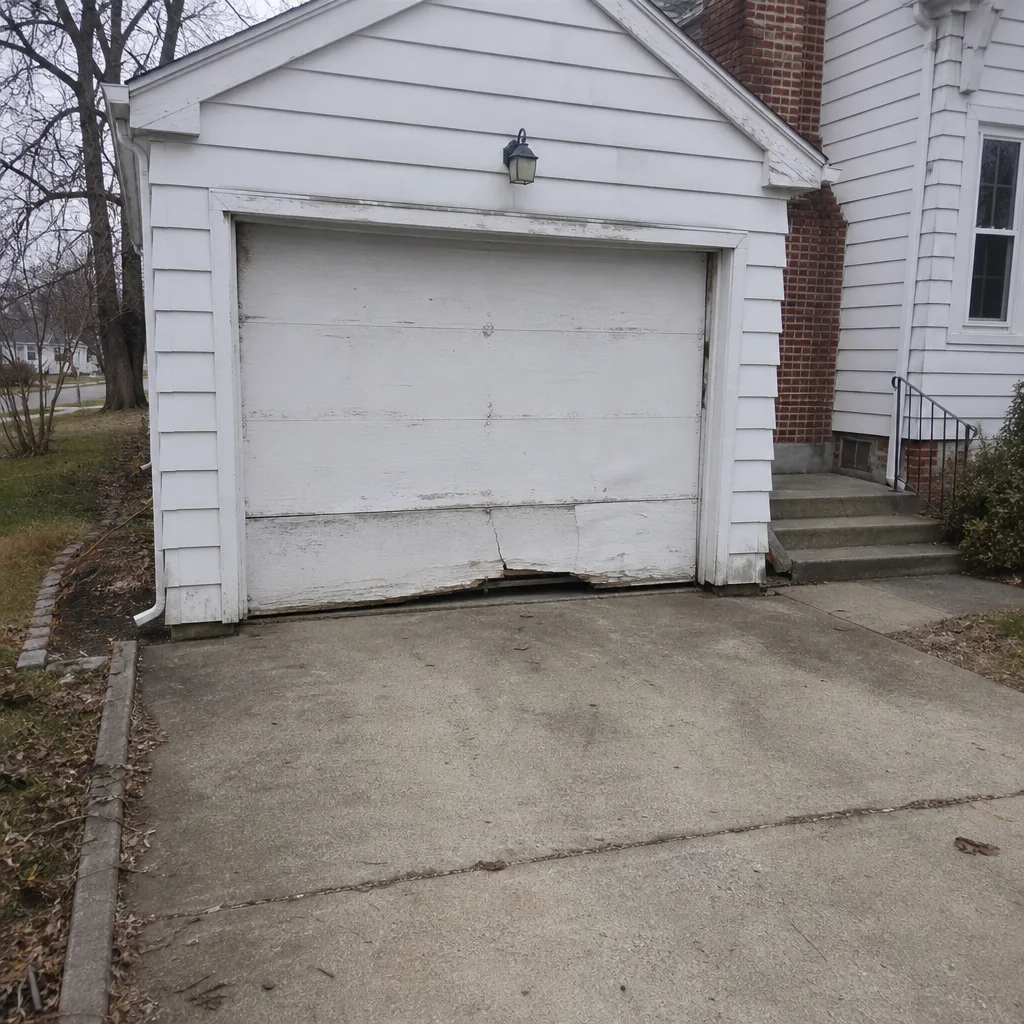 Before
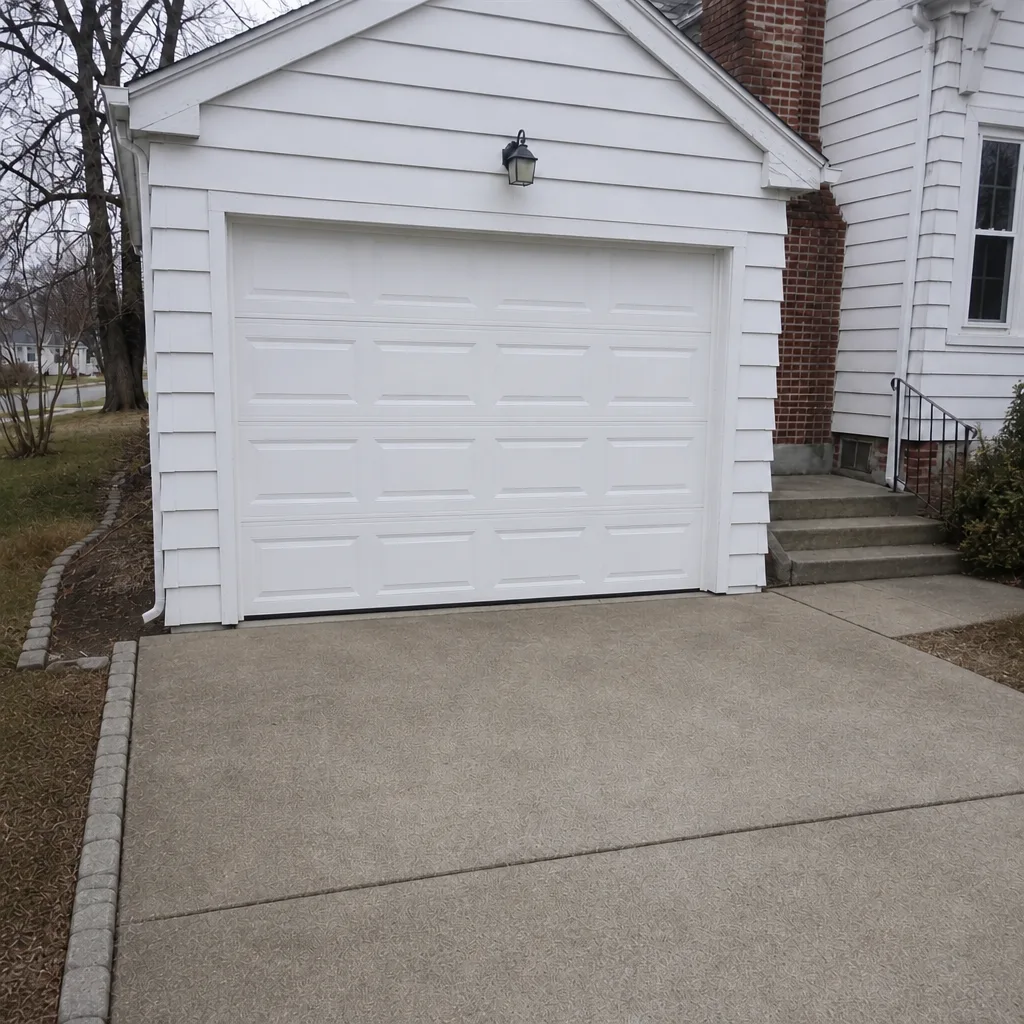 After
When to Call a Professional
Call a professional immediately if you see any of the stop-using-the-door signs we’ve covered: a snapped or visibly banded spring, a frayed or off-drum cable, a door that drops or binds, or a pop followed by a very heavy door. Call promptly if you’re noticing a slow opener, hesitation at a consistent point in travel, or grinding that’s new within the last week. And call for a scheduled inspection if the door has been noisy for months without a clear cause, or if it’s been more than a year since anyone has looked at the hardware. Most Quincy repairs are simpler when caught early. Quincy Garage Door Service offers free estimates in Quincy – call (844) 755-5234. We answer 24/7. Fast dispatch from 7am to 7pm, Sunday through Friday.
Frequently Asked Questions
The first warning sign is usually a change in sound – a new grind, pop, or scrape that wasn’t there a few weeks ago. Movement changes (hesitation, one side dropping) tend to follow within a few days. If you notice either, call (844) 755-5234 for a free estimate before the door fails.
No. A frayed cable means individual wire strands have broken and the cable is closer to failing than it looks. Stop using the door and call a professional immediately. For garage door repair in Quincy, we offer free estimates and same-day service on most cable failures.
Most complete failures give two to eight weeks of warning in the form of sounds, movement changes, or visible hardware wear. In our experience, the warnings are visible long before the door stops moving, which is why an inspection in the fall pays off in the winter. Call (844) 755-5234 to schedule a free estimate.
Often the door. A straining or slow opener is usually compensating for a door that has started to bind, from worn rollers, a spring losing tension, or a track that’s shifted. A technician will diagnose both. Call (844) 755-5234 for a free estimate.
Yes. Freeze-thaw cycles in Quincy stress the tracks, hinges, and springs, and the cold exposes problems that warm weather hides. A door that ran quietly all summer often starts signaling in January. That’s normal for the climate here, and the right response is to have it checked before it binds. Call (844) 755-5234.
A rust band across the middle of the coil, visible gaps in the coils, or a stretched spring is the classic warning before a snap. If a spring has actually snapped in two, stop using the door. Call (844) 755-5234 for a free estimate on replacement.
Yes. Our technicians are licensed and insured, and they have up to 15 years of experience. The price you’re quoted is set by the written estimate before any work starts, and the estimate is free. Call (844) 755-5234.
The Bottom Line
A garage door almost never fails without warning. The sounds, movement changes, and visible wear this guide covers are the door telling you which component is on its way out. The two to eight week window between the first warning and the failure is where a small repair lives, and where a stuck door doesn’t. If you’re in Quincy and you’ve read this guide and recognized something on your own door, don’t wait. Whether your Clopay door is binding, your LiftMaster opener is straining, or you just want a professional to look at the springs before winter, our team can help. We answer 24/7. Call (844) 755-5234 to learn more about Quincy garage door service, or to schedule your free estimate.
Written by the team at Quincy Garage Door Service.