
Last updated November 16, 2026
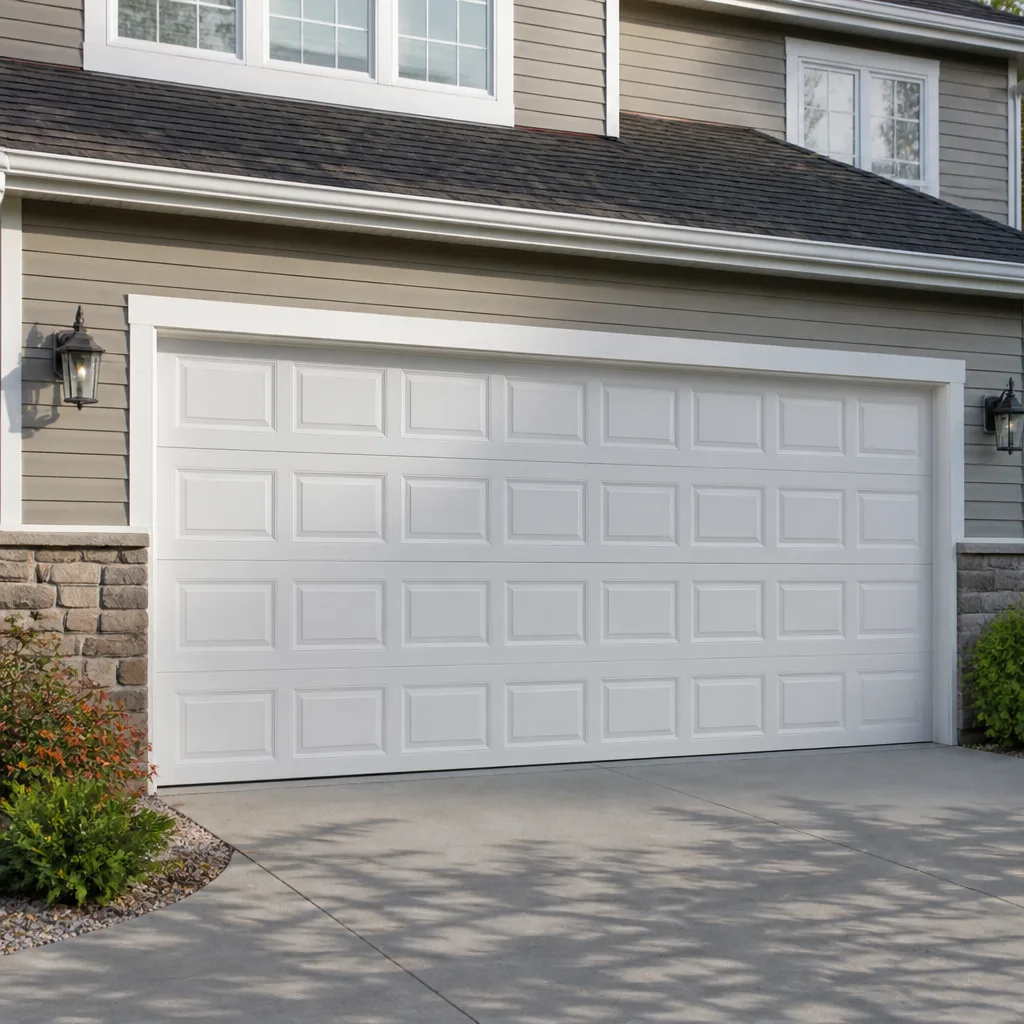 Raised-panel steel
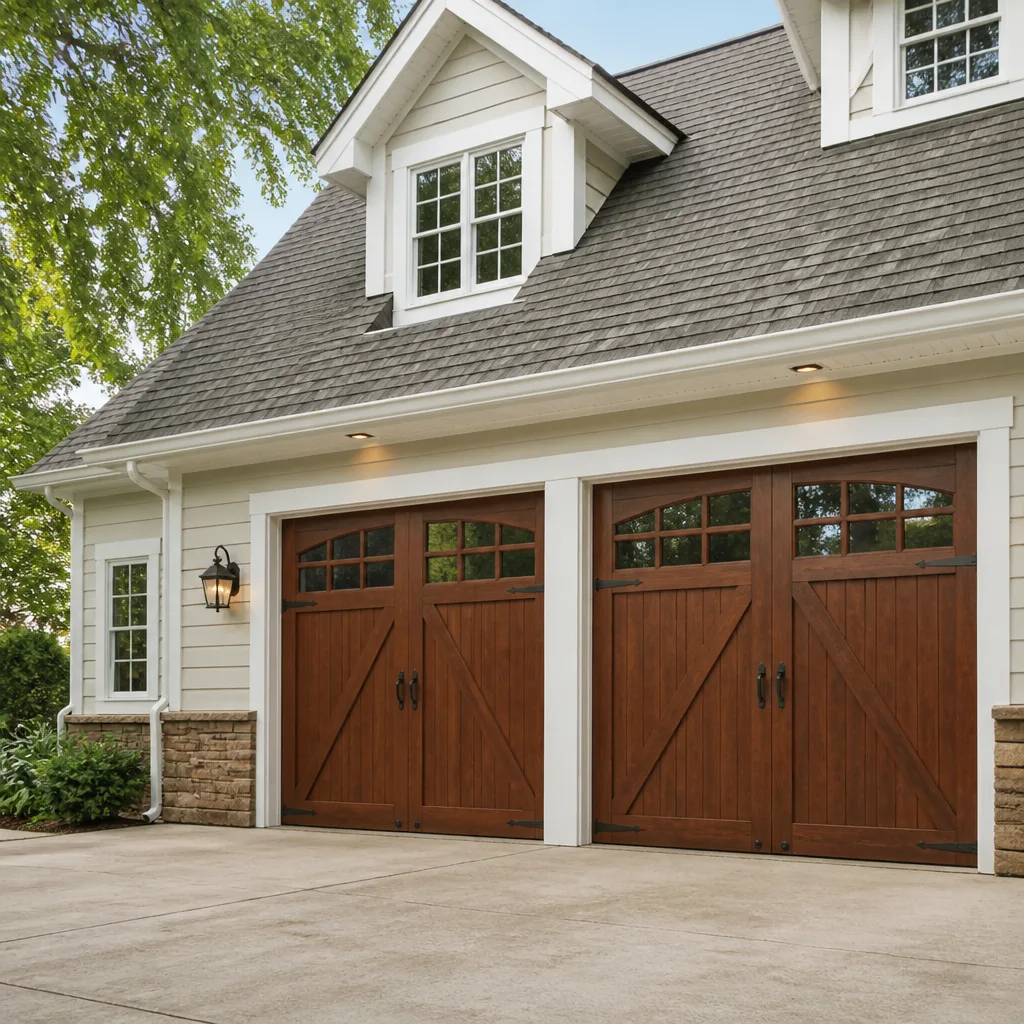 Carriage house
 Modern flush
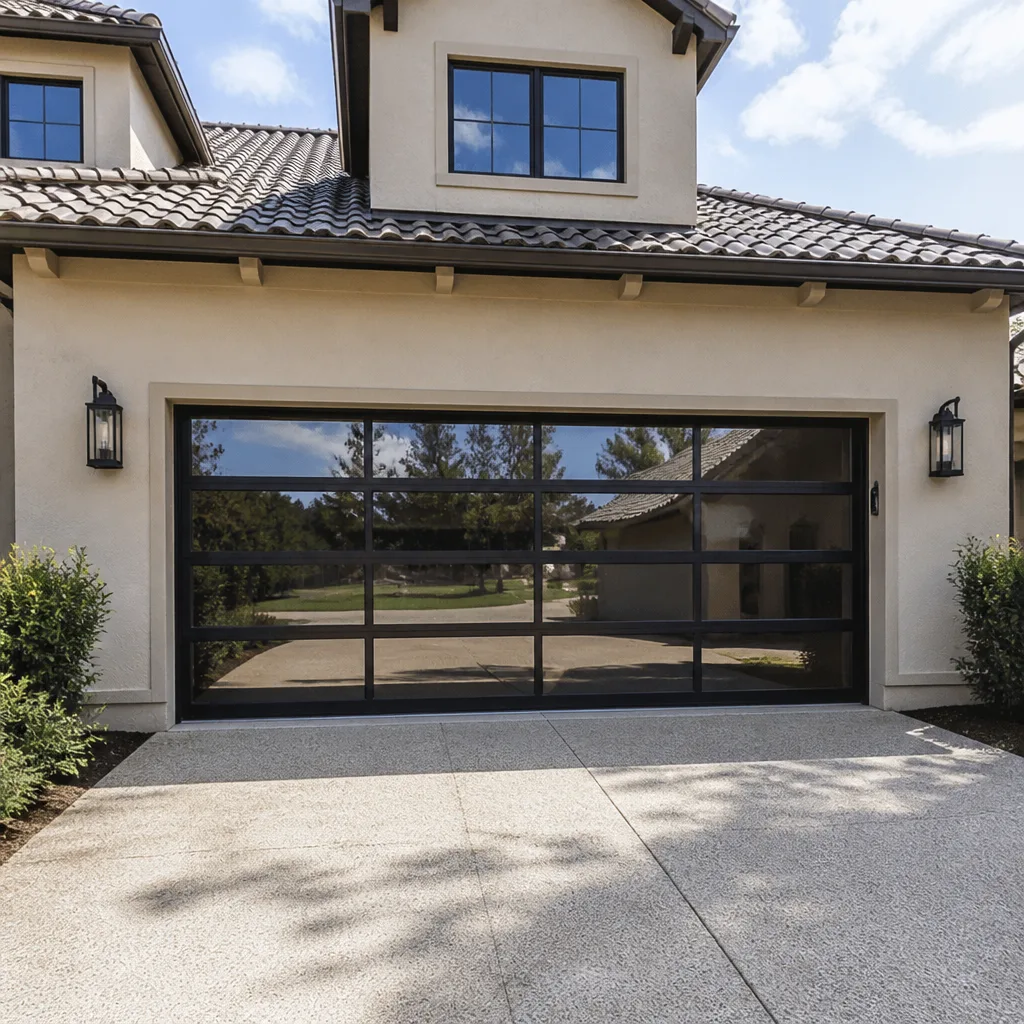 Full-view glass
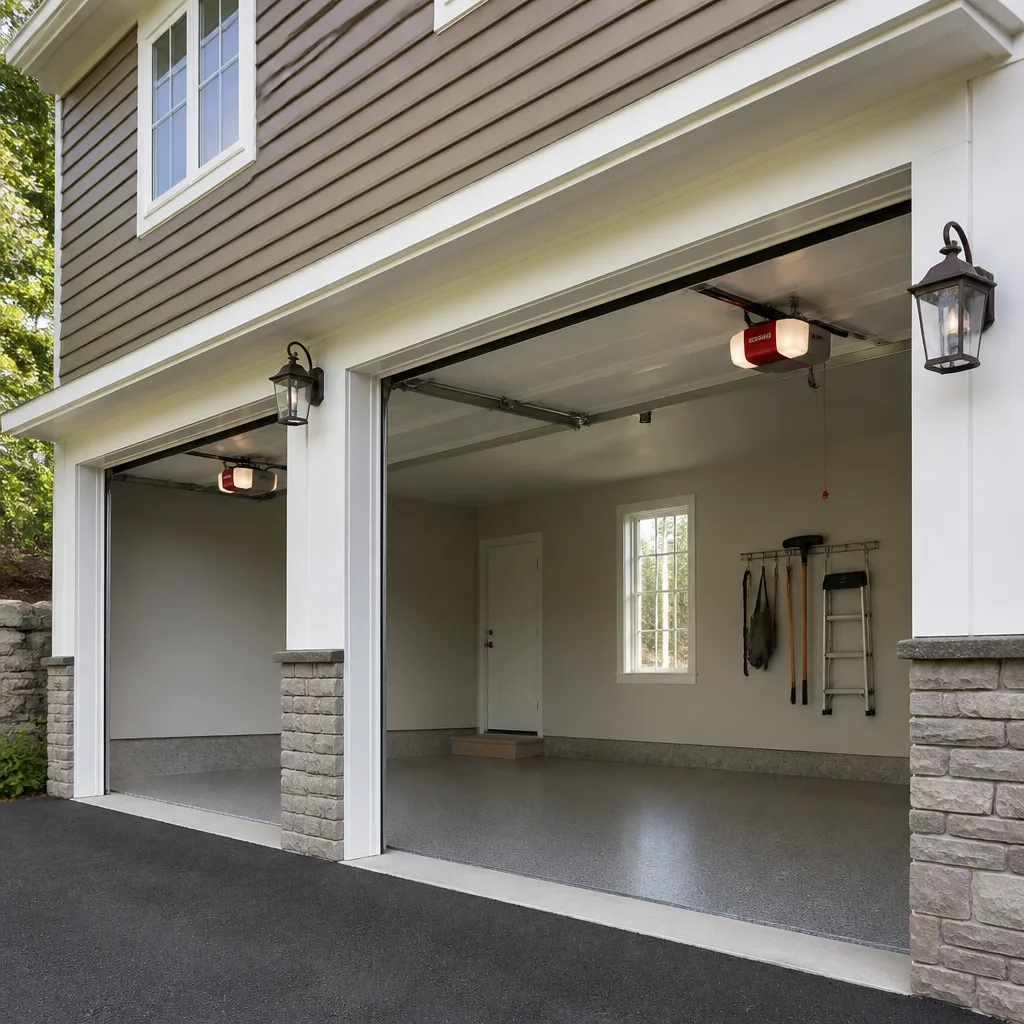 LiftMaster openers
 Chamberlain openers
Full 25-point door and opener safety check with every visit - springs, cables, rollers, tracks, and your LiftMaster or Chamberlain opener included
You get a price before we start. It does not change when the pro arrives.
Get your free estimateSeasonal Garage Door Care for Quincy: Year-Round Homeowner’s Guide
October is the most valuable month on the calendar for a garage door in Quincy, and most homeowners spend it on leaf raking instead. Here’s the counterintuitive part: the work you skip in fall doesn’t disappear. It waits for the first deep freeze, then shows up as a door that won’t close, a spring that sounds wrong, or an opener that strains against ice. Winter service calls also take longer to schedule because everyone else is calling at once. This guide maps what to check in each season and, more importantly, why each task matters given Quincy’s real weather: freeze-thaw cycling, bay humidity, and the temperature swings that punish hardware. You’ll get a repeatable yearly routine you can actually finish.
Quick Answer
Seasonal garage door care in Quincy comes down to four moves: a pre-winter lubrication and balance check in October, ice-safe habits during freeze cycles, a post-winter inspection of springs and seals in March, and a summer tune of opener sensitivity and hardware before humidity peaks. Do the fall step properly and you avoid most of what breaks between December and March. Our technicians have up to 15 years of experience, and the pattern they see every year is the same: skipped fall prep turns into a winter repair.
Styles & brands we work with
- Raised-panel steel
- Carriage house
- Modern flush
- Full-view glass
- LiftMaster openers
- Chamberlain openers
Table of Contents
- Why Quincy Weather Is Hard on Garage Doors
- Fall Prep: The October Sequence That Protects You All Winter
- Winter: Frozen Doors, Cold Starts, and What Not to Do
- Spring: Post-Winter Inspection and Spring Fatigue
- Summer: Humidity, Heat, and Opener Sensitivity
- Coastal Quincy vs. Inland Quincy: Corrosion Reality
- The Full-Year Checklist at a Glance
- Common Mistakes to Avoid
Why Quincy Weather Is Hard on Garage Doors
A garage door in Quincy doesn’t face one climate. It faces four compressed into a year, and the transitions do more damage than any single season. The freeze-thaw cycle is the main culprit. Water gets into a seam, a hinge barrel, or the gap under a bottom seal, freezes overnight, expands, and works the fitting loose. Repeat that thirty or forty times between December and March and hardware that was tight in October is rattling by April.
Humidity is the second pressure point. Quincy sits close to the water, and bayside neighborhoods like those near Quincy Bay and along the Quincy Shore Drive corridor see more damp air than inland sections of the city. That moisture settles on bare steel: hinges, rollers, track joints, spring anchor plates. You won’t notice it in July. You’ll notice it as pitting and stiff rollers a couple of winters later.
Temperature swing is the third. Torsion springs are wound steel under constant tension, and they expand and contract with the thermometer. A spring asked to do that through a New England winter fatigues faster than one in a stable climate. That’s not a reason to panic; it’s a reason to inspect on a schedule instead of waiting for a bang from the garage.
Put together, these three factors mean a garage door in Quincy benefits from a specific yearly routine that a door in, say, a mild inland climate wouldn’t need in the same order. Fall comes first because fall is when you can still fix things comfortably. For a broader look at how we handle repairs for this kind of wear, see our garage door repair page.
Fall Prep: The October Sequence That Protects You All Winter
Fall prep isn’t “lubricate everything.” Order matters. If you lubricate before you clean, you trap grit in the moving parts. If you lubricate before you check balance, you won’t feel the stiffness that tells you a roller or spring is already tired. Work in this sequence:
- Clear and inspect the tracks first. Wipe the inside of both vertical and horizontal tracks with a dry cloth. Look for rust spots, dents, and debris. Don’t lubricate tracks; they’re meant to stay clean and dry so rollers can travel without slipping.
- Check the door’s balance. Disconnect the opener (pull the release cord), lift the door halfway by hand, and let go. A balanced door holds roughly where you left it. A door that drops or rises on its own is telling you the springs are out of adjustment or fatigued, and that’s a professional call, not a homeowner fix.
- Lubricate hinges, rollers, and the spring. Use a lithium-based or silicone garage door lubricant, not WD-40 and not motor oil. Apply at the hinge pivot points, the roller stems (not the roller wheels), and lightly along the torsion spring coils. Wipe off excess.
- Inspect the bottom seal and weatherstripping. Run a hand along the bottom rubber. Cracks, hardening, or gaps at the corners mean cold air and meltwater get in. Replace before the first freeze.
- Test the safety reverse. Put a roll of paper towels under the door and close it. The door should reverse on contact. Also test the photo-eye sensors by waving an object across the beam.
- Tighten hardware. Check the bracket bolts and track bolts with a socket wrench. Snug, not over-torqued. Vibration loosens these over the year.
- Service the opener. If your unit is a LiftMaster, Chamberlain, Genie, or Craftsman, check the manual for the recommended lubrication point on the rail or chain and follow it. A dry chain in October becomes a stiff chain in January.
That’s a Saturday’s work for most homeowners, and it’s the single highest-value thing you’ll do for the door all year. If any step turns up something you’re unsure about, our garage door opener repair team can check the opener side while you handle the door itself.
Winter: Frozen Doors, Cold Starts, and What Not to Do
Here’s the winter situation most Quincy homeowners eventually face: the door is frozen to the concrete. The bottom seal has bonded to the slab overnight, and the opener is trying to lift a door that won’t move. Two things people do at this moment cause the most damage, and both are worth naming plainly.
Mistake one: holding the button down and forcing it
If the door is frozen, the opener motor is working against a load it wasn’t built for. Repeat that and you can burn out the motor or shear the plastic gears inside the unit. Stop pressing the button the moment the door doesn’t move.
Mistake two: pouring hot water or scraping with a metal tool
Hot water on a frozen bottom seal softens and then re-freezes the rubber, which speeds up cracking. A metal scraper or shovel blade against the seal will tear it. The seal is doing its job; it’s the ice underneath that has to go.
What actually works: pull the manual release cord to take the opener out of the equation. Then free the door gently. A rubber mallet tapped along the bottom edge, or a plastic scraper, will break the ice bond without damaging the seal. Warm (not boiling) water along the base, dried afterward, helps in stubborn cases. Once it’s free, open and close it slowly by hand before re-engaging the opener.
Cold-start habits that matter
- Keep the inside of the tracks clear of snow tracked in on boots. Grit in the track is the most common winter call we get.
- Don’t store anything against the door or along the tracks in winter; you need the clearance.
- If the door opens partway and stops, don’t assume the opener is dying. Cold-stiffened grease and frozen rollers do the same thing. Get it checked before replacing anything.
- Our technicians have up to 15 years of experience with brand-specific openers, so a Genie that’s behaving oddly in the cold gets diagnosed as a Genie, not as a generic unit. That saves you a wrong part and a second visit.
For a full look at what we handle when winter does break something, visit our Quincy Garage Door Service main page.
Spring: Post-Winter Inspection and Spring Fatigue
March is the second most important month. The door has just come through the hardest stretch of the year, and the damage done between December and March is easiest to catch before summer heat adds another stress. Spring inspection comes down to four checks, in order:
- Listen to the door. A healthy door is quiet. A creak, a grind, or a pop during travel points to a specific part. Note where in the cycle it happens (opening only, closing only, or at a specific height) so a technician can find it faster.
- Assess spring fatigue. This is the check most homeowners skip, and it’s the most important one after a hard winter. If the door feels heavier than it did last fall, or if the opener has to work harder to lift it, the springs have lost tension. You can feel this on a manual-release test: if you can’t comfortably hold the door at waist height, the springs need a professional look.
- Inspect the rollers and hinges. Winter grit and cold have worked on both. Replace any roller that wobbles in its stem. Rusted hinges should be cleaned and re-lubricated or replaced.
- Check the seals and the slab. Winter freeze-thaw is rough on the bottom seal and the concrete directly under it. Look for gaps, cracks in the seal, and any water pooling inside the garage after a rain.
Spring is also when we see the most calls that turn out to be a single worn part rather than a whole-door problem. A door that looks tired is often a roller and hinge replacement away from feeling new. If your door is a Clopay or Amarr and it’s still the original from installation, it’s worth a balance check before you decide on replacement.
Springs and safety: read this before you touch anything
Torsion springs and the cables that run with them are under extreme tension. They can injure or kill someone who adjusts them without the right tools and training. Never try to wind, unwind, or replace a torsion spring yourself. Visual inspection is fine (look for gaps in the coil, a gap between coils, or a visibly broken spring); adjustment and replacement are not. This is a job for a trained technician, every time.
Summer: Humidity, Heat, and Opener Sensitivity
Summer looks calm and does quiet damage. Two things happen to a Quincy garage door in July and August that most homeowners never connect to the season.
The first is opener sensitivity drift. Openers have force and travel limits set to the door’s weight and swing. When heat and humidity change the wood’s moisture content or swell the door’s panels slightly, the door gets marginally heavier or binds a little. An opener set perfectly in May can start triggering false reversals in July because it’s hitting its force limit. The fix is a minor adjustment to the force and limit settings, done safely with the power off and the manual release engaged. If you don’t know your opener’s adjustment procedure, a technician can do it in minutes.
The second is hardware corrosion acceleration. Warm humid air does more to bare steel than cold air does, because moisture stays on the surface longer. A light coat of garage door lubricant on hinges and roller stems going into June pays off by September.
Summer checklist
- Test safety reverse monthly. Heat and humidity are exactly when force-limit margins shrink.
- Clean and re-lubricate hinges and roller stems once in early summer.
- Check that the photo-eye sensors haven’t been bumped or covered by summer storage, garden equipment, or kids’ toys.
- If you have a smart-enabled opener (LiftMaster MyQ, Chamberlain MyQ, Genie Aladdin Connect), check the app’s event log for any reverse or obstruction events you didn’t trigger. It’s the easiest early warning a homeowner has.
- Look at the bottom seal again. Summer sun and heat crack rubber that winter ice has already stressed.
If you’re planning a replacement rather than a tune-up, our team covers door brands across price tiers, so you can compare a Wayne Dalton against a Clopay or Amarr without a sales pitch. The installation conversation is a good time to ask about the current door’s age and what’s likely to fail next.
Coastal Quincy vs. Inland Quincy: Corrosion Reality
The city of Quincy spans a range of microclimates, and garage doors here don’t all age at the same rate. Neighborhoods closer to Quincy Bay and the Quincy Shore Drive corridor see more moisture in the air across the year. Inland sections of the city, further from the water, dry out faster after rain and see less ambient damp.
What that means in practice:
- Closer to the bay: check hinges, roller stems, and track joints for surface rust every spring, and re-lubricate twice a year rather than once. Spring anchor plates and end bearing plates are the parts that pit first.
- Inland Quincy: a single fall lubrication schedule is usually enough, but check for rust after especially wet winters.
- All of Quincy: the freeze-thaw cycle doesn’t skip either zone. It’s the shared stress factor, and it’s the reason October prep matters everywhere in the city.
If your garage has a history of rusted hardware, tell the technician. It changes what they check first, and it often means choosing coated or galvanized replacement parts instead of the standard finish. Older doors still running original hardware are the most likely to show it. If the door is past repair and you’re weighing a replacement, this is exactly the question to raise in an estimate: which hardware finish makes sense for your part of Quincy. We can advise on brand-level differences between Clopay, Amarr, and Wayne Dalton door systems on that front.
The Full-Year Checklist at a Glance
Here’s the condensed version, in seasonal order. Print it, stick it inside the garage door, and check it off as you go.
Fall (October)
- Clean tracks, inspect for rust and dents
- Balance test the door by hand
- Lubricate hinges, roller stems, and the torsion spring with garage door lubricant
- Inspect bottom seal and weatherstripping
- Test safety reverse and photo eyes
- Tighten bracket and track hardware
- Service the opener per the manufacturer’s guide
Winter (December through March)
- Keep tracks free of snow and grit
- Free a frozen door gently: manual release, rubber mallet or plastic scraper, warm water dried afterward
- Never force a frozen door with the opener
- Listen for new noises during travel
Spring (March through April)
- Listen for new sounds and note when in the cycle they happen
- Spring fatigue check (manual release lift test)
- Inspect rollers and hinges for winter wear
- Check bottom seal and the concrete under it
- Have a technician assess any tired springs before the summer cycle
Summer (June through August)
- Adjust opener force and limit settings if the door is reversing falsely
- Re-lubricate hinges and roller stems
- Monthly safety reverse test
- Review your smart opener’s event log if you have one
- Inspect the bottom seal for heat cracking
Common Mistakes to Avoid
- Lubricating before cleaning. Grit trapped under fresh lubricant wears rollers faster than no lubricant at all. Always clean the tracks and wipe moving parts before applying anything.
- Using WD-40 as a lubricant. It’s a solvent with light oil, not a garage door lubricant. It dries out and attracts dust. Use a silicone or lithium product made for garage doors.
- Forcing a frozen door with the opener button. This is the fastest way to burn out a motor or shear internal gears. Use the manual release first.
- Touching a torsion spring yourself. The springs and cables are under extreme tension and cause serious injury when adjusted incorrectly. Visual inspection only. Adjustment is a professional job.
- Ignoring the opener’s app alerts. A reverse event you didn’t trigger is an early warning. Ignore it through summer and you’ll meet it as a stuck door in fall.
- Skipping the October balance test. It costs five minutes and tells you more about spring health than any other check on the list.
- Assuming coastal and inland Quincy need the same schedule. If your garage is near Quincy Bay, plan on two lubrication passes a year and a spring rust check. Inland, once a year plus a wet-winter check is usually enough.
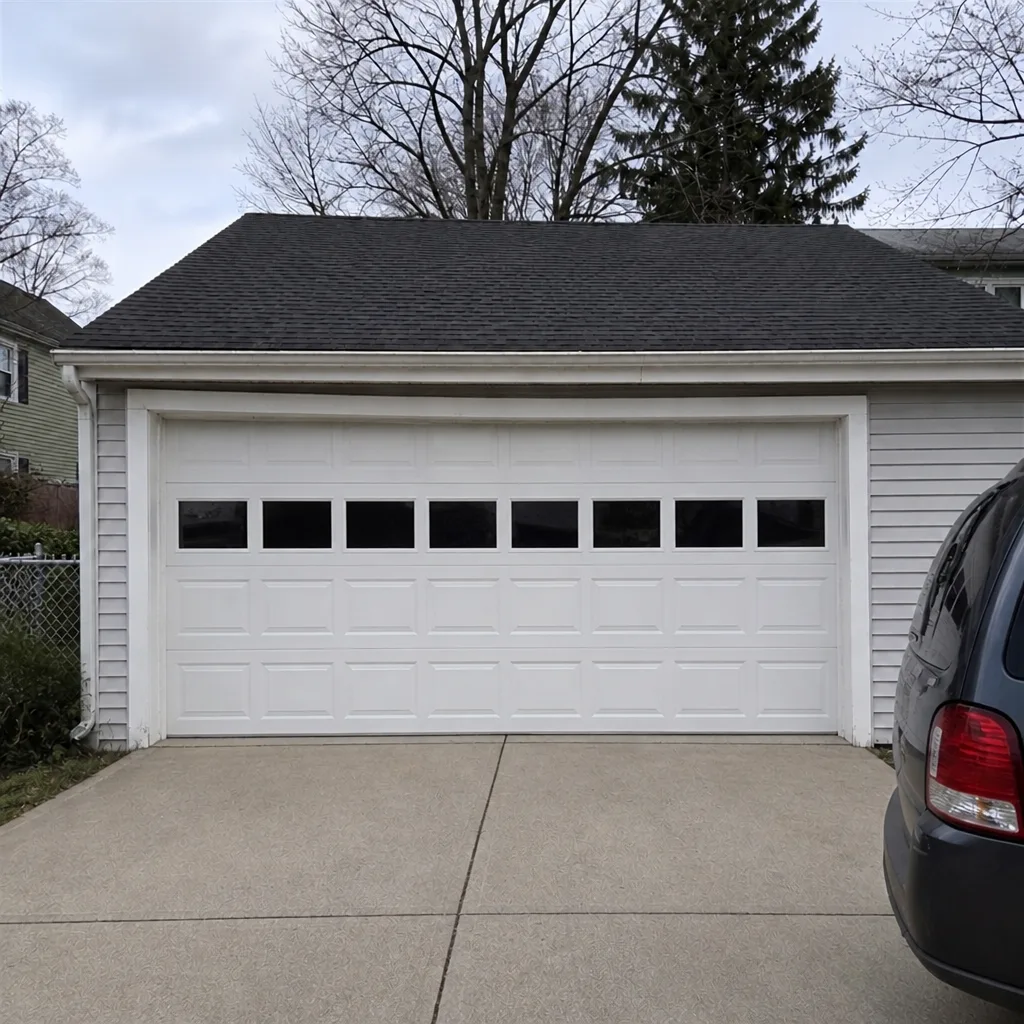
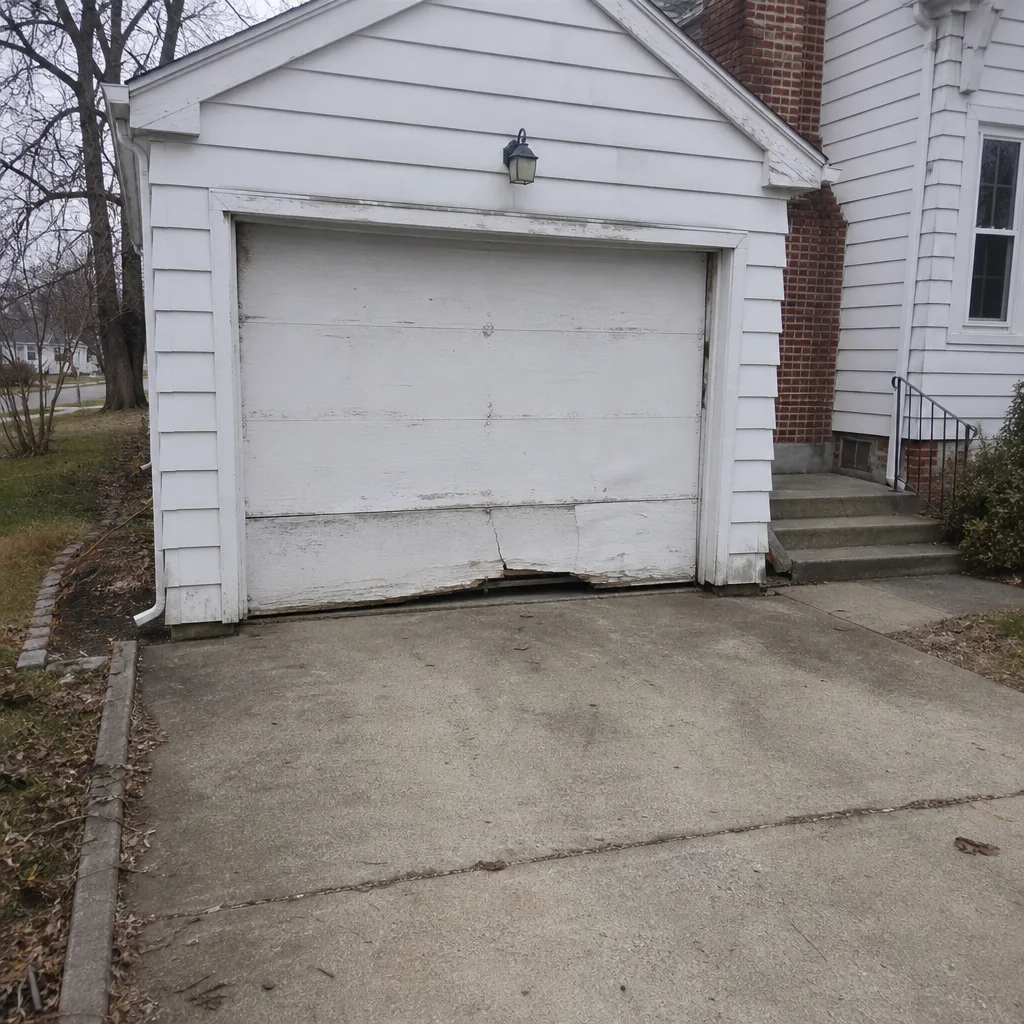
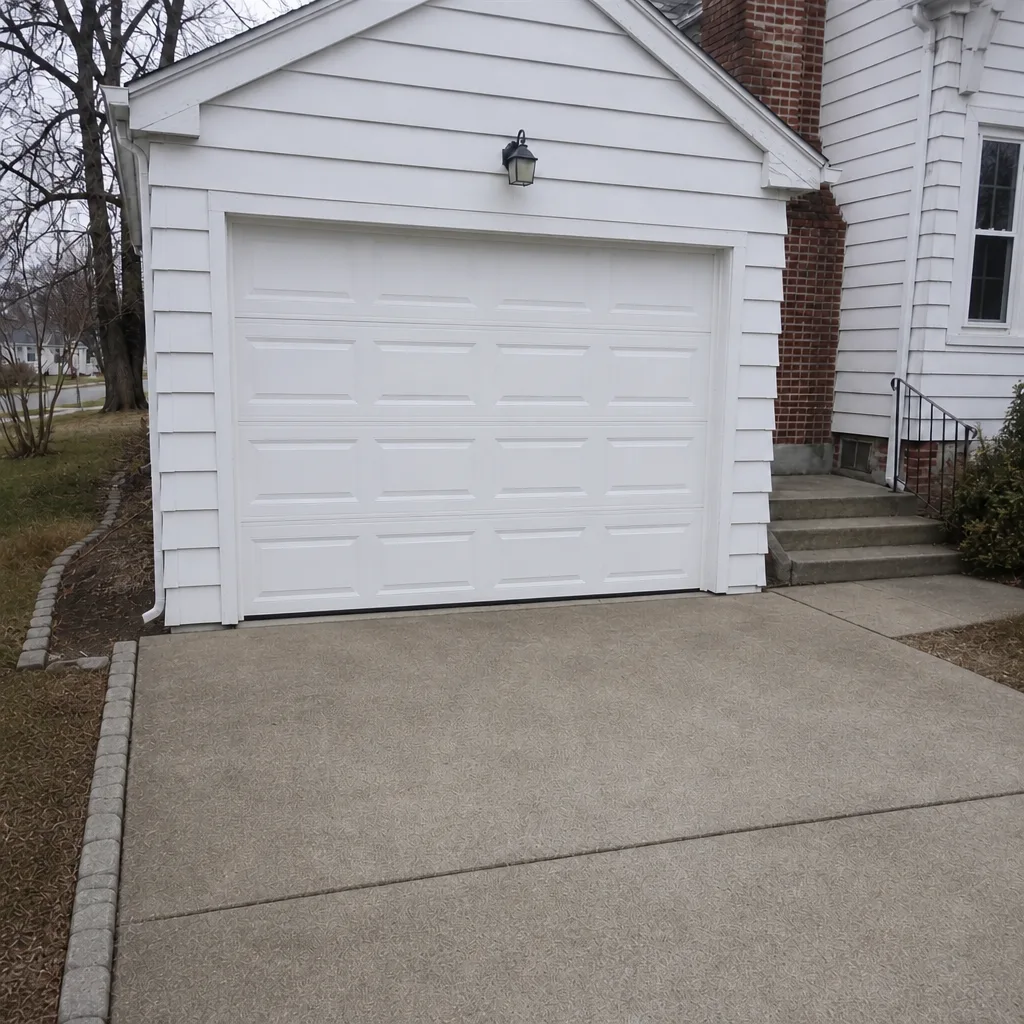
See the difference
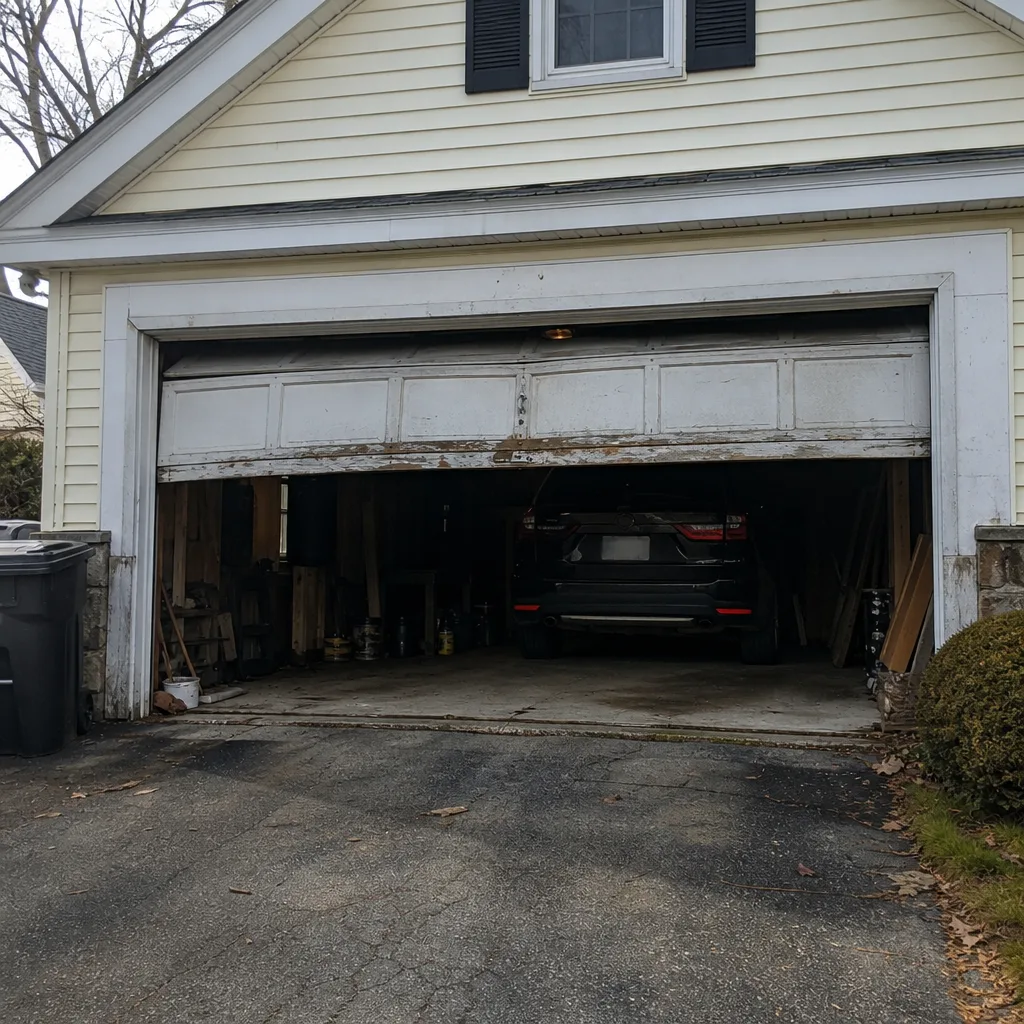 Before
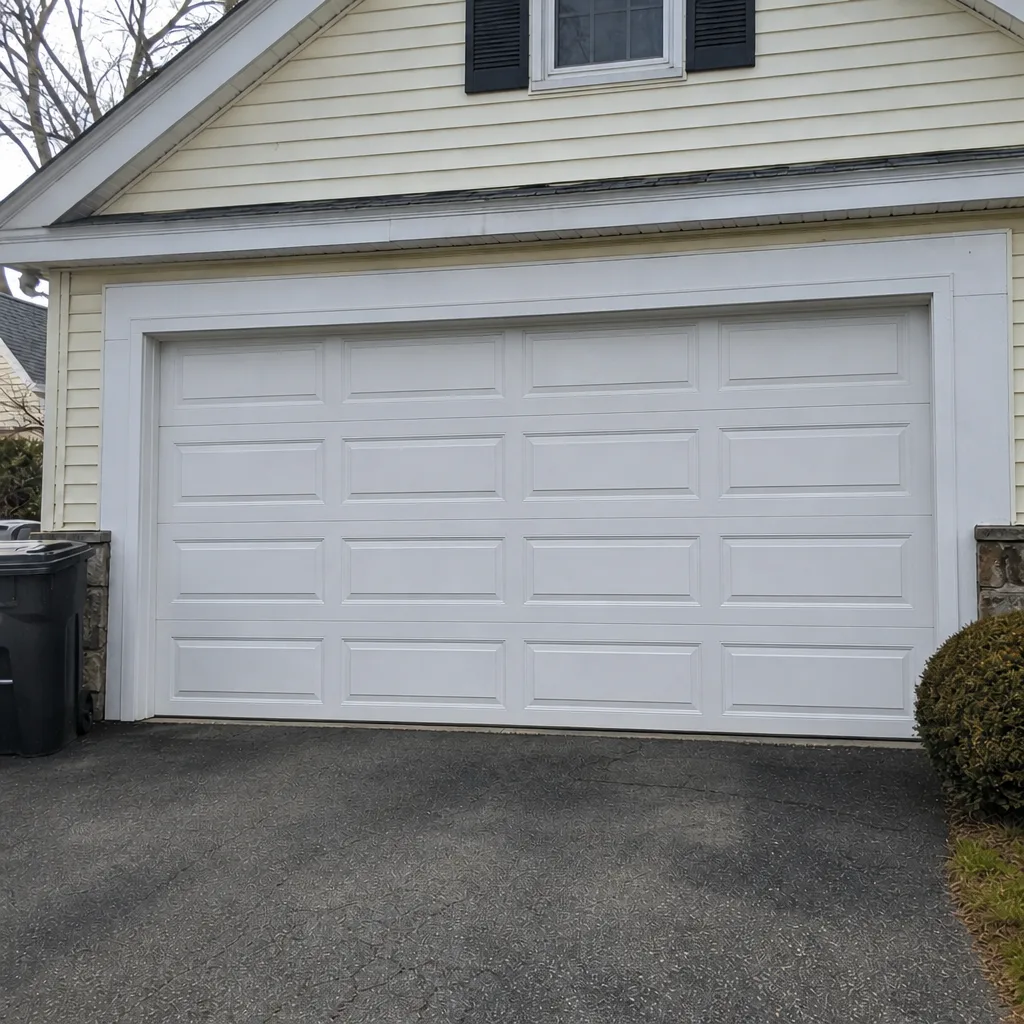 After
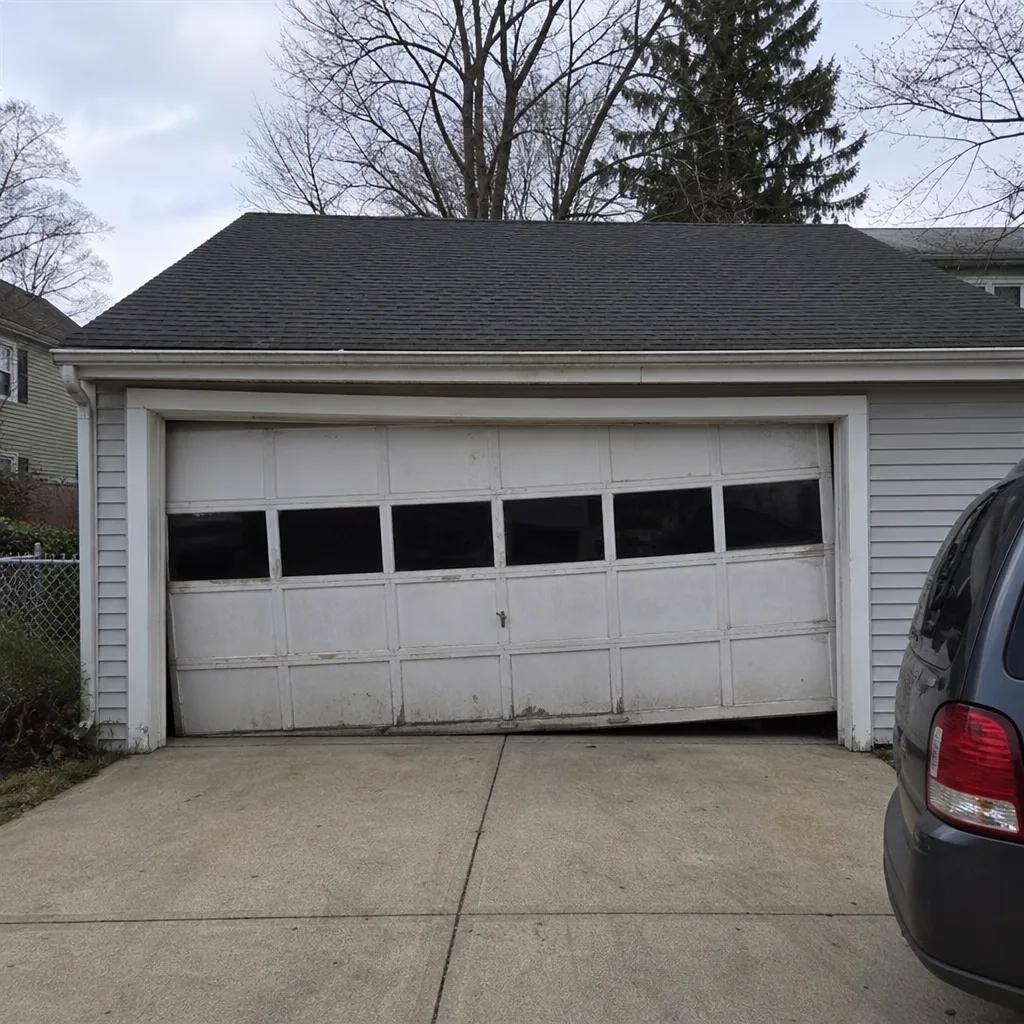 Before
 After
 Before
 After
When to Call a Professional
Some things are homeowner-friendly: cleaning tracks, lubrication, testing safety reverse, tightening brackets. Others really aren’t. Call us when the door is out of balance, when a torsion spring is visibly broken or has lost tension, when the door reverses without obstruction even after a force-limit adjustment, when the opener clicks without lifting the door, or when a hinge or bracket is bent or pulling away from the panel. Call us too if a door frozen to the floor doesn’t release with a gentle approach. Our team works on LiftMaster, Chamberlain, Genie, Clopay, Amarr, Wayne Dalton, Craftsman, and Raynor equipment, so we can usually diagnose your specific system on the first visit. Quincy Garage Door Service offers free estimates in Quincy. Call (844) 755-5234. We answer 24/7, with fast dispatch from 7am to 7pm, Sunday through Friday.
Frequently Asked Questions
Yes. The stresses on a garage door change with temperature, moisture, and use. Freeze-thaw cycling in winter stresses springs and seals; summer humidity shifts opener force limits and speeds corrosion. Matching the task to the season gets more done with less work than a single annual tune-up, which is why we organize the guide around fall, winter, spring, and summer.
Once a year is the minimum for most of Quincy, ideally in October before the freeze. If your garage is close to Quincy Bay or the Quincy Shore Drive area, twice a year is safer: once in fall and once in early summer, given the higher moisture in the air. Use a silicone or lithium garage door lubricant, and clean the tracks first.
Pull the manual release cord to take the opener out of the equation, then free the bottom edge gently with a rubber mallet or plastic scraper. Never hold the opener button down to force it, and never pour boiling water on the seal. If the door won’t release with a gentle approach, call us at (844) 755-5234.
Do a manual-release lift test: disconnect the opener, lift the door halfway, and let it go. A healthy door holds roughly in place. A door that drops, rises, or feels unusually heavy is telling you the springs have lost tension. You can also look for a visible gap in the spring coil. Don’t attempt any adjustment yourself, since torsion springs are under extreme tension and can cause serious injury.
Heat and humidity change the door’s weight slightly, and the opener’s force limit set in spring may no longer match. That triggers false reversals. The fix is a minor adjustment to the force and travel settings on your opener, done with the power off. If you’re unsure, a technician can adjust it in a few minutes.
Yes. If you’re in a neighborhood close to Quincy Bay or along Quincy Shore Drive, plan on two lubrication passes a year instead of one, and check hinges, roller stems, and track joints for surface rust every spring. Inland Quincy usually gets by with the fall-only schedule plus a check after wet winters. Our garage door repair team can advise on whether coated or galvanized replacement parts make sense for your location.
The Bottom Line
Quincy’s climate is hard on garage doors because it doesn’t give them a rest. Freeze-thaw, humidity swings, and heat all push on the same parts in different ways. The fix is a simple annual rhythm: a serious October prep, careful habits in winter, a spring inspection focused on springs and rollers, and a summer opener tune before humidity peaks. Do that, and you’ll spot most problems while they’re cheap. Skip it, and you’ll meet the same problems as winter repairs, which will take longer to schedule and cost more to fix. If any step in this guide is beyond what you want to handle, we’ve covered what we do in more detail on our garage door opener repair page and our Quincy Garage Door Service home page.
Call (844) 755-5234 for a free estimate on any garage door repair, opener issue, or replacement in Quincy. We answer 24/7, with fast dispatch from 7am to 7pm, Sunday through Friday. Our technicians have up to 15 years of experience, and garage doors are all we do.
Written by the team at Quincy Garage Door Service.