
Last updated November 16, 2026
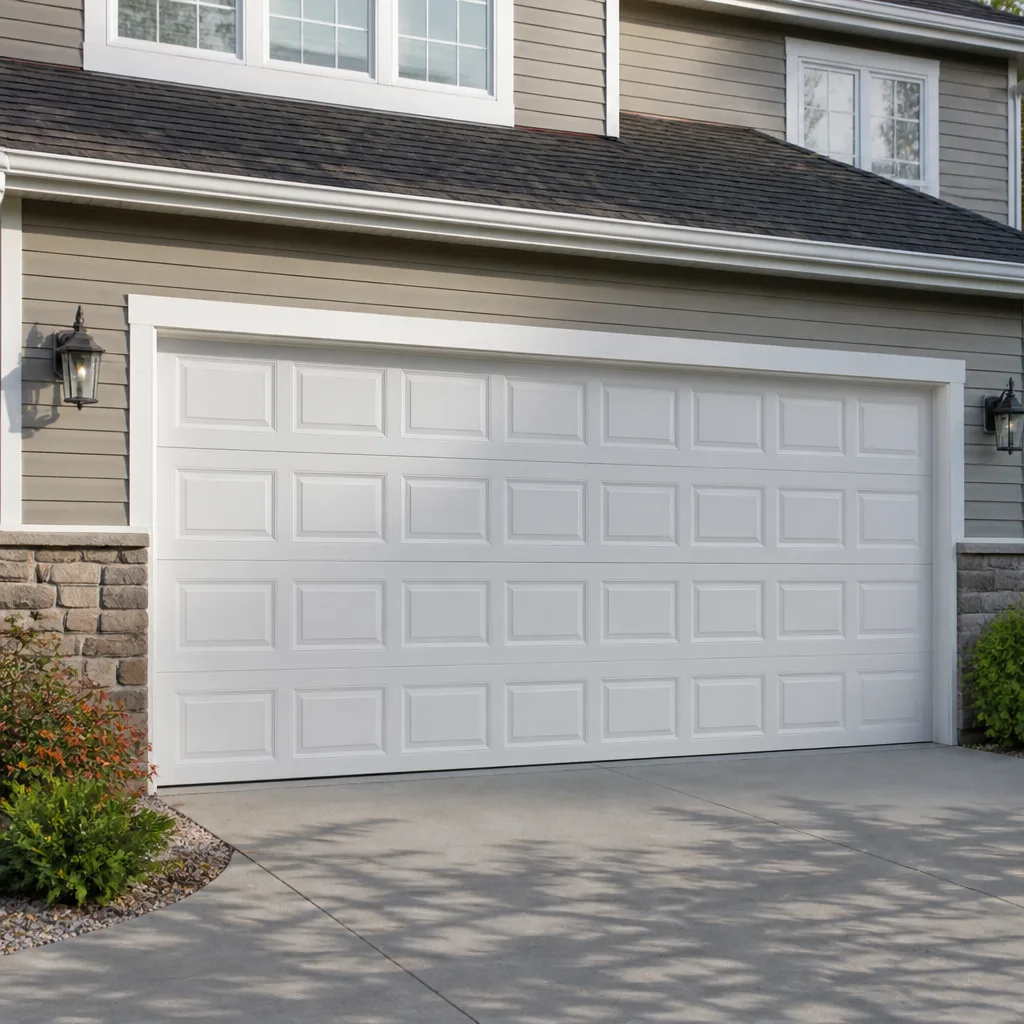 Raised-panel steel
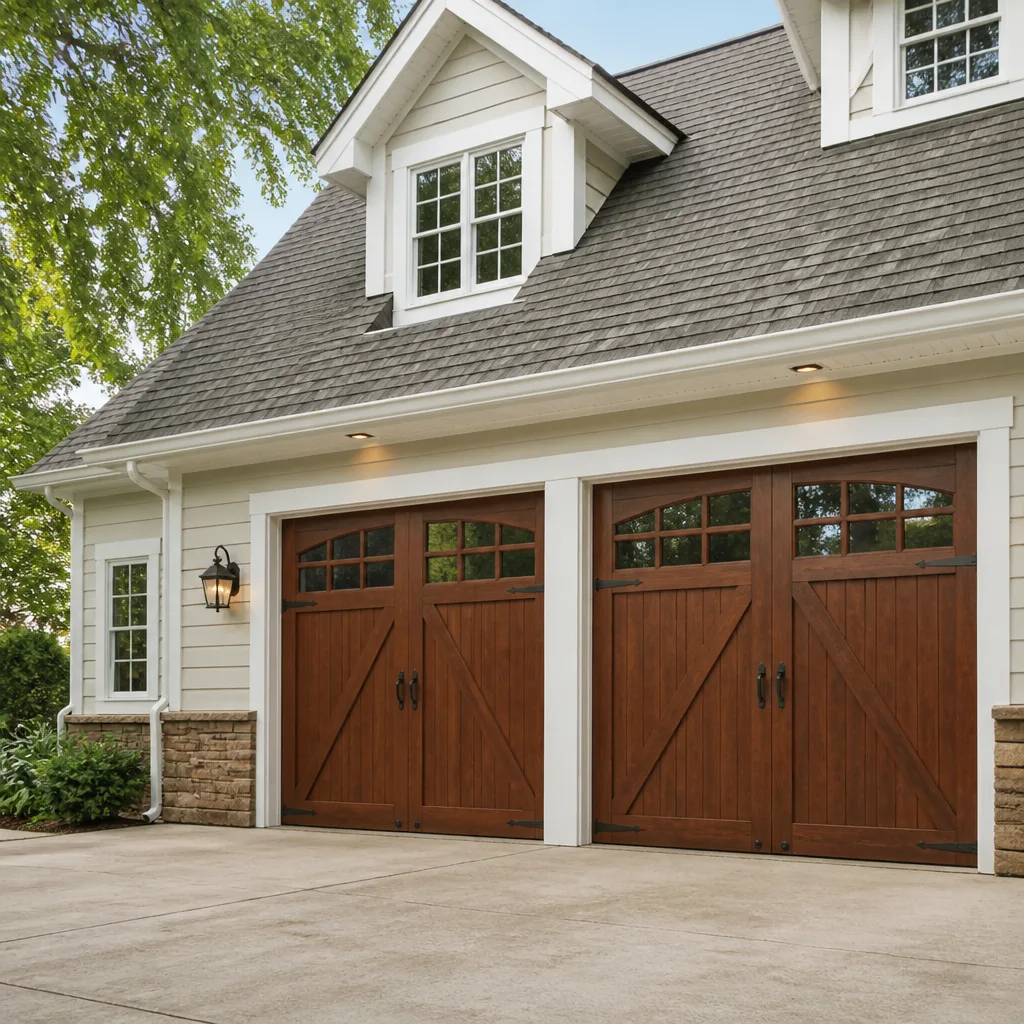 Carriage house
 Modern flush
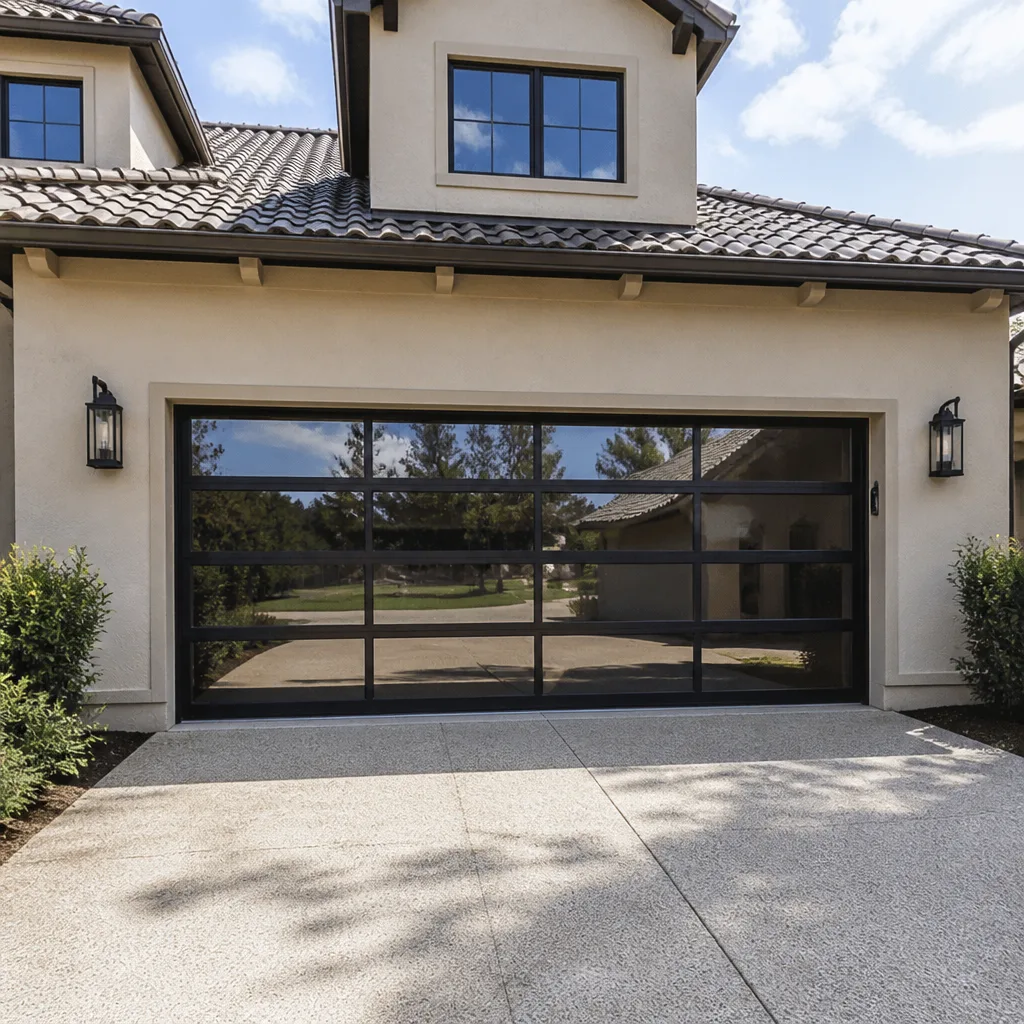 Full-view glass
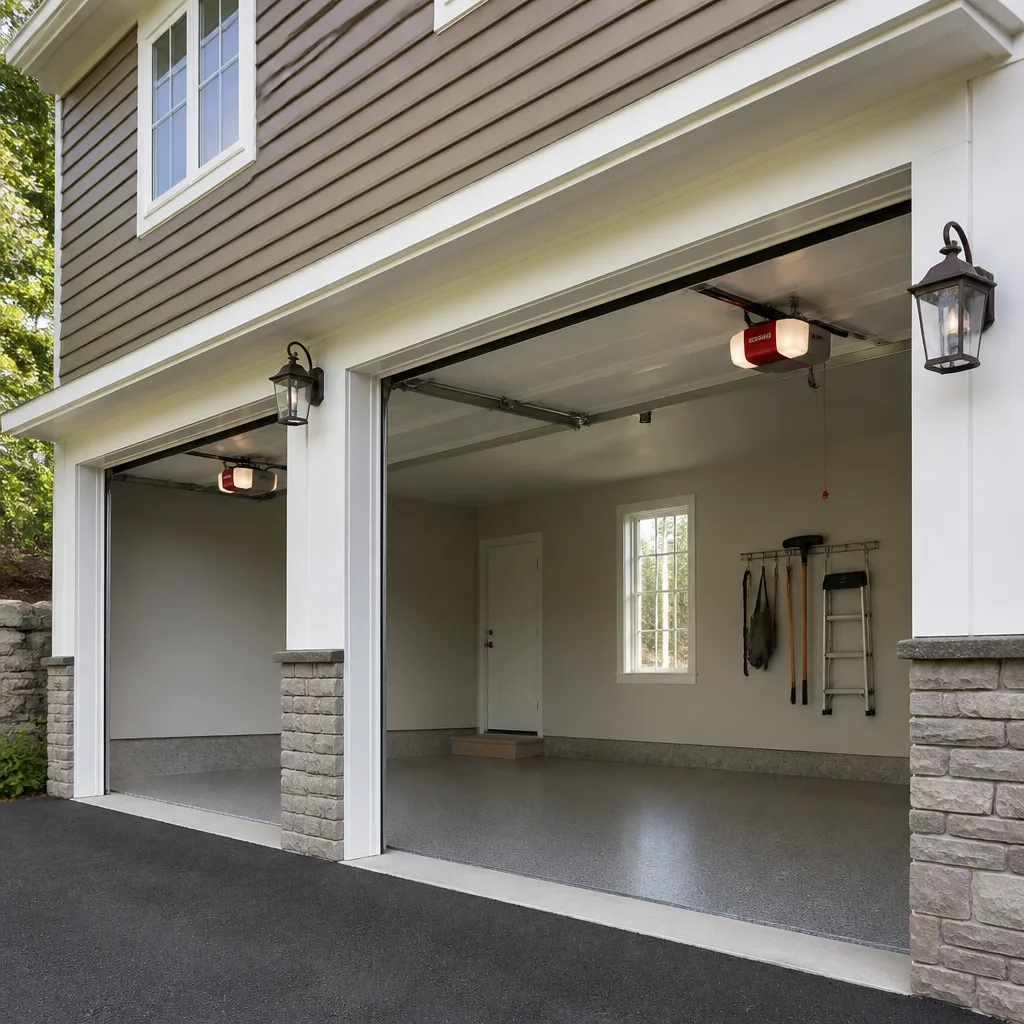 LiftMaster openers
 Chamberlain openers
Full 25-point door and opener safety check with every visit - springs, cables, rollers, tracks, and your LiftMaster or Chamberlain opener included
You get a price before we start. It does not change when the pro arrives.
Get your free estimateGarage Door Permits, Codes & Inspections in Quincy, MA: What You Need to Know
If you’re replacing a garage door in Quincy and your contractor tells you “we never pull permits for this,” that’s either correct or a liability waiting to land on you at resale. Knowing which situation you’re in matters. Most homeowners assume one of two extremes: that every garage door job needs a permit and a full inspection, or that none of it matters because it’s “just a door.” The truth sits between those poles, and where it lands depends on what’s actually being changed, how old your house is, and what’s holding the opening up. This guide walks through the Massachusetts State Building Code thresholds, how structural header work changes the picture, what Quincy’s Inspectional Services Department reviews, and how to confirm your contractor did what they said.
Quick Answer
In Quincy, a straight garage door replacement – same size opening, no structural changes – generally does not require a building permit under the Massachusetts State Building Code (780 CMR). Projects that alter the opening, add a new opening, or involve structural header work almost always do require a permit and inspection. When in doubt, the City of Quincy Inspectional Services Department is the authority that answers the question for your specific address.
Styles & brands we work with
- Raised-panel steel
- Carriage house
- Modern flush
- Full-view glass
- LiftMaster openers
- Chamberlain openers
Table of Contents
- What Triggers a Garage Door Permit Under 780 CMR?
- When You Don’t Need a Garage Door Permit in Quincy
- How Structural Header Work Changes Everything
- What Quincy Inspectional Services Actually Reviews
- Unpermitted Work and the Resale Problem
- How to Verify Your Contractor Pulled the Permit
- Quincy Neighborhood Notes and Older-Home Conditions
- The Order of Operations for a Permitted Job
What Triggers a Garage Door Permit Under 780 CMR?
The Massachusetts State Building Code sets the baseline for what counts as regulated work, and local enforcement follows it. In practice, the trigger isn’t the word “garage door” – it’s what the work does to the building structure. A permit requirement generally follows any change to the size, location, or load path of an opening, because those changes touch the structural frame of the house.
The categories below reflect how the code thresholds show up on real Quincy jobs. Every address is different, and the building department has the final word on any given project – so treat this as a map of the questions, not a substitute for the answer.
- Same-size replacement, like for like: removing an existing door and installing a new one of the same dimensions into the existing opening typically does not trigger a building permit. The opening and the framing around it aren’t being altered.
- Widening or heightening the opening: changing the rough opening almost always requires a permit, because the header above the opening has to be re-engineered for the new span.
- Adding a new garage opening to an existing wall: this is structural work and requires a permit and inspection.
- Cutting into or modifying a load-bearing wall: always permitted, always inspected.
- Electrical work for a new opener circuit: handled under electrical permitting rules, which are separate from the building permit. If new wiring or a new dedicated circuit is part of the project, ask who’s pulling that permit.
A key point homeowners miss: the door itself isn’t the code concern. The opening is. That’s why two jobs that look similar to a neighbor – one permitted, one not – can both be correct.
When You Don’t Need a Garage Door Permit in Quincy
Most residential garage door replacements in Quincy don’t need a permit, and that’s worth stating plainly because a lot of homeowners over-complicate this. If the new door goes into the same opening, the framing isn’t touched, and no structural element changes, the work is a replacement, not an alteration. That covers the majority of upgrade and replacement jobs on houses throughout the city – from a tired steel door swapped for a new Clopay model to a full opener replacement.
A straightforward replacement usually involves the following, none of which triggers a building permit on its own:
- Removing the existing door and hardware from the same opening.
- Installing a new sectional door of matching dimensions.
- Replacing springs, cables, and track in their existing positions.
- Mounting a new opener to existing framing without modifying structural members.
- Replacing rollers, hinges, and weatherstripping.
One caveat: if your home is in a historic district, or if the property has deed restrictions or homeowners association rules, there can be additional review that has nothing to do with the building code. That’s a separate conversation with the city or your association, not the building department. When we quote a replacement job in Quincy, we ask upfront whether any of those apply, because they change the timeline even when they don’t change the code question.
If you’re unsure whether your job crosses the line, the cheapest and fastest answer is a phone call to Inspectional Services. It costs nothing and settles the question for your address.
How Structural Header Work Changes Everything
Here’s where garage door work stops being simple. On older homes in Quincy, and there are plenty of them, widening an opening for a larger door or repairing a sagging header is a common part of the job. The moment the header is involved, the project is structural, and structural work in Massachusetts is permitted and inspected, every time. There’s no gray area on this one.
The header is the beam that spans the top of the garage opening and carries the load of the wall above it. When a door opening gets wider, the header has to be replaced or reinforced to handle the new span. That’s engineered work, not carpentry improvisation. The sequence on a permitted header job looks like this:
- Drawings and engineering: the project needs drawings that show the new header, its size, and how it attaches. A licensed contractor and, in many cases, an engineer prepare these.
- Building permit application: the drawings go to the City of Quincy Inspectional Services Department with the permit application.
- Rough framing inspection: once the new header and framing are in place and before anything is closed up, the inspector reviews the structure.
- Door installation: the new door goes in after the structural inspection passes.
- Final inspection: the inspector confirms the completed work matches what was permitted.
The order is not optional. A door installed before the rough framing inspection is a door that may have to come back out. On older Quincy homes, we’ve seen the awkward version of this more than once: framing covered over before inspection, then opened back up. It’s the kind of thing that’s easy to prevent with a phone call about sequencing before work starts.
If you’re planning a replacement that turns into a structural job, our garage door repair team can walk through what’s involved before anyone swings a hammer.
What Quincy Inspectional Services Actually Reviews
Homeowners often picture a garage door inspection as a technician checking the door itself – springs, opener, balance. That’s not what the city does. The inspection that comes with a building permit is a structural and code review, and it focuses on the building, not the door’s mechanical performance.
During a garage door inspection tied to a permit, the inspector is generally looking at:
- The header and framing, confirmed against the permitted drawings.
- Attachment details and load paths for any new structural elements.
- Whether the rough opening matches the dimensions on the approved plans.
- The general condition of the wall assembly around the opening.
- Compliance with the permitted scope and any other items the permit specifies.
What the inspector typically does not review: spring tension, door balance, opener limits, safety sensor alignment, or whether your LiftMaster or Genie opener is programmed correctly. Those are installation quality checks the contractor handles, not code items the city inspects. This distinction matters because homeowners sometimes expect a building inspection to catch a bad installation, and it won’t. Choose your installer for competence, not for the hope that the city will catch a shortcut.
The reverse is also worth saying: a passed inspection is not a certificate that the door works well. It confirms the building meets code. Your door’s operation is on the installers.
Unpermitted Work and the Resale Problem
Unpermitted structural garage door work tends to surface at the worst possible time: during the sale of the home. This is where the liability lands on the seller, not the contractor, and it lands hard. When a buyer’s attorney reviews the property records and finds permitted work that wasn’t inspected, or structural work with no permit at all, they flag it. The transaction slows, and the negotiation shifts.
What typically follows when unpermitted garage door structural work is discovered during a sale:
- The buyer’s attorney requests documentation that doesn’t exist.
- An inspection is requested mid-transaction, sometimes with limitations on what can be reviewed because the work is now closed up.
- The city may require a retroactive permit and inspection, with the current owner as the applicant.
- The seller absorbs the cost of remediation or negotiates it into the sale price.
- In the worst case, a structural correction is required before the sale closes.
None of this is hypothetical. It’s a common enough scenario that real estate attorneys in Massachusetts routinely check permit history on structural work as part of their file review. The cleanest protection is simple: pull the permit when the job calls for one, and keep the documentation with your home records.
If you’ve inherited a home in Quincy with garage door work that may not have been permitted, the concern is legitimate. A conversation about the state of the header and framing is worth having before you list the house, not after a buyer’s attorney raises it.
How to Verify Your Contractor Pulled the Permit
Here’s the part of the guide that gets the least attention and saves the most trouble: the permit that gets promised and the permit that gets pulled are not always the same thing. Homeowners hand over the deposit, the work gets done, and nobody checks the record until years later. You can verify it in a short amount of time, and you should.
The verification process is straightforward:
- Ask for the permit number before work starts. A contractor who pulled the permit will have the number on file and will share it. Vague answers are a red flag.
- Look up the permit on the City of Quincy’s public permit lookup. Quincy’s online permit records let you search by address or permit number. Confirm the permit exists, the scope matches, and the status is active or issued.
- Confirm who the applicant is. The permit should show the contractor who’s doing the work, or you, if you’re the permit holder. If it shows a name you don’t recognize, ask why.
- Confirm the inspection appointments are scheduled. The permit is a piece of paper. The inspection is the part that gives it value.
- Request a copy of the final inspection sign-off when the job ends. Keep it with your home records along with the door documentation.
Our technicians have up to 15 years of experience across eight of the most widely installed door and opener brands, and the permit conversation comes up often on Quincy jobs. Our position is simple: if the job needs a permit, the permit is part of the job. If it doesn’t, we say so and explain why. The written estimate helps here too – it spells out the scope so you can match it against the permit if one is pulled. Whether your door needs a repair or a full replacement, knowing the permit status gives you an answer rather than a guess.
For the broader picture on installation and replacement work in this market, our Quincy service page is a good starting point.
Quincy Neighborhood Notes and Older-Home Conditions
Quincy is a city of housing stock that spans a wide range of ages, and that range shapes which garage door projects turn into structural jobs. Homes in Wollaston and Quincy Center often date to eras when garage openings were sized and framed differently than today’s standard, and remodeling them for a modern door sometimes means touching the header. In West Quincy and Quincy Point, the pattern runs similar. The result is that “same-size replacement” is sometimes less straightforward in Quincy than it is in newer construction, which is exactly why the permit question has to be answered job by job rather than answered in general.
The local climate matters too, though not in the way people assume. Quincy’s freeze-thaw cycles over the winter and wet spring weather put a lot of stress on the wood and metal around garage openings. On older homes, that stress shows up as sagging headers, rot at the base of the framing, and out-of-square openings. When an opening is out of square, a straight replacement often becomes a framing correction, and the framing correction is what triggers the permit. This is a pattern we see on Quincy jobs with real regularity: the door fails, the owner calls for a replacement, and the actual fix involves the structure around the opening, not just the door.
What that means for the homeowner:
- Before ordering a new door, have the opening checked for square, header condition, and rot.
- If structural repair is needed, plan for a permit and inspection rather than treating it as a surprise later.
- Budget the timeline accordingly – a permitted job has inspection steps that unpermitted work doesn’t, and the schedule reflects that.
It’s also worth a look at our garage door opener repair page if the opener is failing at the same time. Opener problems and door problems often appear together, and getting a clear read on which is which saves a wasted call.
The Order of Operations for a Permitted Job
When a garage door job in Quincy does require a permit, the sequence is fixed and every step depends on the one before it. Understanding the order helps you know what to expect, what to ask, and when to worry that something has been skipped.
- Assess the opening. Determine whether the opening is square, whether the header is sound, and whether the door swap is truly same-size.
- Decide on scope. If the assessment is a straightforward replacement, no permit. If structural work is involved, plan the permit in.
- Prepare drawings if required. For structural work, the drawings show the new framing, header size, and attachment details. This is where a licensed contractor and possibly an engineer come in.
- Apply for the building permit. The application goes to the City of Quincy Inspectional Services Department with the drawings and the fee.
- Wait for approval. Work doesn’t start before the permit is issued.
- Do the structural work. Framing, header, and any wall modifications are completed and left open for inspection.
- Rough framing inspection. The inspector reviews the structural work before it’s closed up.
- Install the door. The door and hardware go in after the structural inspection passes.
- Final inspection. The inspector signs off on the completed work.
- Keep the documentation. Permit number, inspection sign-offs, and the door model and brand information go into your home records.
The key point for the homeowner’s timeline: a permitted structural job takes longer than a straight replacement because approval and inspections sit between the steps. Get a measure and a written price up front, so you know what you’re scheduling and what’s included. On a permitted job, the permit handling and inspection coordination are part of what the contractor does, and the written estimate should make that clear.
Our specialization matters here. Garage doors are all we do – installation, mechanical repair, and opener work – so the framing checks and permit sequencing are familiar territory rather than an add-on to a general construction schedule. We’re factory-familiar with brands including Amarr, Wayne Dalton, Clopay, and Genie, which means the brand-agnostic guidance you get is about what fits your opening, not which name we’re pushing. We know your brand, and we’ll tell you when it changes the plan.
Common Mistakes to Avoid
- Assuming every replacement needs a permit. The majority of same-size replacements in Quincy don’t. Over-permitting a job that doesn’t need one adds cost and delay. It happens more than you’d think, usually because someone was told “permits for everything” as a rule of thumb.
- Assuming no replacement ever needs one. The opposite error is more expensive. Widening an opening or repairing a header without a permit is structural work done off the record, and the record is what the city and the buyer check.
- Skipping the opening assessment before ordering. If the header is sagging or the opening is out of square, ordering a new door for the opening you have assumes it’s the opening you’ll get. On older Quincy homes, that assumption fails often enough to check first.
- Treating the permit as paperwork rather than a process. The permit is only half the value. The rough framing inspection before the work is closed up is the half that matters, and it only happens if the sequencing is planned.
- Relying on the building inspection to catch installation problems. The city reviews structure, not door mechanics. Spring tension, balance, and opener programming are the contractor’s responsibility, and a passed inspection doesn’t vouch for them.
- Never verifying the permit number. If a contractor says they pulled the permit, the City of Quincy’s permit lookup answers the question in a minute or two. Homeowners who don’t check find out at resale.
- Assuming a historic designation doesn’t apply. Buildings in a historic district have review that’s separate from the building code, and it catches homeowners off guard. Ask before ordering rather than after.
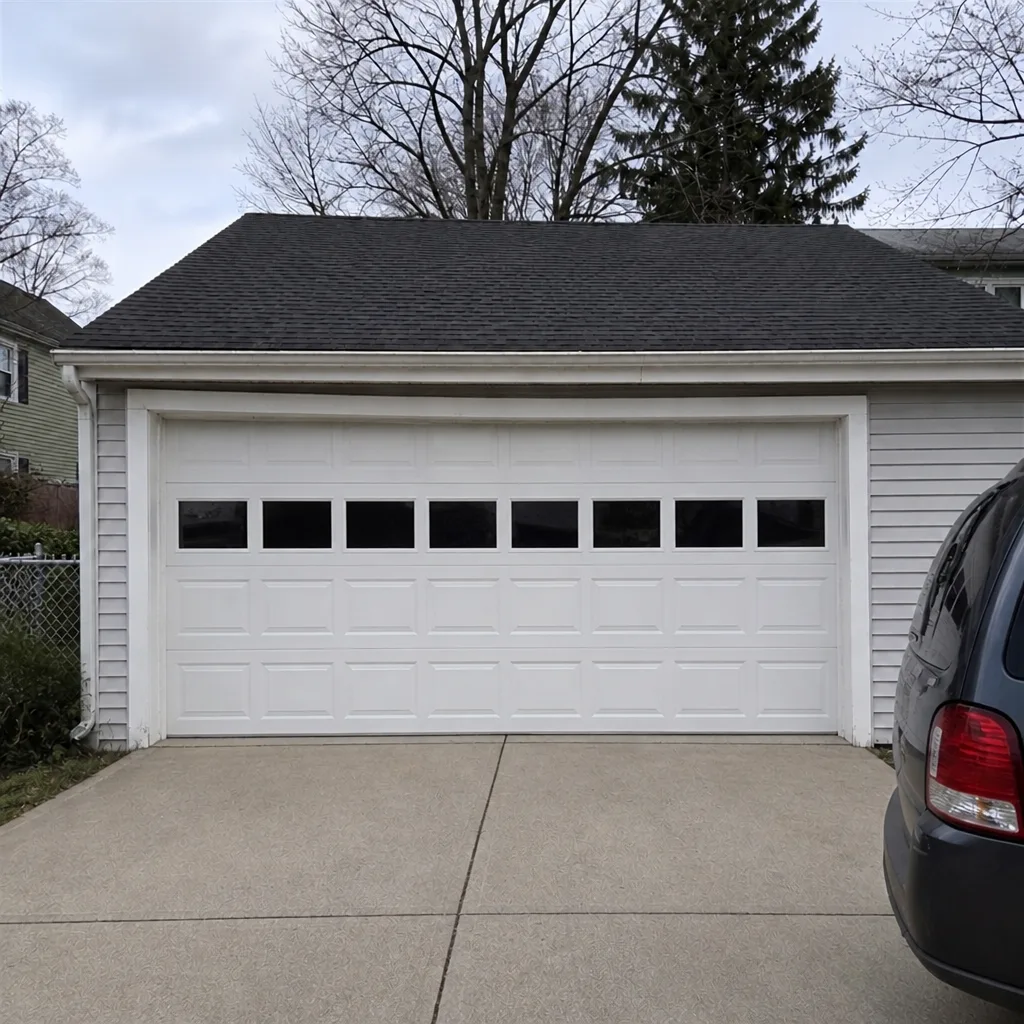
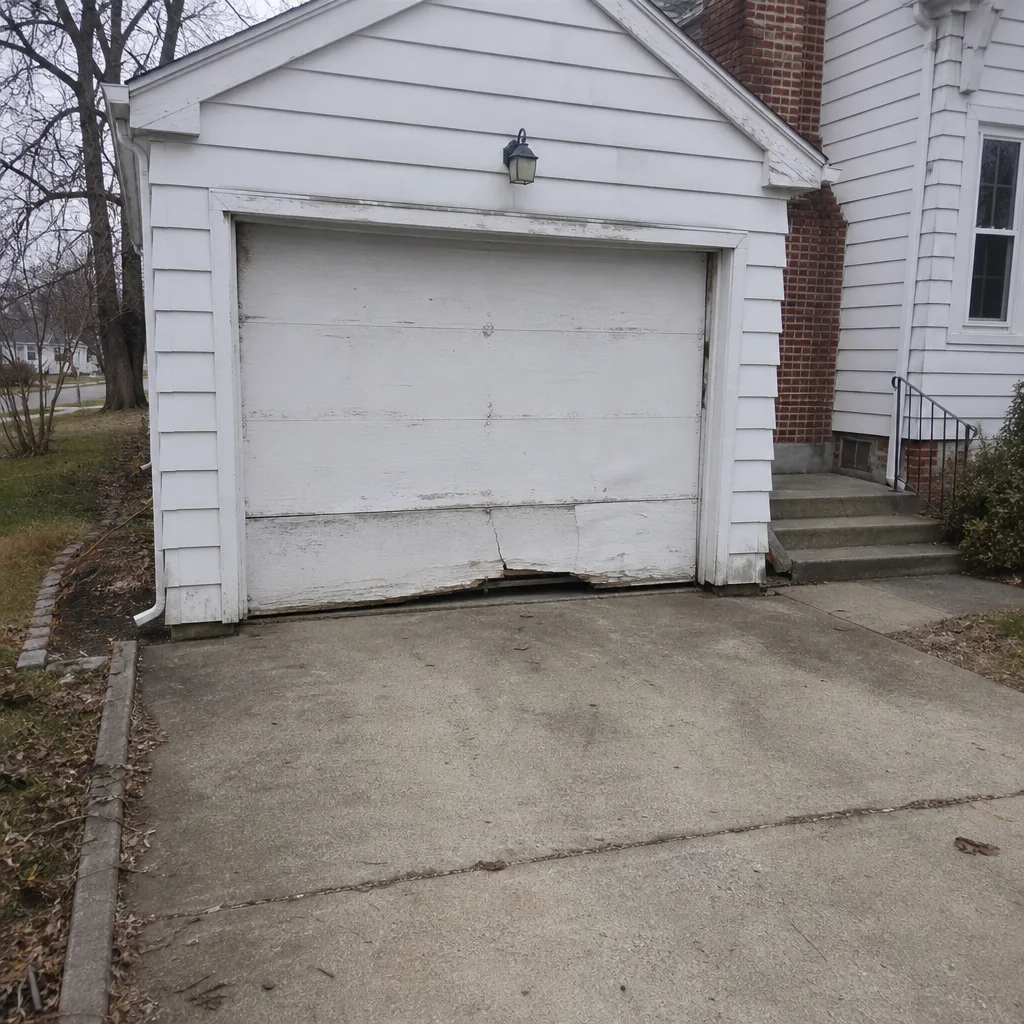
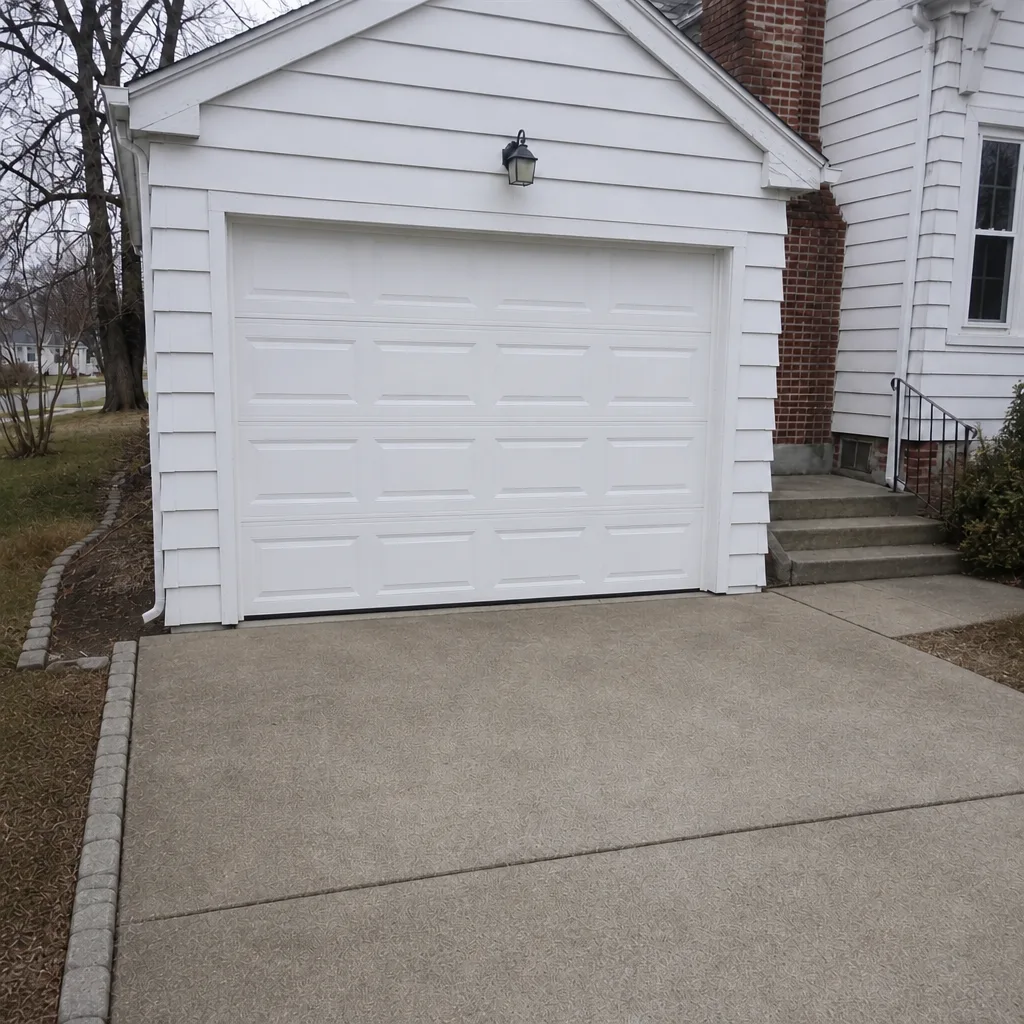
See the difference
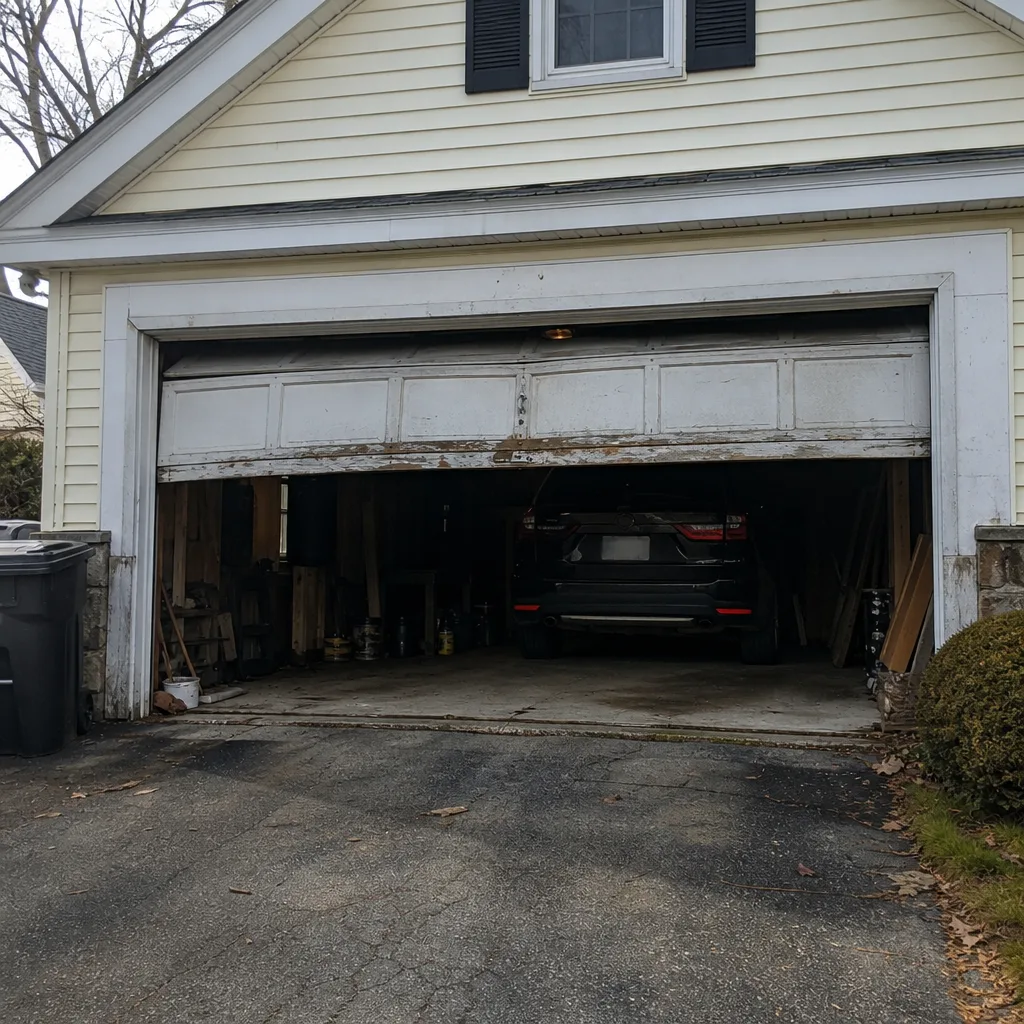 Before
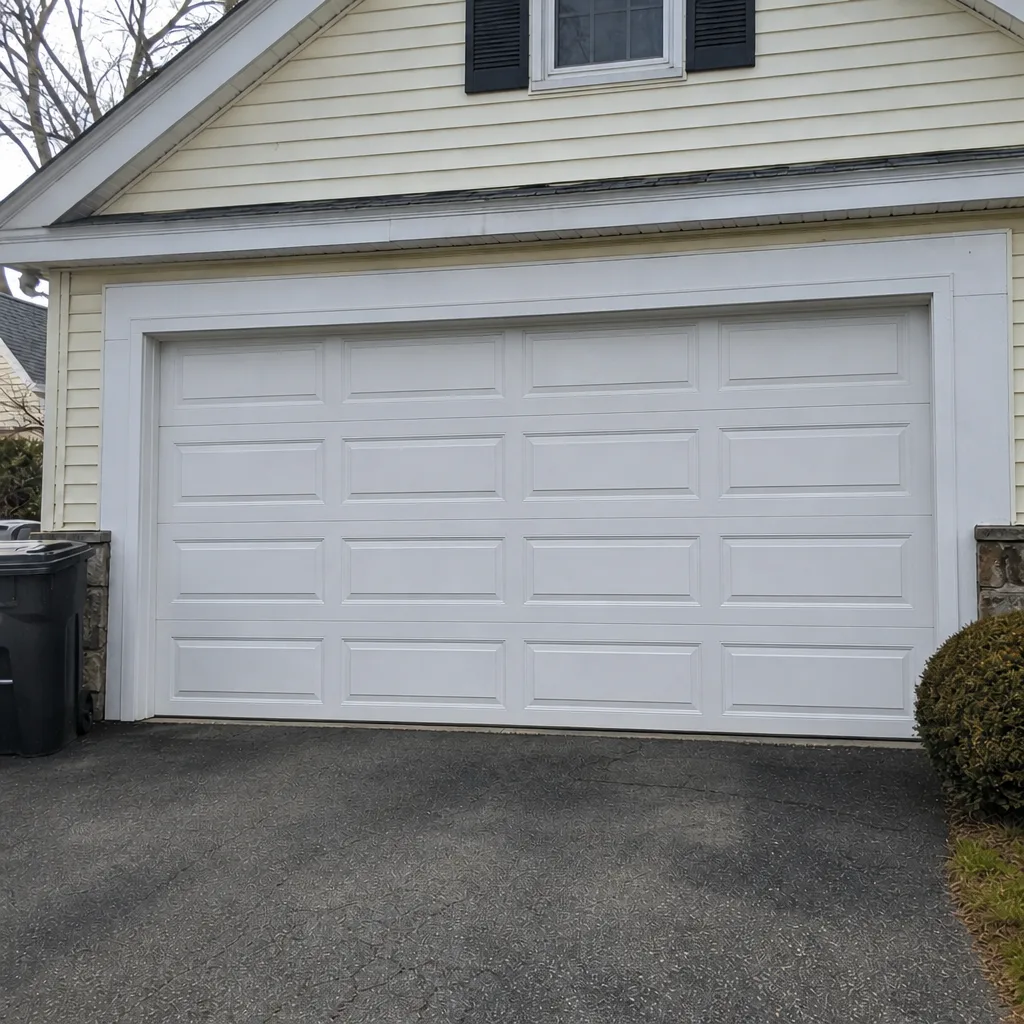 After
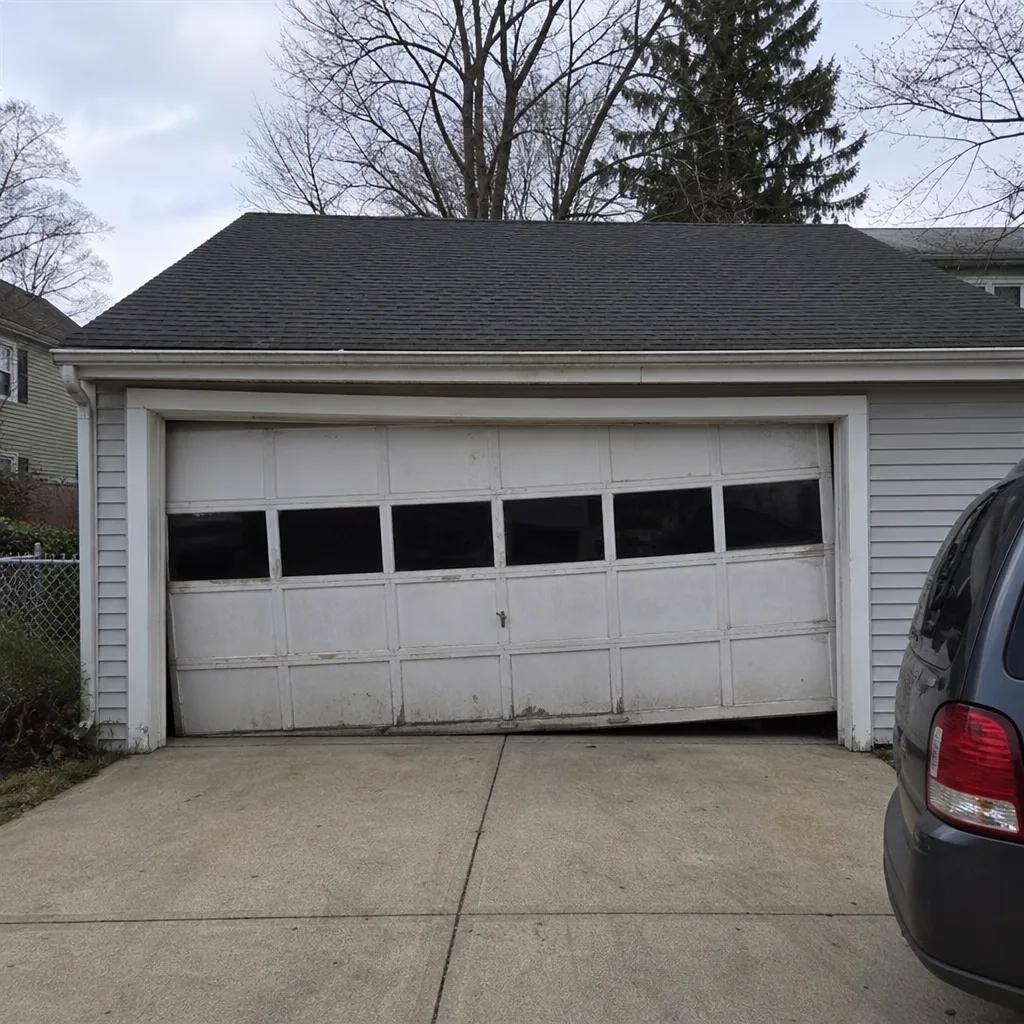 Before
 After
 Before
 After
When to Call a Professional
There are specific points in this process where a professional call is not optional. Any structural work involving the header – widening an opening, repairing sagging framing, correcting out-of-square conditions – should be assessed by a competent contractor before work begins, not after parts are ordered. Garage door springs and cables are under high tension and are genuinely dangerous to handle without proper tools and training, and an opener that cycles erratically or reverses intermittently should be looked at before the door is operated again. On the permit side, the right call is often a phone call to the Inspectional Services Department to settle the question for your address, then a call to us for the work itself. Quincy Garage Door Service offers free estimates in Quincy – call (844) 755-5234. We answer 24/7. Fast dispatch from 7am to 7pm, Sunday through Friday.
Frequently Asked Questions
In most cases, no. Replacing a garage door in Quincy with one of the same size, into the same opening, with no structural changes, generally doesn’t require a building permit under the Massachusetts State Building Code. If the opening is altered or structural work is involved, a permit and inspection are almost always required. Call (844) 755-5234 for an exact quote on the work – estimates are free.
Structural changes to the opening trigger a building permit under 780 CMR. Widening an opening, adding a new opening, modifying a load-bearing wall, or replacing or reinforcing a header all require a permit and an inspection. A straight replacement of a door into an unchanged opening normally does not. The City of Quincy Inspectional Services Department has the final say for any specific address.
No – the written estimate sets the price, and the price is quoted and agreed before any work starts. What can change the scope is the discovery of a structural condition that turns a replacement into a framing job. That’s presented as a separate written scope with its own price before anything proceeds. Call (844) 755-5234 for an exact quote – estimates are free.
Our technicians have up to 15 years of experience and we’re insured, and every job is quoted in writing before work begins. We connect homeowners with independent local professionals who perform the work. For the specific credentials a permit requires on your project, ask the Inspectional Services Department what they need to see on the application.
Look up the permit by address or permit number on the City of Quincy’s public permit lookup. Confirm the permit exists, that the scope matches the work being done, that the applicant matches the contractor you hired, and that the inspection appointments are scheduled. If any of those don’t line up, ask before work continues.
It covers structure and code compliance, not door mechanics. The inspector reviews the header, framing, attachment details, and whether the work matches the permitted drawings. Spring tension, door balance, and opener programming are not part of the city inspection, so quality checks on those are on the installer. That’s why the installer’s competence is the part you should weigh most carefully.
The Bottom Line
The permit question for garage doors in Quincy comes down to one line: same-size replacement, no permit; structural change, permit and inspection. The confusion comes from applying that line in general instead of to the address. Older homes in Wollaston, Quincy Point, and West Quincy are where the line blurs, because a straight replacement can become a framing job once the opening is measured. The practical checklist is short: assess the opening before ordering, ask the city when you’re unsure, confirm the permit number on the public lookup if one is pulled, and keep the documentation where the buyer’s attorney will find it. None of that requires expertise in the code. It requires asking the right question at the right time. Call (844) 755-5234 for a free estimate on the work itself. We answer 24/7. Fast dispatch from 7am to 7pm, Sunday through Friday.
Written by the team at Quincy Garage Door Service.