
Last updated November 16, 2026
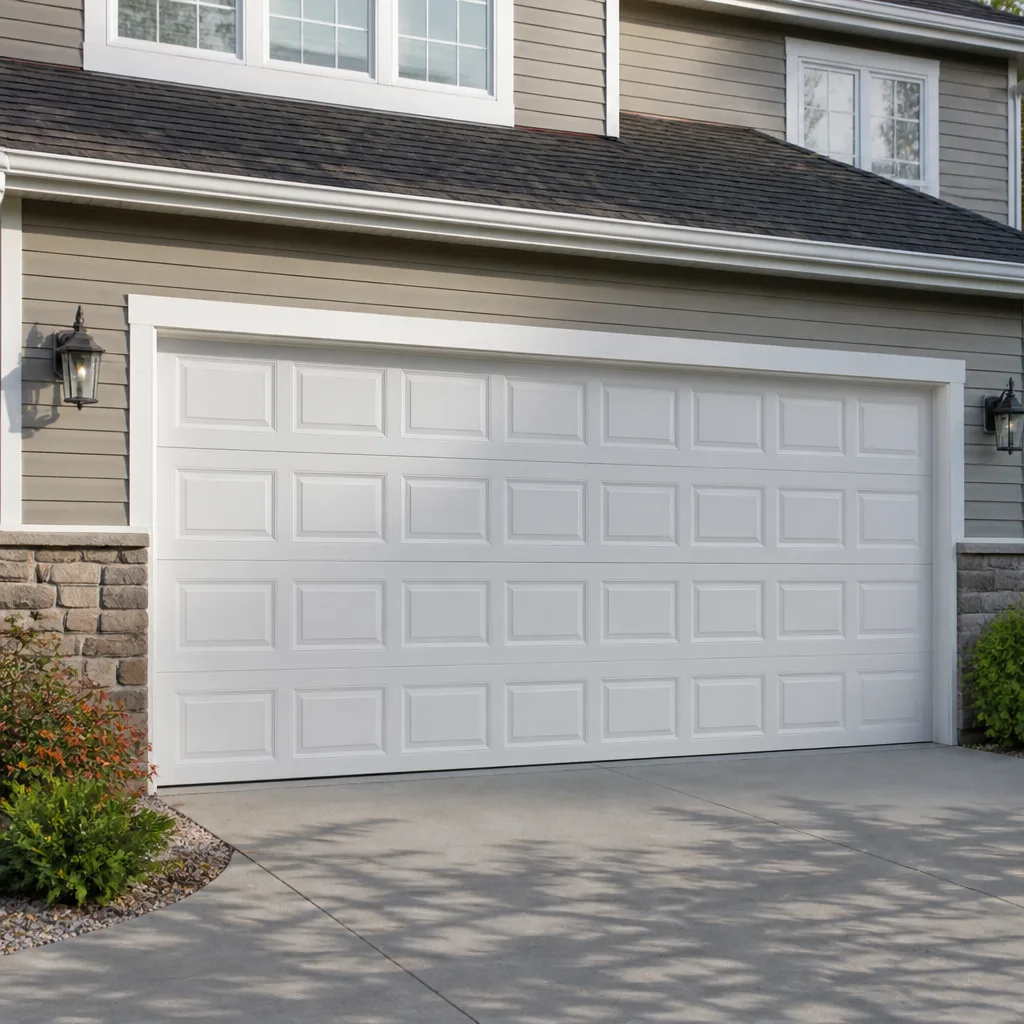 Raised-panel steel
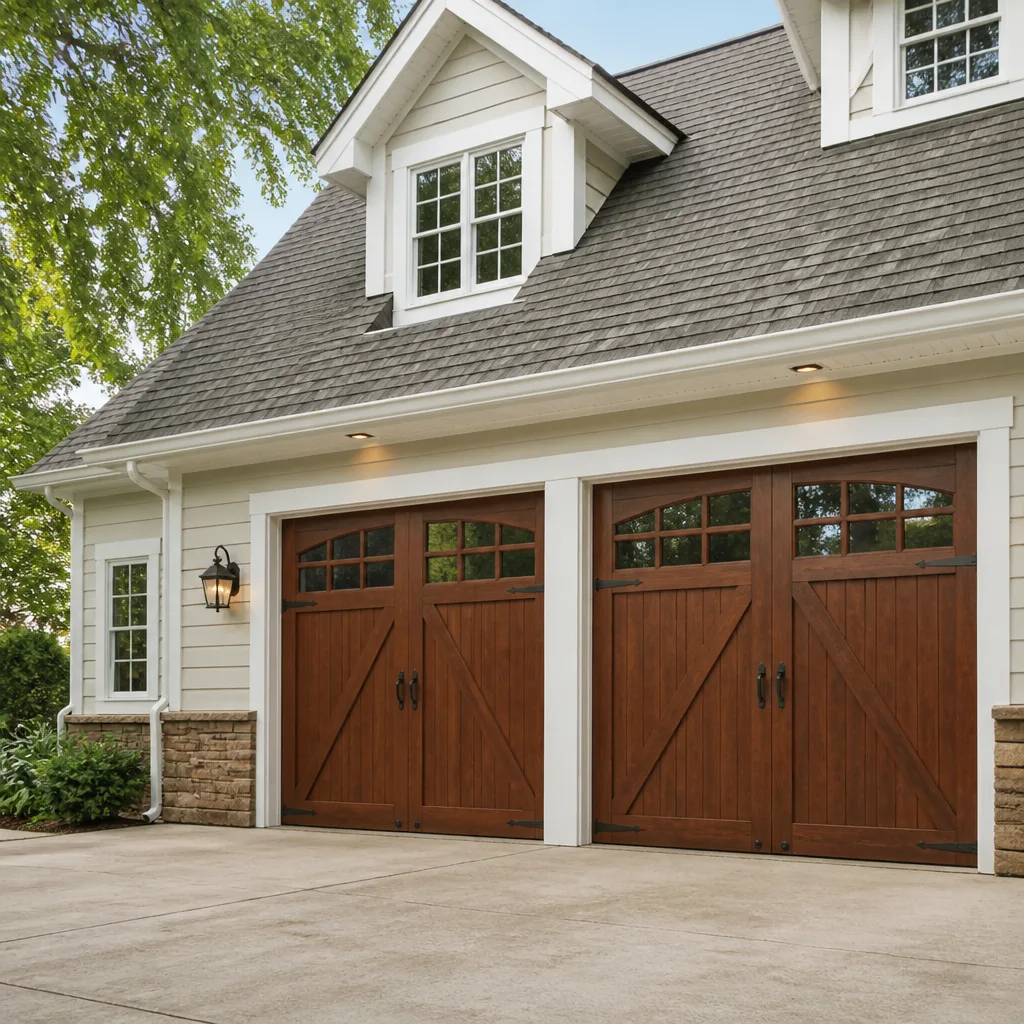 Carriage house
 Modern flush
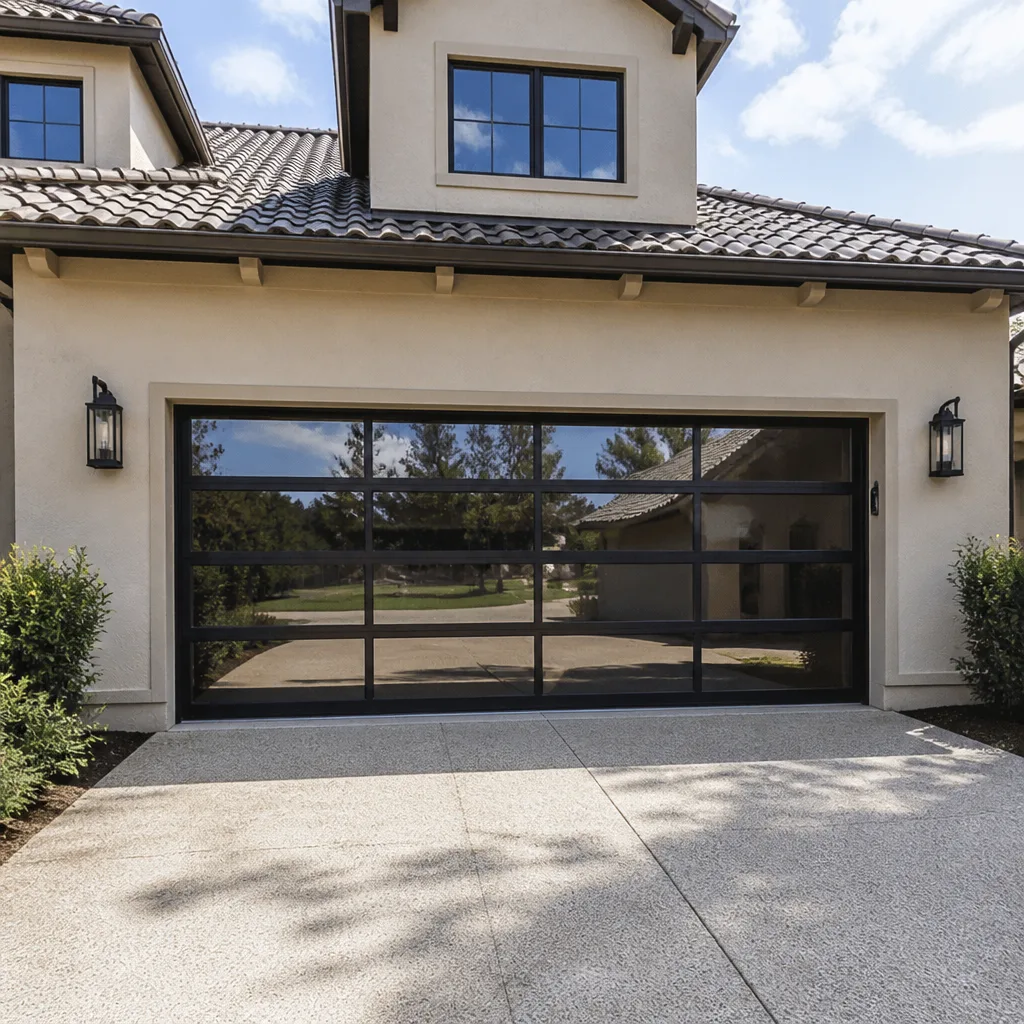 Full-view glass
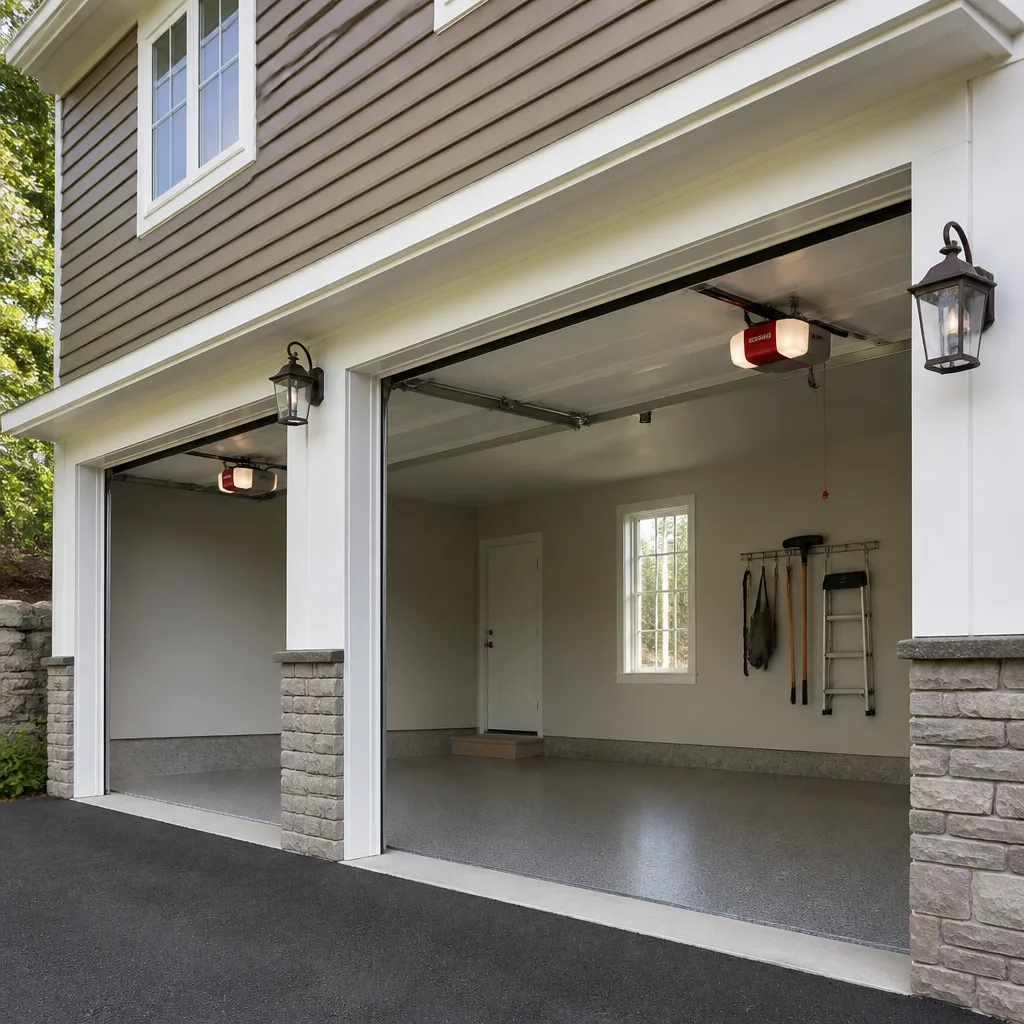 LiftMaster openers
 Chamberlain openers
Full 25-point door and opener safety check with every visit - springs, cables, rollers, tracks, and your LiftMaster or Chamberlain opener included
You get a price before we start. It does not change when the pro arrives.
Get your free estimateGarage Door Repair Maintenance Checklist for Quincy Homeowners
The call that fills our schedule every February isn’t the dramatic broken spring. It’s the door that grinds to a stop because nobody touched the moving parts since the previous spring. Even a Craftsman or LiftMaster system that has run clean for years will seize when New England humidity and road grit turn old lubrication into paste. The frustrating part is that most of this work takes minutes, not hours. What follows is a checklist ranked the way a technician ranks it: by what fails first on Quincy doors and what each failure costs to put right. You’ll learn which lubricants help and which quietly wreck rollers, how to spot a torsion spring on its way out without touching it, why the bottom seal fails before the sides, and how to time the work to Quincy’s seasons instead of a generic twice-a-year reminder.
Quick Answer
A solid garage door maintenance routine for a Quincy home means lubricating springs, rollers, and hinges with a purpose-made garage door lubricant, checking the bottom weather seal, balancing the door by hand, and inspecting cables and drums for wear at least four times a year. Most of it takes fifteen minutes and costs almost nothing. The jobs homeowners should never take on themselves – spring tension, cable replacement, and any repair above head height under load – belong with a trained technician, because those parts store enough energy to cause serious injury.
Styles & brands we work with
- Raised-panel steel
- Carriage house
- Modern flush
- Full-view glass
- LiftMaster openers
- Chamberlain openers
Table of Contents
- Why Quincy Doors Fail Differently Than the Generic Checklist Says
- The Right and Wrong Lubricants for Springs, Rollers, and Hinges
- How to Read a Torsion Spring Without Touching It
- Bottom Weatherstripping: Quincy’s Weak Point
- Cable and Drum Wear Patterns Homeowners Miss
- A Maintenance Calendar Built Around Quincy’s Seasons
- Testing Balance and Alignment Safely
- Opener and Safety-Reverse Checks
Why Quincy Doors Fail Differently Than the Generic Checklist Says
Most maintenance lists floating around the internet were written for a mild, dry climate where a door opens twice a day and never sees a real freeze. Quincy isn’t that. The humidity swings from sticky summer air to a hard winter freeze, and that cycle works on a garage door’s moving parts in specific ways. Metal contracts in the cold and expands in the heat. Lubricant that was fine in July stiffens by January and stops doing its job right when the door needs it most.
Quincy’s housing stock matters too. Many homes here sit on tight lots where the garage faces the street and takes the full brunt of weather, snow melt, and the sand and grit that get tracked in off the road. That grit works its way into tracks and roller bearings, and it grinds quietly until something gives. Older doors in established Quincy neighborhoods often run original steel rollers that have never been swapped for nylon, and those steel rollers wear the track along with them.
What this means for your checklist is simple. You’re not maintaining a door in a vacuum. You’re maintaining it against a specific local pattern of freeze, thaw, humidity, and grit. The order of priority below reflects what actually fails first on Quincy doors, not what sounds tidy on a generic list.
- First to fail: lubrication and bottom seals. Cheap to fix, expensive to ignore.
- Second: rollers, hinges, and track alignment. Moderate cost to correct once caught early.
- Third: cables and drums. Rarely a homeowner job, always worth a trained eye.
- Last – but most serious: torsion springs. The part that stops a door dead and the one you should never touch.
The Right and Wrong Lubricants for Springs, Rollers, and Hinges
Use a purpose-made garage door lubricant – a lithium- or silicone-based spray, or a dedicated door lubricant – on springs, hinges, and roller bearings. Skip general-purpose household oils, cooking spray, and especially anything sticky like heavy grease, which attracts grit and thickens in cold weather. The wrong product doesn’t just fail to help. It can actively accelerate wear, and in New England humidity it attracts dust that turns into an abrasive paste inside bearings and hinges.
Here’s what we tell homeowners to reach for, and what to leave on the shelf:
- Use: a garage-door-specific spray lubricant rated for cold weather, applied sparingly to torsion springs, hinge pivot points, and the bearing plates at the ends of rollers.
- Use sparingly: a dry silicone spray on the tracks themselves – a light wipe, not a soak, so grit doesn’t collect.
- Avoid: WD-40 as a long-term lubricant. It’s a decent cleaner and water displacer, but it isn’t built to stay put under a door’s load and heat.
- Avoid: white lithium grease in a tube applied thick. It gums up in the cold and traps grit.
- Avoid: motor oil, cooking oil, and any product that stays wet and tacky.
The practical rule: a little, often, and the right product. A door running a LiftMaster or Chamberlain opener cycles dozens of times a week, and each cycle works the same small set of pivot points. On a LiftMaster or Chamberlain setup the mechanical wear is the same as any other brand – only the opener electronics differ. So the lubricant discipline applies no matter what’s pulling the door. Five minutes with the right can in early autumn is what keeps a door from seizing when the first hard freeze arrives.
How to Read a Torsion Spring Without Touching It
You can judge a torsion spring’s condition entirely by eye and ear, with your hands off. Torsion springs sit on the horizontal shaft above the door, and a spring that’s nearing the end of its life usually shows it before it snaps. Look, listen, and note – then call. A torsion spring stores enormous energy. Adjusting tension or replacing one is the single most dangerous task in the trade, and no written checklist should walk a homeowner through it. That work belongs with a trained professional, every time.
What to look for, safely, from the floor:
- Gaps in the coil. A healthy torsion spring is a tight, even coil. A visible gap or separation in the windings signals a spring under strain and headed for failure.
- Rust streaks or dark patches. Rust on a spring means moisture has worked into the steel. In Quincy’s humid summers that’s common, and rusting springs weaken.
- A door that lifts hard or won’t stay up. If you have to muscle the door or it slams down, the spring is losing its ability to counterbalance the weight. That’s a 60-to-90-day warning in most cases.
- Visible stretching or a dangling end. A spring that looks longer than it should or shows a loose end is done. Stop using the door.
- Loud bang from the garage. If a spring has already broken, don’t run the opener. The door is dead weight on the opener and cables, and running it invites a second failure.
When a technician confirms a spring is due, the work is straightforward and priced per spring – a matched pair is usually replaced together. Getting ahead of it is almost always cheaper than waiting for the middle of winter. If you’re already seeing these signs, our garage door repair team can check the spring and give you a written estimate before any work begins.
Bottom Weatherstripping: Quincy’s Weak Point
The bottom seal on a Quincy garage door usually fails before the side and top seals do, and the reason is where it sits. The bottom seal takes the full load of snow melt, pooled rainwater, and road grit that gets pushed under the door. Side and top seals sit high and dry by comparison and last far longer. Most homeowners check the sides first because they’re easier to see. The bottom is where the work actually is.
To check it correctly, close the door and look at the seal from inside the garage with the lights on. You’re looking for daylight and for the seal’s condition along its whole length, not just the middle:
- Daylight under the door at any point means the seal isn’t making contact and cold air, water, and pests get in.
- A flattened, cracked, or torn bottom seal is the usual culprit. Rubber hardens and flattens over a few winters.
- Gaps at the corners often trace to a slightly misaligned door or a seal that’s pulled loose at the ends.
- Water stains or a damp floor along the inside threshold in spring point to a failing bottom seal.
Replacing a bottom seal is one of the lower-cost maintenance items, and it’s seasonal work best done before winter. It also protects the door itself, because water that gets past the seal sits against the bottom panel and the door’s lower hardware. While you’re down there, check that the bottom bracket and hinge carriers aren’t rusted or loose. If the whole door is sagging or the panels are rotting, sealing won’t fix it, and a replacement conversation may make more sense than patching.
Cable and Drum Wear Patterns Homeowners Miss
Lift cables and the drums they wind onto wear in ways that are nearly invisible unless you know what you’re looking at. The cables run along the sides of the door from the bottom brackets up to the drums on the torsion shaft. They’re under constant tension, and they fray from the inside out. By the time a homeowner notices something wrong, the cable is often close to failing.
Here’s what a technician looks for – and what you can train your eye on from a safe distance:
- Frayed strands or a fuzzy look on the cable surface. Any broken strand means the cable has lost strength and should be replaced.
- Cable spooling unevenly on the drum. A cable that’s winding in a loose or overlapping pattern signals drum or alignment trouble.
- Rust or kinks in the cable. A kink is a weak point, and rust means the steel is thinning.
- Drum grooves worn smooth or chipped. The drum should guide the cable cleanly. Worn grooves let the cable jump, and a jumped cable is a serious failure.
- A cable that’s gone slack on one side. This often means the door is out of balance or a spring is failing, and it puts uneven load on the opener.
Cables are another part homeowners should never replace themselves. They’re under high tension and a sudden release can cause serious injury. When you see these patterns on a Quincy door, that’s the moment to have a technician look. Timing a cable replacement before it snaps protects the door, the opener, and you.
A Maintenance Calendar Built Around Quincy’s Seasons
Forget the vague “twice a year” advice. Quincy has four distinct seasons, and a door’s maintenance needs shift with them. Here’s a realistic schedule that matches the local weather cycle rather than a generic template.
- Early fall (before the first freeze): The most important visit of the year. Lubricate springs, hinges, and roller bearings with a cold-weather-rated product. Check the bottom seal for wear. Look at springs for rust and gaps. This is the work that prevents the February seize-up.
- Mid-winter (a quick visual scan): After the first hard freezes, run the door a couple of times and listen. Grinding, popping, or a door that moves slowly means something stiffened and needs attention.
- Spring (after the thaw): Check the bottom seal and floor for water intrusion. Look at cables and drums after a winter of heavy cycling. Clean grit out of the tracks and wipe them with a light silicone spray.
- Summer (a mid-year balance and safety check): Test the door’s balance by hand with the opener disengaged, and test the safety reverse. This is also a good time to check hinges and tighten any loose hardware.
A dedicated garage door specialist can walk this calendar with you and flag anything due before it fails. It’s a single-system routine, and that focus is why it works. The seasonal timing matters more than the frequency.
Testing Balance and Alignment Safely
A balanced door is the foundation of everything else. A door that’s out of balance strains the opener, wears rollers faster, and can fail the balance check a technician uses to diagnose spring health. Testing it is safe if you do it with the opener disconnected and your hands clear of the springs and cables.
How to check balance safely:
- Close the door and pull the opener’s release cord to disconnect the door from the opener carriage.
- Lift the door by hand to about halfway. The door should feel manageable – a door that’s impossible to lift or feels too light points to a spring problem.
- Let go gently at the halfway point. A balanced door should hold roughly in place. A door that drops or races up on its own is out of balance and needs a technician.
- Check the tracks visually for dents, bends, or debris, and look at the gap between the door and the frame on both sides. Uneven gaps suggest alignment trouble.
- Reconnect the opener and run the door once to confirm it moves smoothly.
If the balance test fails, don’t just tighten a spring to compensate – that’s the dangerous part. A door that won’t hold its position usually has a spring that’s losing tension, and that belongs with a trained professional. In Quincy’s climate a door that balanced fine in summer can feel different once winter cold changes the steel’s behavior.
Opener and Safety-Reverse Checks
The opener is the part homeowners interact with most and understand least. Whether you’re running a LiftMaster, a Chamberlain with MyQ, or a Craftsman unit, the mechanical checks are the same: test the safety reverse, listen for strain, and keep the moving parts clean. The electronics differ by brand, but the safety behavior a door needs doesn’t.
What to check and when:
- Safety reverse. Place a small object on the floor under the door and run it down. The door should reverse on contact. Test it monthly – it’s the most important safety function on the whole system.
- Force settings. If the door stops and reverses for no reason, or needs a push to close, the force limit may be set too tight or something is binding. Don’t crank the force up to mask a mechanical problem.
- Smart features. On a Chamberlain MyQ or LiftMaster system, test the app and the wall control periodically. If the app reports the door open when it’s closed, or the wall button doesn’t respond, that’s an opener or sensor issue, not a door issue.
- Sensor alignment. The two small sensors at the bottom of the tracks need a clear, unobstructed line of sight. A knocked sensor or a cobweb across the lens can make a door act “possessed.”
When the opener itself is failing, that’s our garage door opener repair specialty, and brand fluency matters here – knowing a Genie or Craftsman unit’s quirks saves diagnosis time. For most Quincy homes, a routine opener check each season catches small issues before they strand the door.
Common Mistakes to Avoid
- Using the wrong lubricant. Household oil, cooking spray, and thick grease all attract grit and gum up in the cold. Stick to a garage-door-rated product and apply it sparingly.
- Adjusting spring tension yourself. Torsion springs store enormous energy. This is the number-one task homeowners should never take on. Leave the springs to a trained technician.
- Greasing the tracks. Tracks need cleaning and a light silicone wipe, not grease. Heavy lubricant in the tracks collects grit and binds rollers.
- Checking only the side seals. On Quincy doors, the bottom seal fails first because it takes the snow melt and water. Check the bottom from inside with the lights on.
- Ignoring the balance test. A door that won’t hold halfway is telling you a spring is losing tension. Testing it early is cheap; ignoring it until it snaps is not.
- Cranking up the opener’s force setting. This masks a mechanical problem instead of fixing it, and it shortens the opener’s life. Diagnose the binding, then reset the force.
- Waiting until winter to lubricate. A five-minute autumn routine prevents the February seize-up. Do the work before the first freeze, not after.
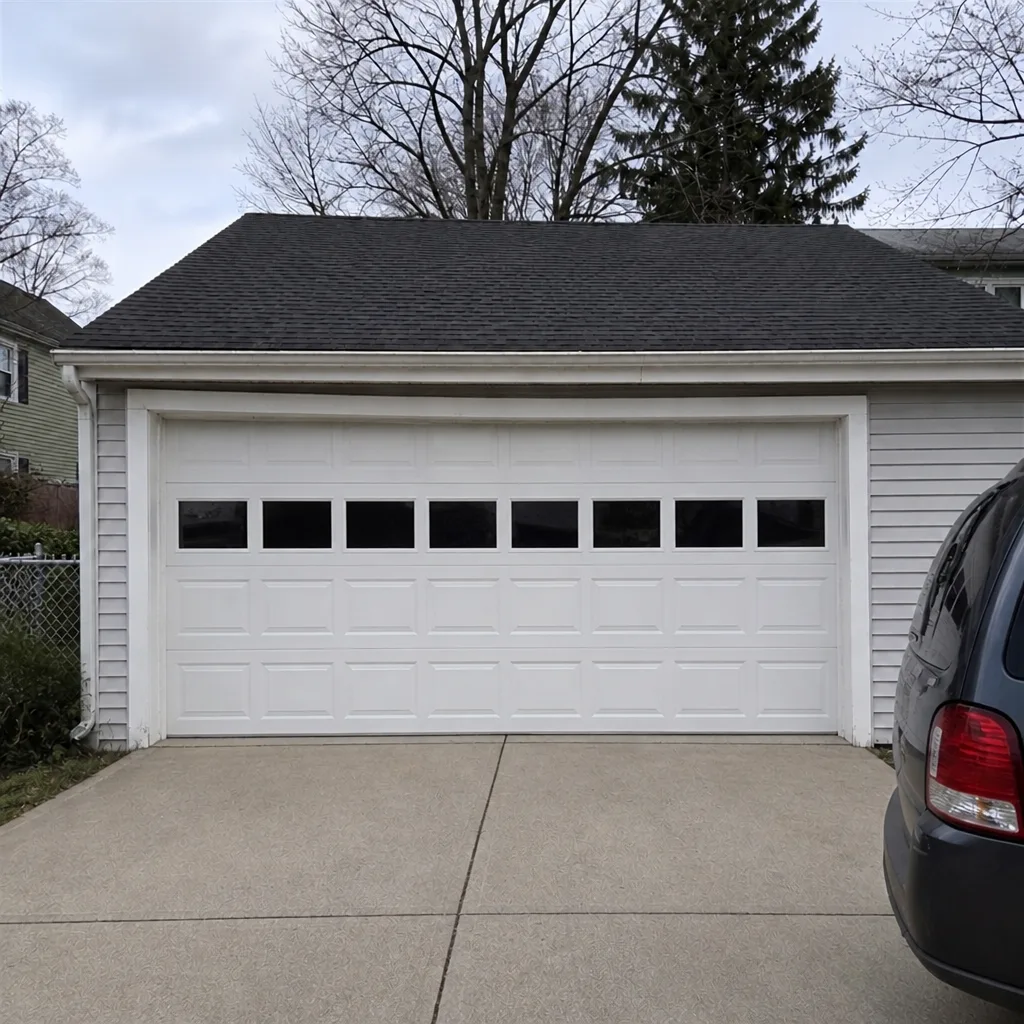
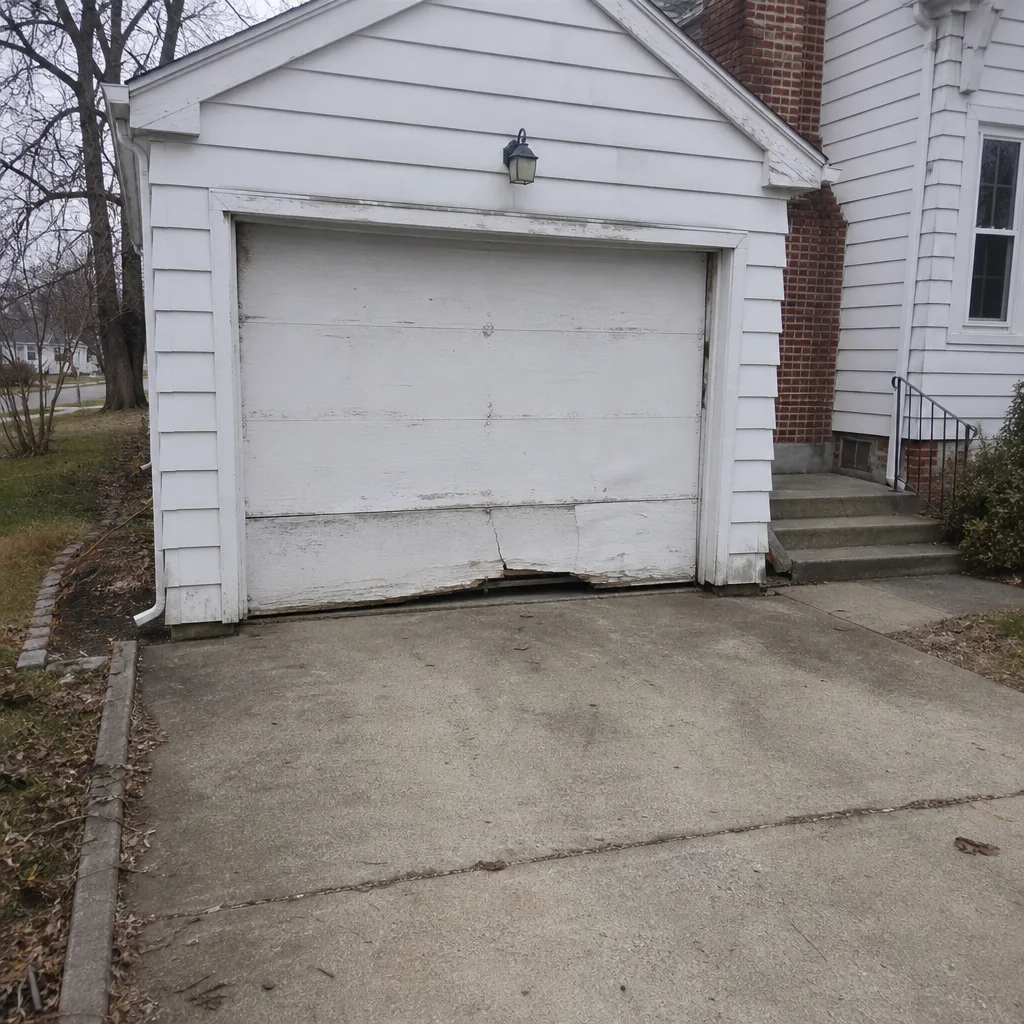
See the difference
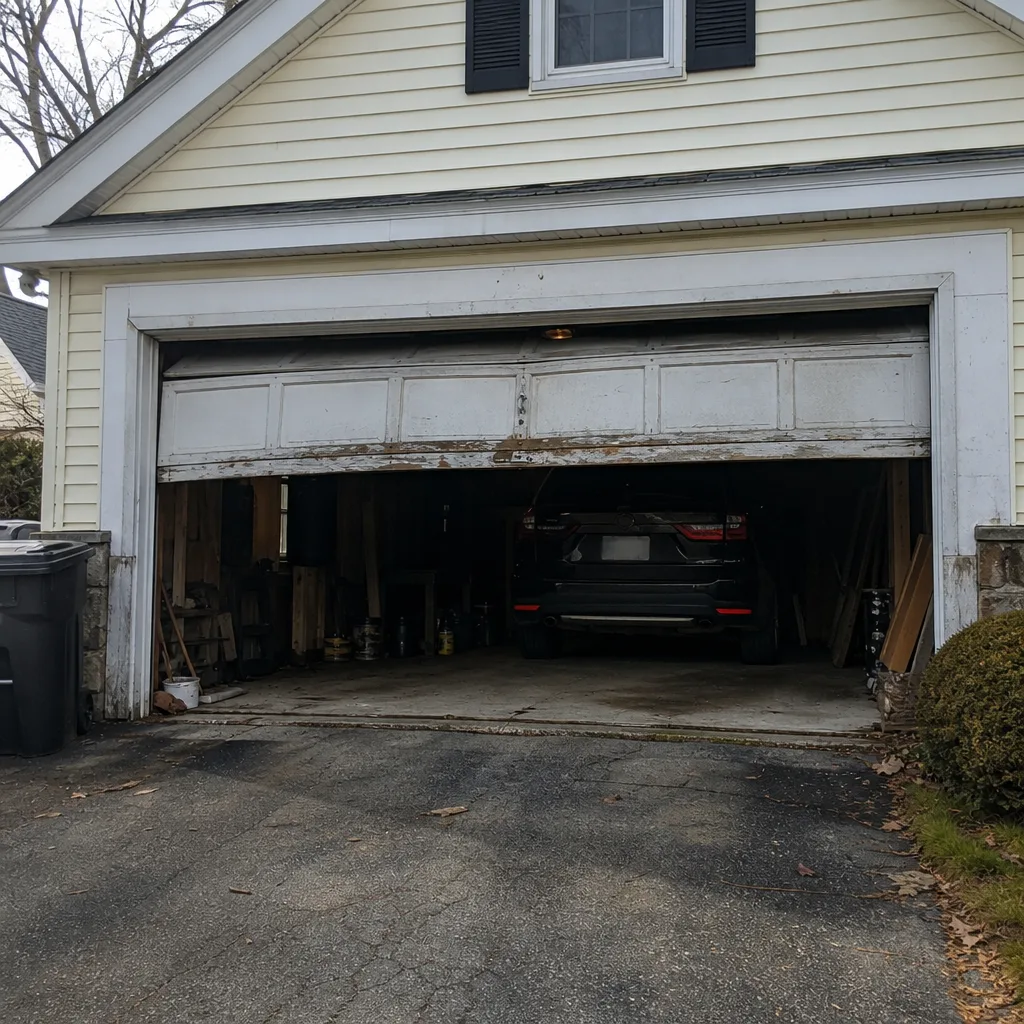 Before
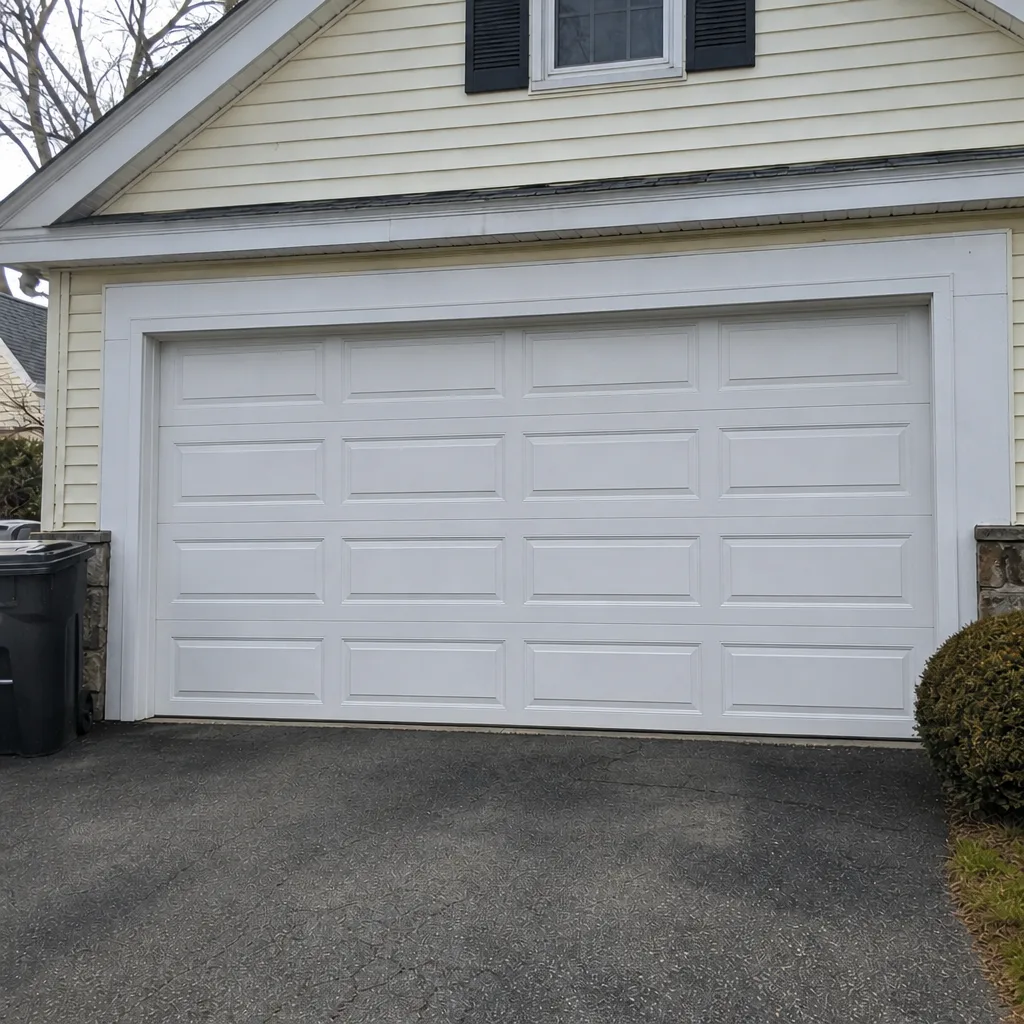 After
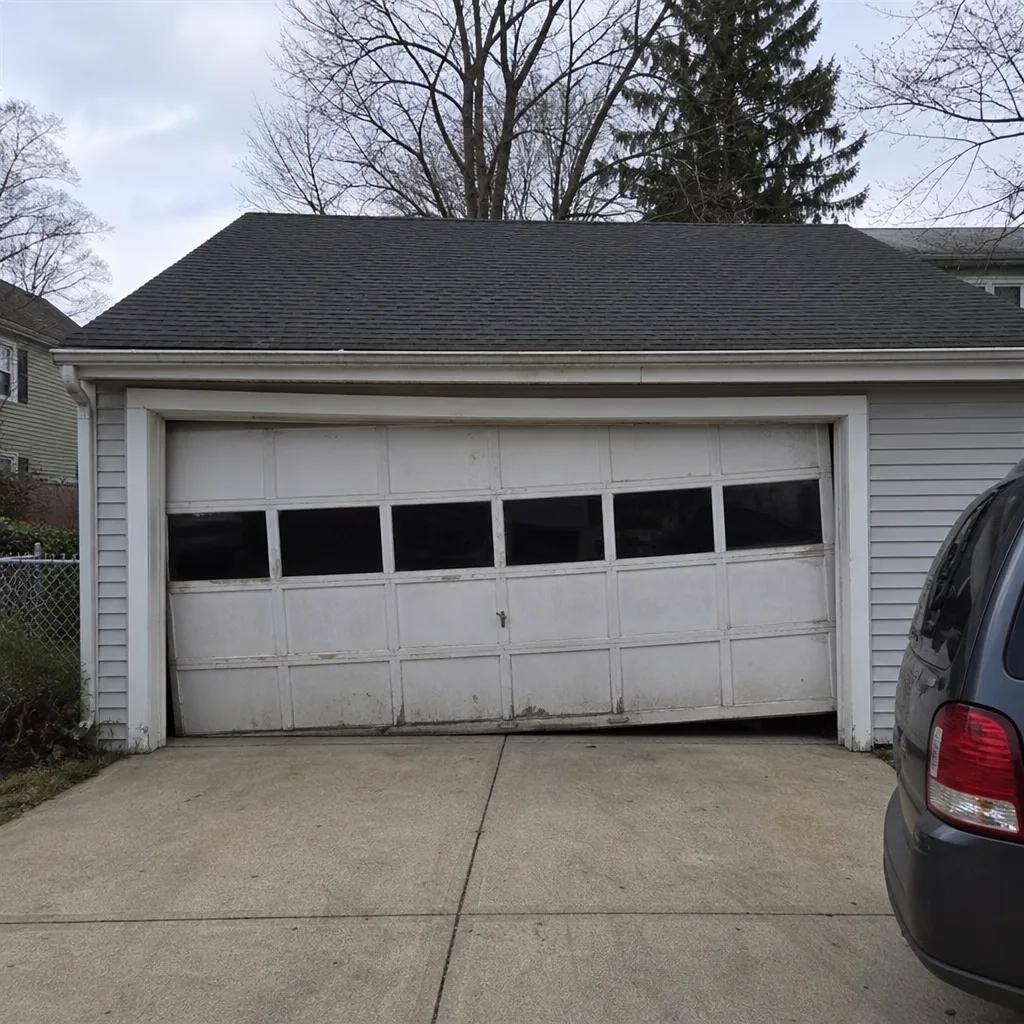 Before
 After
 Before
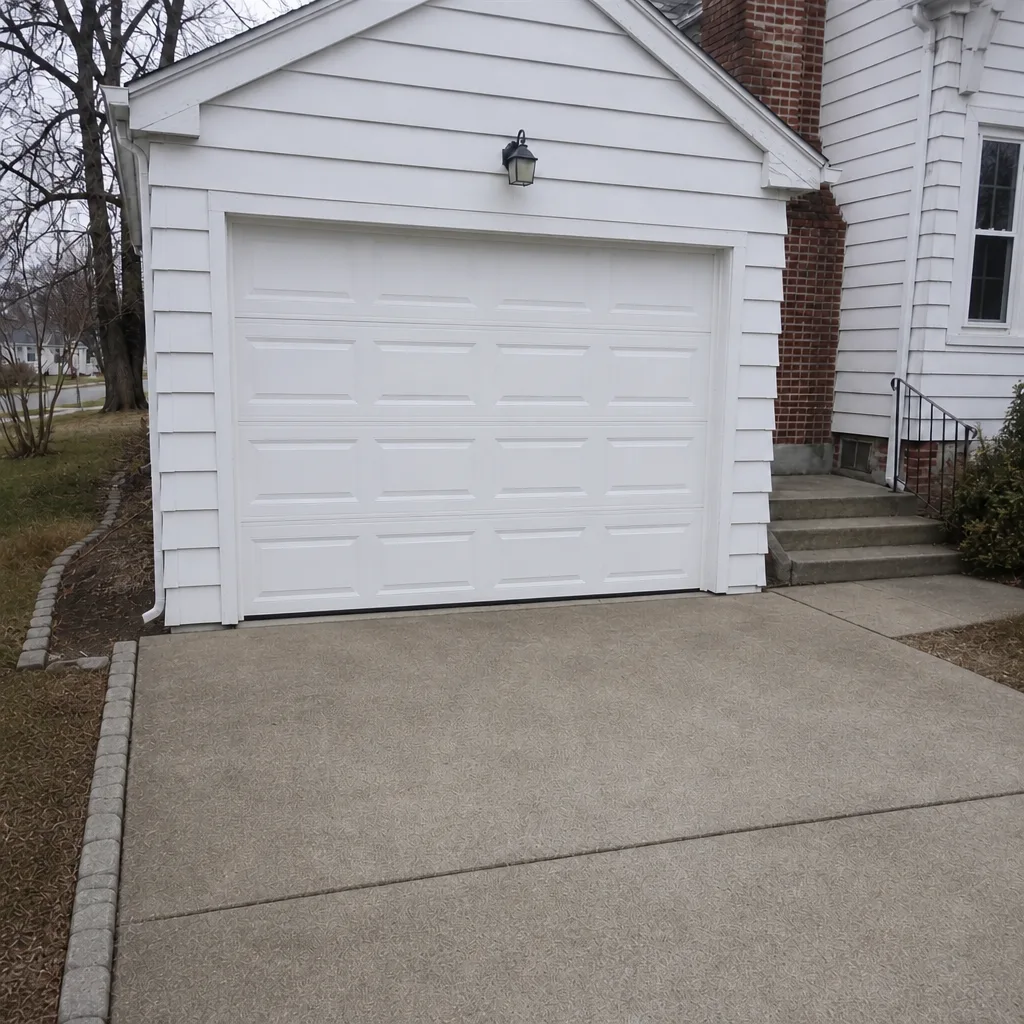 After
When to Call a Professional
Some work belongs on your list and some doesn’t. Call a technician when you spot gaps or rust on a torsion spring, when a cable is frayed or kinked, when the door won’t hold its balance at halfway, when a drum is worn or a cable has jumped, or when the opener strains, reverses for no reason, or a smart system misreports the door’s position. Any repair under load – springs and cables especially – should always go to a trained professional. Our technicians have up to 15 years of experience with the major brands, from Clopay and Raynor doors to LiftMaster and Chamberlain openers. Quincy Garage Door Service offers free estimates in Quincy – call (844) 755-5234. We answer 24/7. Fast dispatch from 7am to 7pm, Sunday through Friday.
Frequently Asked Questions
Four times a year, timed to the seasons. The most important pass is early fall, before the first freeze, when you lubricate the springs, hinges, and rollers and check the bottom seal. Mid-winter is a quick visual scan, spring is for checking seals and cables after the thaw, and summer is for a balance and safety-reverse test.
A purpose-made garage door lubricant rated for cold weather. Apply it sparingly to springs, hinge pivot points, and roller bearings. Skip household oil, cooking spray, and thick grease – they attract grit and stiffen in New England humidity, which accelerates wear instead of preventing it.
It depends on the part and the job, so the honest answer is that a written estimate sets the price. Lubrication, seal replacement, and minor adjustments are low-cost maintenance. Springs, cables, and drums cost more, and a matched pair of springs is usually replaced together, so that runs higher than a single spring. Call (844) 755-5234 for an exact quote – estimates are free.
No. A torsion spring stores enormous energy and can cause serious injury if handled wrong. This is the one task on any checklist that should always go to a trained technician. You can inspect the spring safely by eye and ear, but leave the adjustment and replacement to a professional.
The bottom seal takes the full load of snow melt, rainwater, and road grit, while side and top seals sit higher and drier. Check the bottom seal from inside the garage with the lights on, looking for daylight, cracks, or a damp floor in spring. Replacing a bottom seal is a lower-cost seasonal job best done before winter.
It usually means the moving parts stiffened because the lubrication is old or the wrong product was used. Cold turns marginal lubricant into paste, and grit in the tracks or bearings makes it worse. Re-lubricating with a cold-weather-rated garage door product before the freeze prevents most of this. If it keeps grinding after you lubricate, call (844) 755-5234. We answer 24/7. Fast dispatch from 7am to 7pm, Sunday through Friday.
The Bottom Line
Maintenance is not a checkbox exercise. It’s a priority list, and on Quincy doors the order is clear: lubrication and bottom seals first, rollers and alignment second, cables and drums third, springs always with a trained eye and never in your own hands. When you time the work to Quincy’s seasons – especially the early-fall pass before the first freeze – you spend a few minutes to prevent the repair that costs the most. Whether your door needs a repair or a full replacement, knowing what to check and when is what keeps it working. If you’re in Quincy and want a technician’s read on your door, Quincy Garage Door Service is a garage door specialist you can call for a free estimate at (844) 755-5234.
Written by the team at Quincy Garage Door Service.