
Last updated November 16, 2026
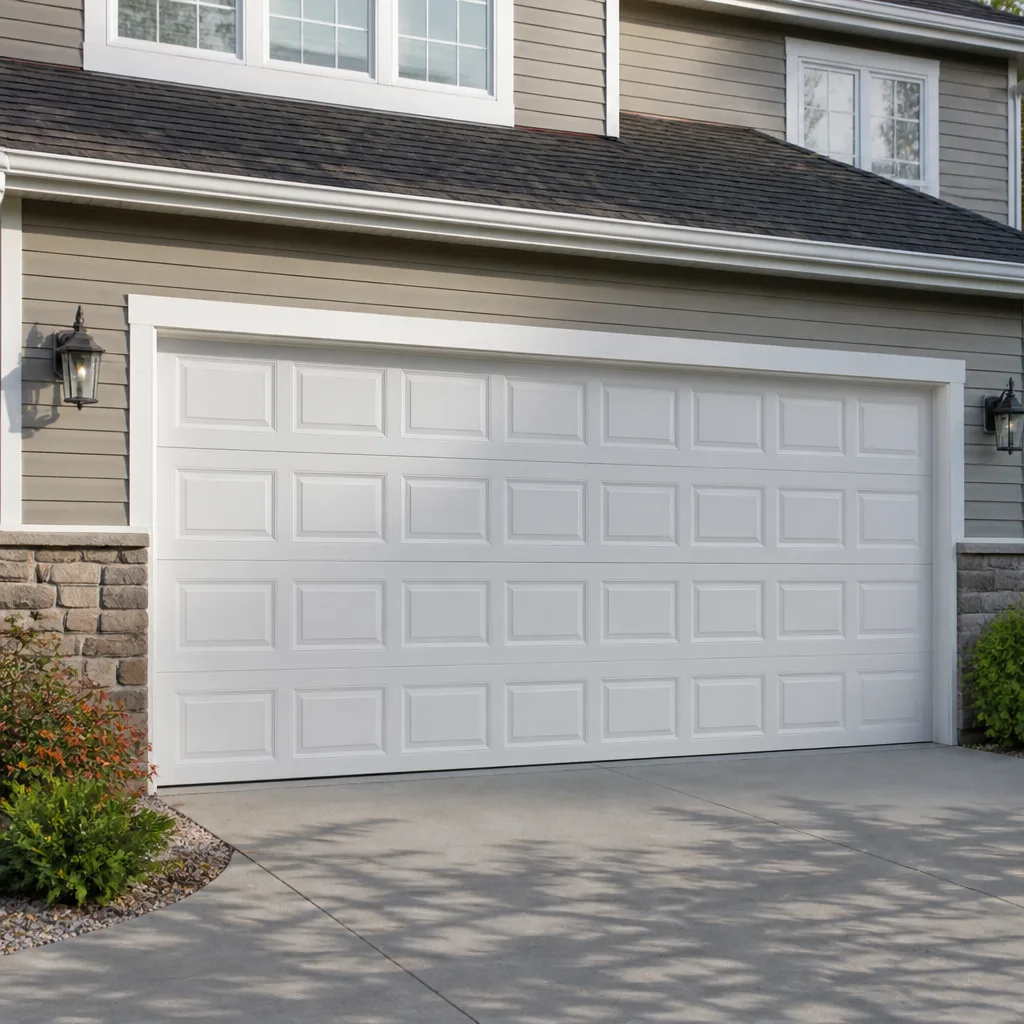 Raised-panel steel
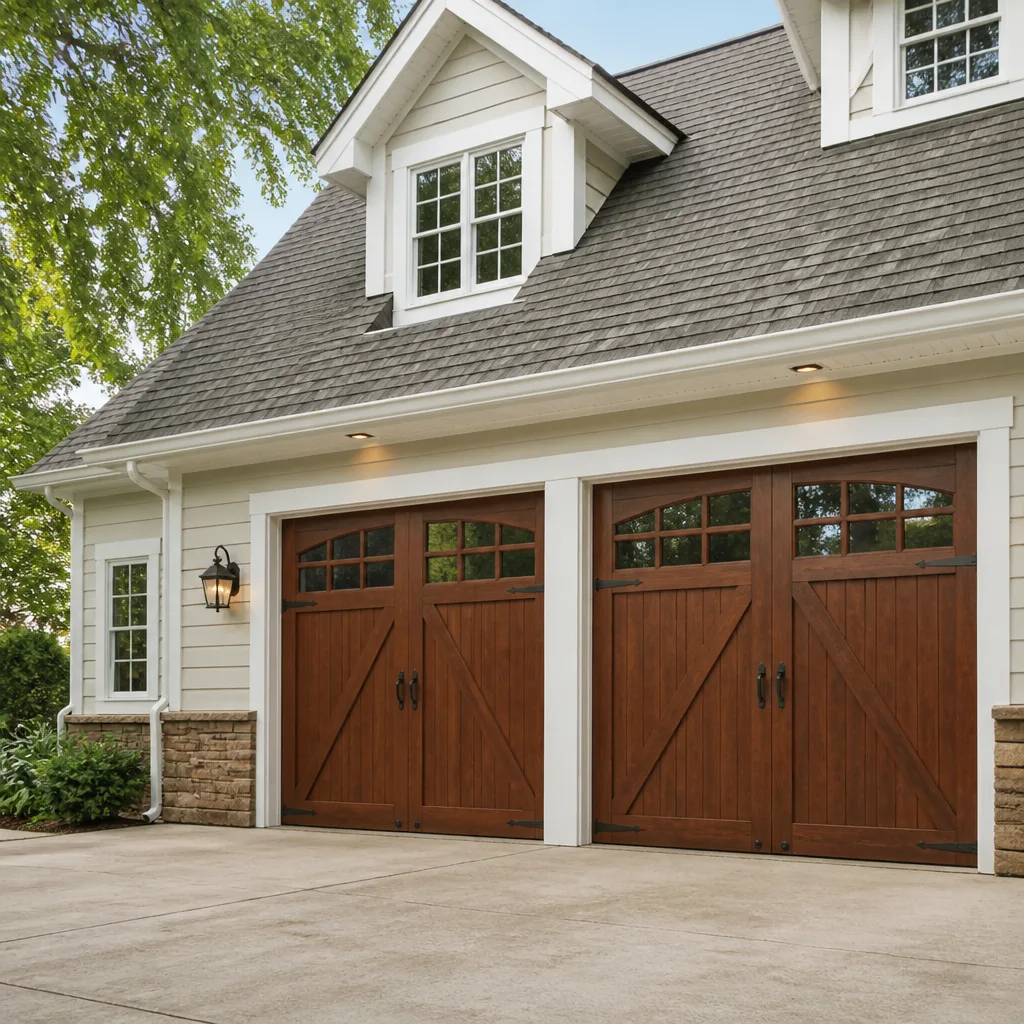 Carriage house
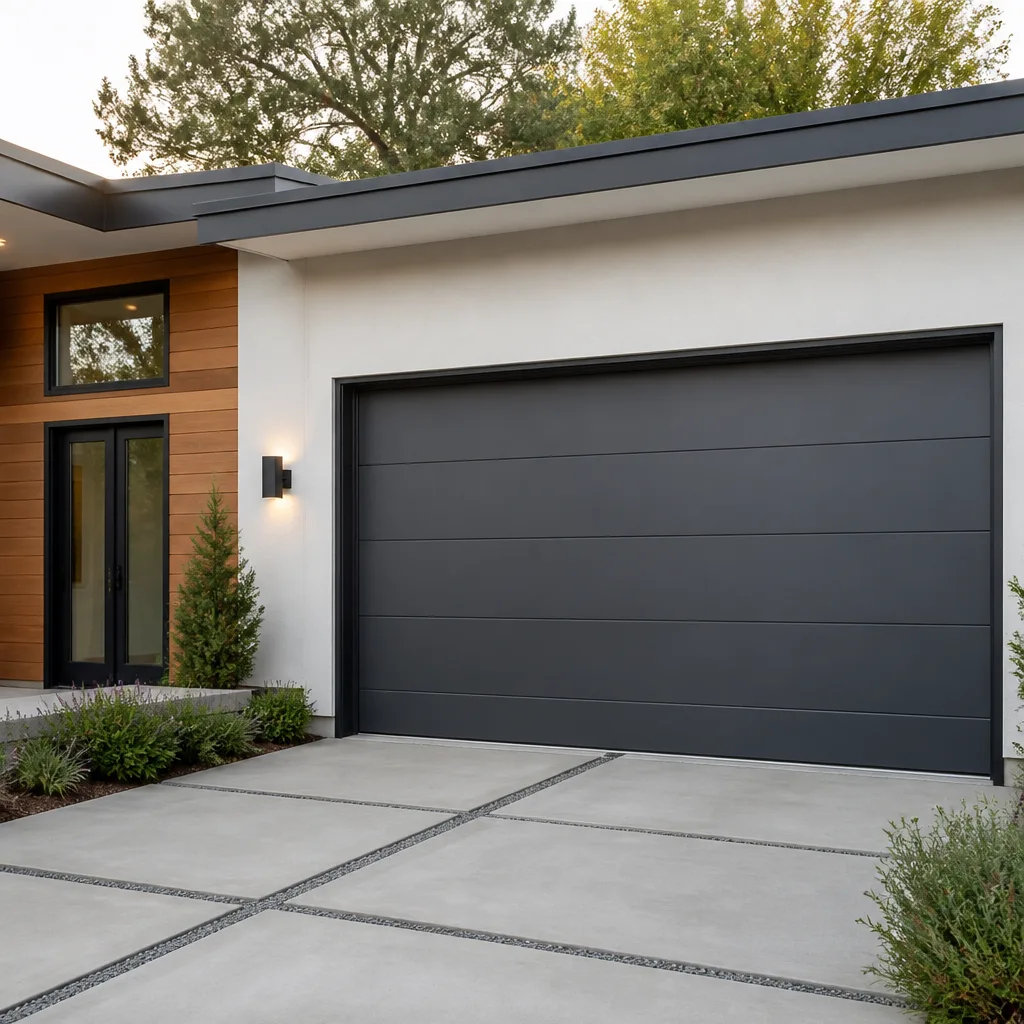 Modern flush
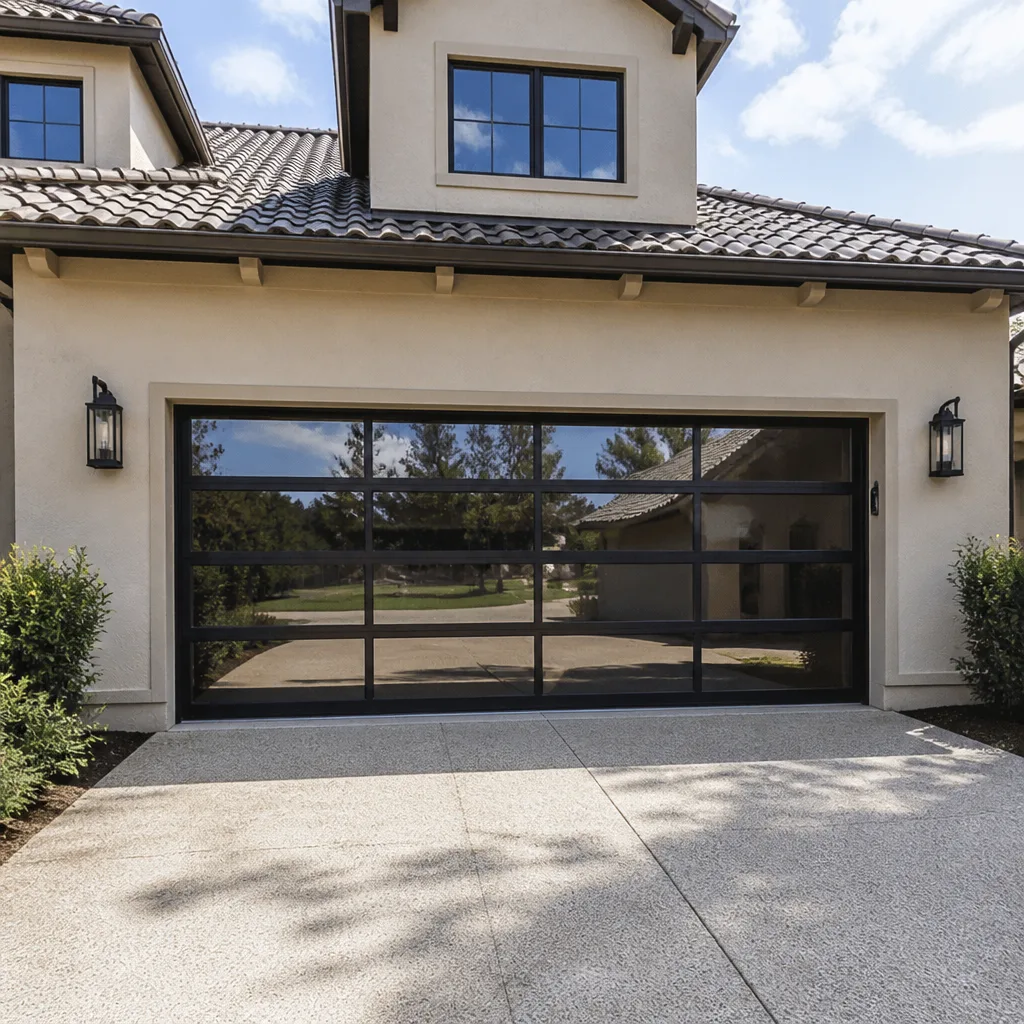 Full-view glass
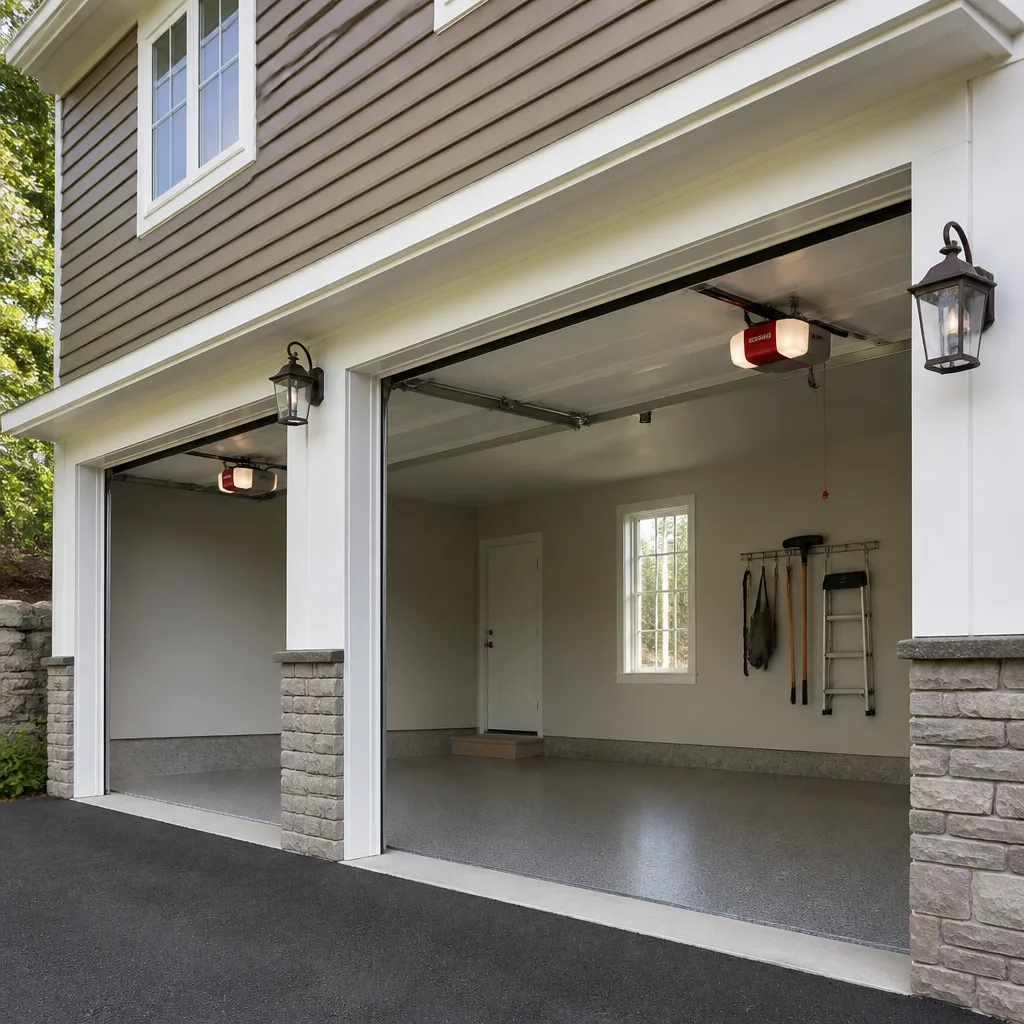 LiftMaster openers
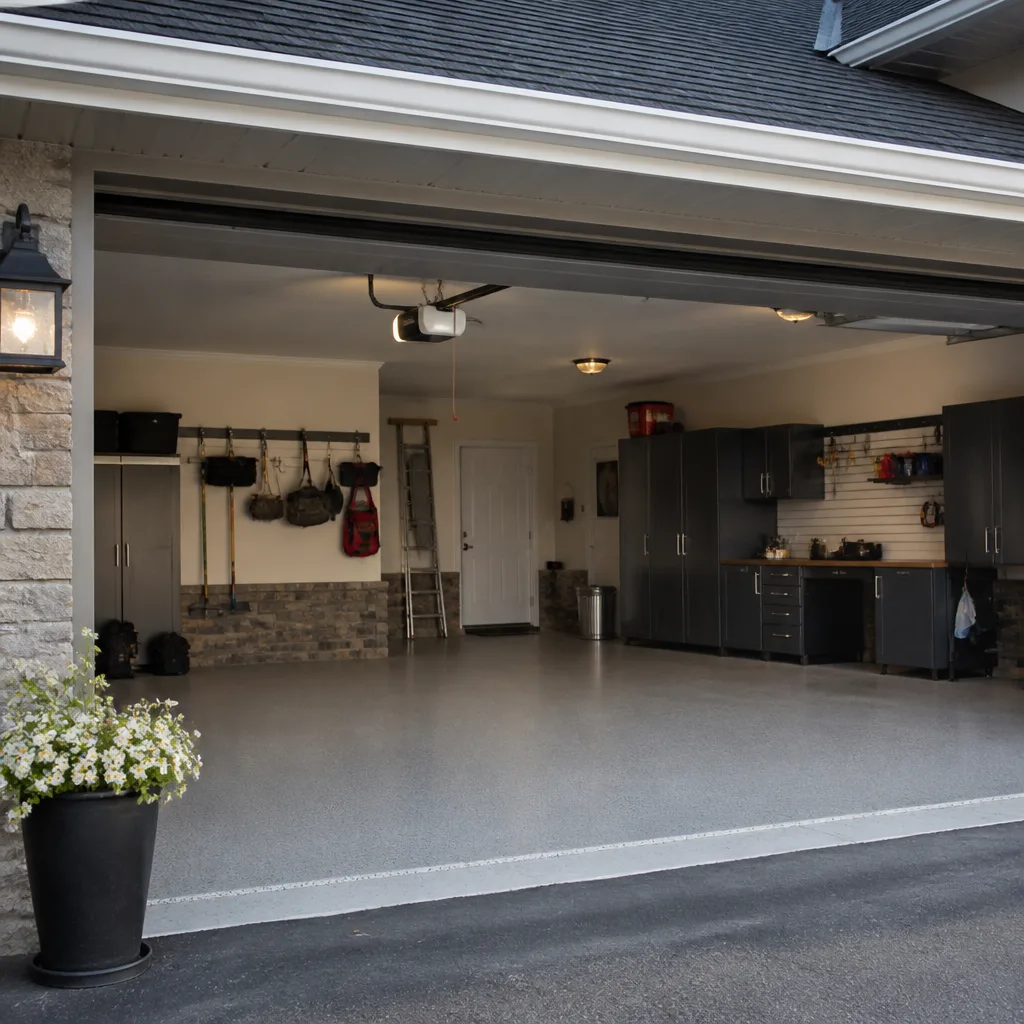 Chamberlain openers
Full 25-point door and opener safety check with every visit - springs, cables, rollers, tracks, and your LiftMaster or Chamberlain opener included
You get a price before we start. It does not change when the pro arrives.
Get your free estimateGarage Door Cost Breakdown: The Quincy Homeowner’s Reference for 2026
Online garage door cost calculators are close to useless for Quincy homeowners. They don’t account for what labor actually runs in the Boston metro, they ignore the fact that a lot of Quincy’s housing stock is older than the door that’s being replaced, and they have no idea that the framing behind your header might need work before anything gets hung. Two quotes for the “same door” in this city can differ by $1,500, and the gap almost always comes down to four or five variables that never show up in a nationwide price table. In this guide we break down a real line-item cost structure for Quincy, explain what drives the spread, and show you how to compare quotes on equal terms so you’re paying for performance, not margin.
Quick Answer
A typical garage door replacement in Quincy in 2026 runs roughly $1,200 to $3,400 installed for a single-car steel door, and $2,200 to $5,500 for a double-car door depending on material, opener, and any framing repair. Repair work is far cheaper: most repairs land between $150 and $600, and opener work typically falls between $120 and $500. The written estimate you receive after the door is measured sets the final price, and it should be quoted and agreed before any work starts.
Styles & brands we work with
- Raised-panel steel
- Carriage house
- Modern flush
- Full-view glass
- LiftMaster openers
- Chamberlain openers
Table of Contents
- The Line-Item Cost Structure for a Quincy Door
- Why Quincy’s Older Housing Stock Adds Cost
- How to Compare Quotes: Bundled vs. Itemized
- Steel, Wood Composite, Aluminum, or Fiberglass: The 10-Year Cost
- Where Spending More Upfront Actually Pays Off
- Repair Costs: Springs, Cables, Rollers, and Panels
- Opener Replacement Costs in Quincy
- Common Mistakes to Avoid
The Line-Item Cost Structure for a Quincy Door
A full replacement in Quincy breaks into five cost buckets: the door panel itself, the hardware package (tracks, hinges, rollers, springs), the opener, the labor to install and tune everything, and disposal of the old door and packaging. Most quotes bundle these into one number, which makes price comparison nearly impossible. Here’s what each bucket typically carries in the 2026 Quincy market.
- Door panel (single-car steel): $550 – $1,100 for a standard raised-panel or carriage-house steel door. Double-car panels run $900 – $2,000.
- Hardware package: $200 – $450 for tracks, hinges, rollers, torsion springs, and drums. Spring quality alone moves this number by $100 or more.
- Opener: $250 – $650 for a belt-drive or chain-drive unit, more if you want battery backup or smart-home connection.
- Labor: $350 – $800 depending on whether the old door comes out cleanly and whether the opening needs any adjustment.
- Disposal: $75 – $200 to haul the old panels and packaging away.
When you add those up for a single-car replacement, you land in the $1,200 to $3,400 range that shows up on most completed jobs. A double-car door with a premium panel and a smart opener will push toward the top of that spread, sometimes past it if the framing needs work. That last part is where Quincy gets interesting, and we’ll get to it in the next section.
Why Quincy’s Older Housing Stock Adds Cost
Quincy has a lot of homes built before 1960, and a surprising number of those garages were never built for a modern sectional door. They were built for a single tilt-up panel, or for nothing at all. When we measure an opening in a Quincy home, we’re often measuring framing that has shifted, sagged, or was never square to begin with. That’s the $200 to $600 unplanned cost most quotes don’t include.
Here’s what that extra money typically buys:
- Header reinforcement: If the beam above the opening has sagged or was undersized for a sectional door’s weight, it needs to be stiffened before a heavy door hangs from it.
- Framing repair: Rot, insect damage, or old termite repair around the jambs is common in pre-war Quincy stock. A few rotted jack studs can add a half day of carpentry.
- Track modification: Low-clearance garages, or garages where the door opens into a tight ceiling, often need low-headroom track, high-lift track, or a custom radius to clear a beam or duct.
- Opening sizing: A modern door is built to a standard size. If the rough opening is an odd dimension, the door has to be ordered custom, which adds lead time and cost.
None of this is unusual for Quincy. It’s the ordinary reality of old framing. What matters is that a contractor looks at the opening before quoting, not after the door arrives. A written estimate that includes a framing allowance is a sign the contractor has done this before. An estimate that doesn’t mention framing at all is a sign you’ll get a phone call about it on install day.
How to Compare Quotes: Bundled vs. Itemized
A bundled quote is one number for “garage door installed.” An itemized quote breaks that number into door, hardware, opener, labor, and disposal, and lists any allowances for framing or track work. Bundled quotes are easier to read. Itemized quotes are the only kind you can actually compare. If two contractors hand you bundled quotes that differ by $800, you have no way to tell whether the cheaper one is using a lesser door or the expensive one is padding labor.
Before you sign anything, demand these line items in writing:
- The door manufacturer, model number, and material thickness. “Steel door” is not a line item.
- Spring type and cycle rating. Torsion vs. extension, and standard vs. high-cycle.
- Roller type (nylon vs. steel) and hinge gauge.
- Opener brand, model, and whether it includes battery backup, safety sensors, and smart-home connection.
- Labor hours estimated and hourly rate, or a flat install charge.
- Any framing or track allowances, and whether those are capped or open-ended.
- Disposal: is it included, and is the old door hauled away?
- Whether the price is quoted and agreed before any work starts.
If a contractor can’t or won’t itemize, that’s information. It usually means the number was built to sound competitive on the phone, and the real price will show up after the work begins. You want a written price, agreed before the first screw goes in. That’s how we operate, and it’s how you should expect any reputable Quincy contractor to operate.
Steel, Wood Composite, Aluminum, or Fiberglass: The 10-Year Cost
The sticker price of a door tells you almost nothing about what it costs to own for ten years. Maintenance, repainting, and eventual replacement all count. Quincy’s weather is the variable that moves those numbers most: hot humid summers, freezing winters, and a lot of freeze-thaw cycling through the framing.
- Steel (insulated): $1,200 – $3,400 installed for a single. Lowest maintenance, paint holds for years, handles freeze-thaw well. Ten-year cost: essentially the install price plus maybe one repaint.
- Wood composite: $2,400 – $5,000. Beautiful finish, but it needs repainting or staining every few years in this climate, and any moisture getting behind the cladding is a slow problem.
- Aluminum: $1,800 – $4,000. Light, won’t rust, but dents easily and can be noisy in wind. Low maintenance, moderate durability.
- Fiberglass: $2,000 – $4,200. Won’t dent or rust, good for harsh weather, but color options are limited and it can fade over many years.
For most Quincy homeowners, the ten-year math favors insulated steel. Wood composite can be worth it on a historic home where the door is part of the facade, but be honest about the repainting commitment. We install doors from Clopay, Amarr, Wayne Dalton, and Raynor across both budget and premium tiers, so we can walk you through the trade-offs without steering you to a single product line. Whether your door needs a repair or a full replacement, the right material choice depends on how long you plan to stay and how much upkeep you actually want.
Where Spending More Upfront Actually Pays Off
Not every upgrade is worth the money. Some parts of a garage door system are engineered for a service life, and paying for a better version of that part saves real money later. Others are margin, not performance.
Worth paying for:
- High-cycle springs: Standard springs are rated around 10,000 cycles; high-cycle springs at 20,000 or more typically add $60 – $150 to the job. If your door cycles four times a day, that upgrade pays for itself before the first standard spring would have failed.
- Nylon rollers: A set costs $40 – $80 more than steel rollers and runs quieter and longer. Easy call.
- Opener motor class: A belt-drive unit with a DC motor from LiftMaster, Chamberlain, or Genie will outlast and out-quiet a builder-grade chain-drive. The jump from $250 to $450 is real value.
- Battery backup: In a Quincy neighborhood where power flickers in winter storms, a battery-backup opener means the door still works when the grid doesn’t.
Not worth paying for:
- Oversized horsepower: A single-car door doesn’t need a 1.25 HP opener. Half-horse is plenty, and the extra motor is margin.
- Premium “designer” hardware on a builder-grade door: Decorative hinges and handles don’t improve performance.
- Extended service plans that duplicate the manufacturer warranty: Read the manufacturer terms first; you may already be covered.
The rule of thumb: spend extra where the part does mechanical work and wears out, save where the part is cosmetic. Springs, rollers, and the opener motor are the three places the money genuinely lands on performance.
Repair Costs: Springs, Cables, Rollers, and Panels
Repair is usually the right move when the door is under fifteen years old and the panels are structurally sound. Here are the 2026 Quincy ranges for the most common repair calls.
- Torsion spring replacement (one spring): $180 – $340. A matched pair is usually replaced together, so a pair costs about twice that.
- Extension spring replacement: $150 – $280 per side.
- Cable replacement: $180 – $320 per side, often paired with a spring job.
- Roller replacement (full set): $120 – $220.
- Section/panel replacement: $250 – $700 depending on material and whether the section is still in production.
- Track repair or realignment: $150 – $350.
- Full door realignment and tune-up: $120 – $250.
A note on safety here, because it matters. Torsion springs and cables are under extreme tension and are the most dangerous component on the whole door. Serious injuries happen when homeowners try to replace a spring themselves. Our technicians are trained specifically for this work, and we recommend you leave spring and cable jobs to a trained professional every time. The other repairs on that list are far less hazardous, but they still require the door to be properly balanced and the opener disconnected before anyone touches the tracks.
If the door is over twenty years old, or the panels are buckled, or the cost of the repair is heading above half the cost of a new door, replacement usually makes more sense. We’ll tell you honestly which side of that line you’re on.
Opener Replacement Costs in Quincy
Opener replacement is the most common upgrade in Quincy homes right now, driven by two things: aging chain-drive units from the 1990s finally dying, and the jump in smart-home features on new openers. Here’s what replacement runs.
- Chain-drive opener installed: $250 – $450.
- Belt-drive opener installed: $350 – $550.
- Screw-drive opener installed: $300 – $500.
- Smart opener (LiftMaster, Chamberlain MyQ, Genie Aladdin Connect) installed: $400 – $700.
- Battery-backup opener installed: adds roughly $100 – $200 over the equivalent non-backup unit.
- Opener repair (gears, logic board, sensors, capacitor): $120 – $400.
Whether to repair or replace an opener usually comes down to age and failure type. A failed logic board on a twenty-year-old unit is often the sign to replace rather than repair, because the next part to fail is probably right behind it. A dead safety sensor or a stripped gear on a five-year-old LiftMaster is almost always worth fixing. We work across the four opener brands that dominate the residential market (LiftMaster, Chamberlain, Genie, Craftsman), so we can diagnose the specific system you own, including the app-connected and MyQ-enabled units that generic repair crews sometimes struggle with.
If you’ve got a door that works but an opener that won’t respond, that’s a diagnostic job, not a replacement job. Start with garage door opener repair before you assume the whole unit is gone.
Common Mistakes to Avoid
- Comparing bundled quotes as if they’re equal. A $900 quote and a $2,400 quote for “the same door” are rarely the same door, hardware, or labor scope. Demand itemization before you decide the cheaper one is the better value.
- Skipping the framing inspection. In Quincy’s older neighborhoods, quoting a door without looking at the header and jambs is how the install-day price jumps by $400. Ask what the contractor saw when they measured.
- Replacing only one spring when the pair is worn. Springs are a matched set. Replacing one leaves you back on the phone in a few months. The pair costs about twice one spring and lasts the whole life cycle together.
- Buying the biggest opener available. A 1.25 HP unit on a single-car door is money spent on margin, not performance. Match the opener to the door’s weight and cycle count.
- Ignoring the door’s weather seal. A worn bottom seal lets snowmelt and cold air into the garage through a Quincy winter. It’s cheap to replace and often overlooked when comparing quotes.
- Paying a deposit before seeing the written estimate. The price is quoted and agreed before any work starts. No written estimate, no deposit. That’s the rule.
- Assuming a premium paint finish matters more than roller quality. Paint fades; rollers and springs wear. Put the upgrade budget into the moving parts.
When to Call a Professional
Some jobs are clearly a call-us situation. A broken spring (the door is stuck, won’t lift, or the opener hums but nothing moves). A snapped cable. A door that’s come off the track. A torsion bar that has visibly failed. Any of those and you should stop using the door and call before something worse happens. Springs and cables under tension are genuinely dangerous, and this is not DIY territory. On the opener side, a unit that trips its breaker, smells like burning, or has a flashing fault code you can’t identify is worth a call too. A door that’s simply noisy, or a remote that’s stopped talking to the opener, might be a quick fix, but the diagnosis will save you guessing at parts.
Quincy Garage Door Service offers free estimates in Quincy. Call (844) 755-5234. We answer 24/7. Fast dispatch from 7am to 7pm, Sunday through Friday. A call outside dispatch hours is booked into the next opening, Sunday through Friday, 7am to 7pm.
See the difference
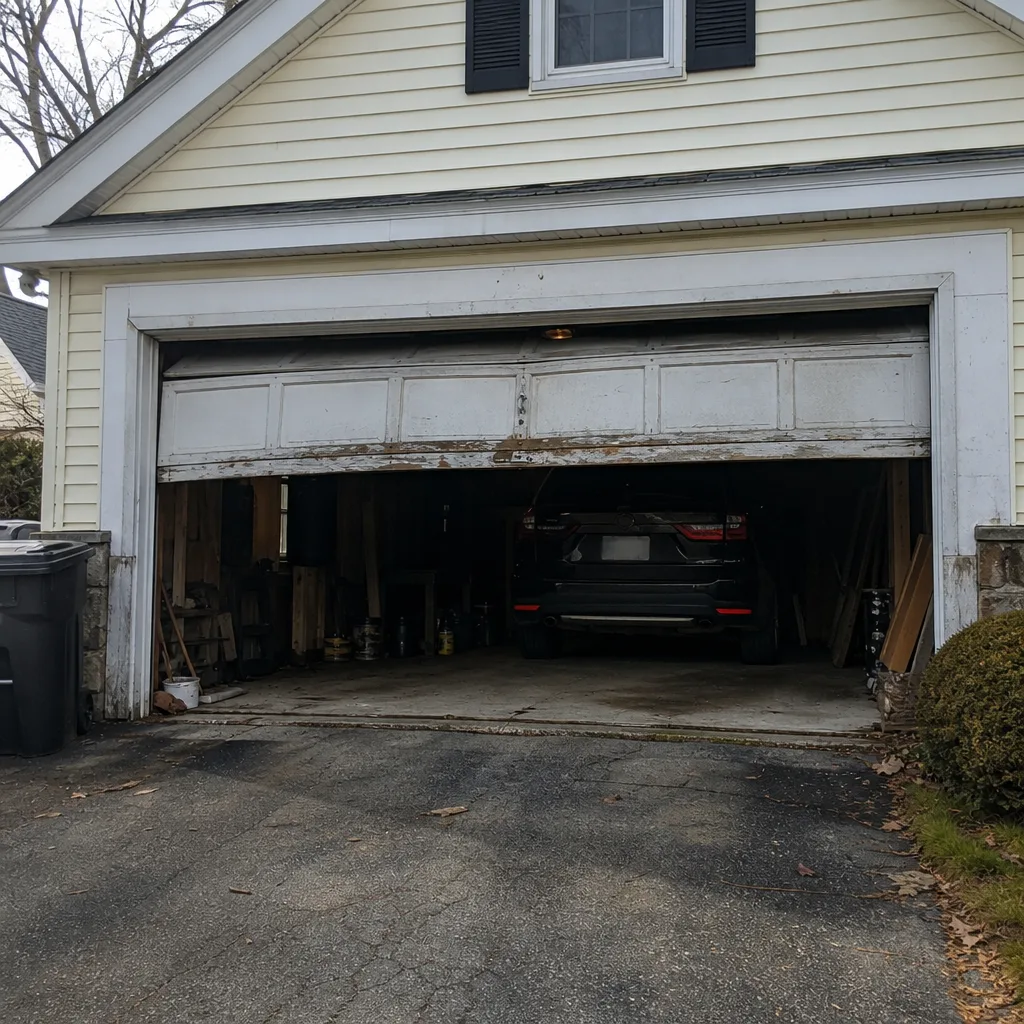 Before
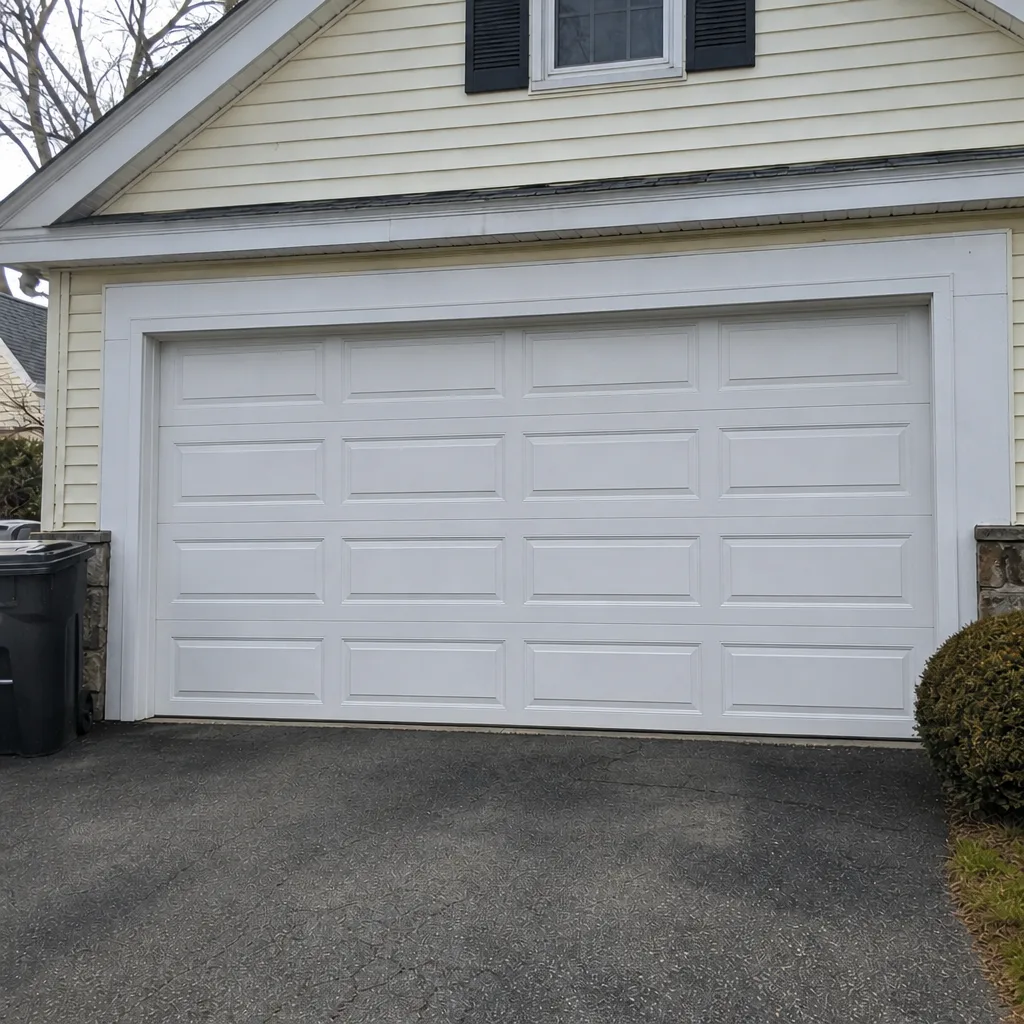 After
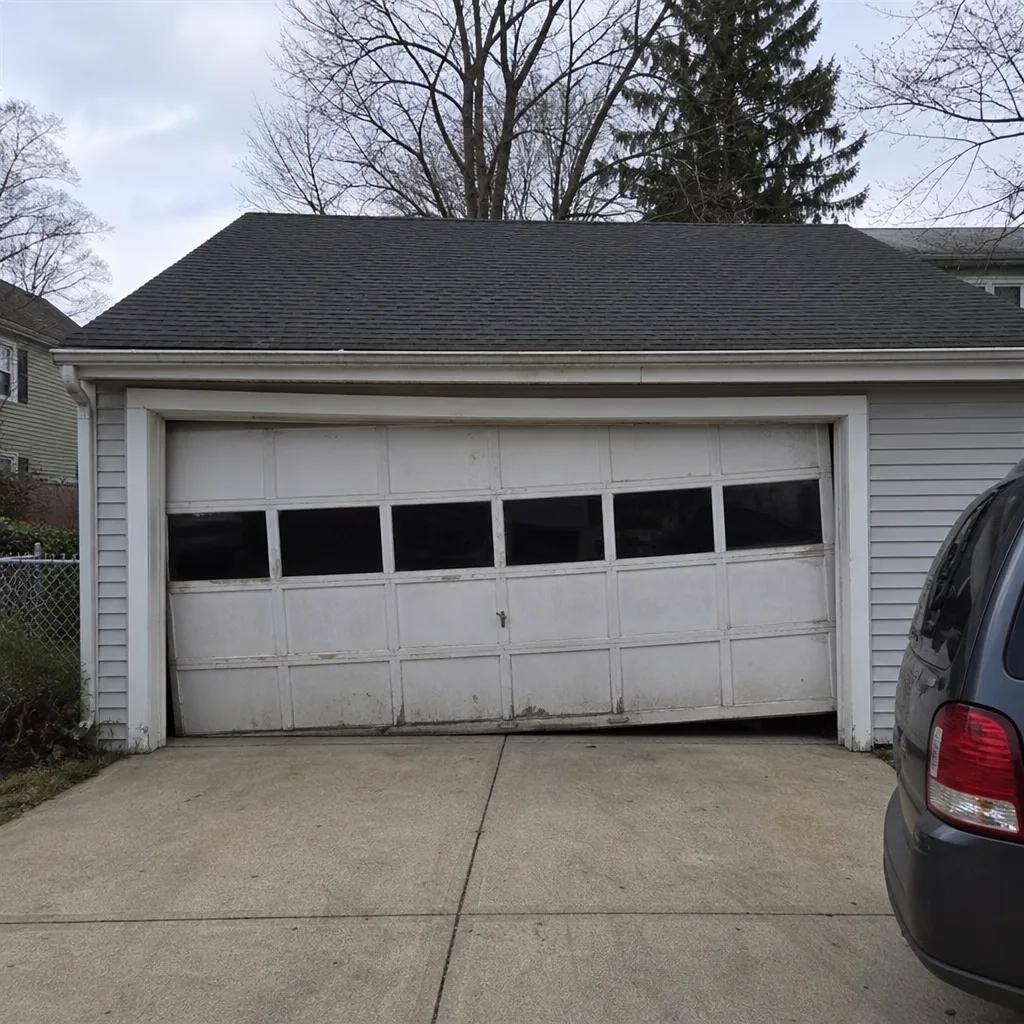 Before
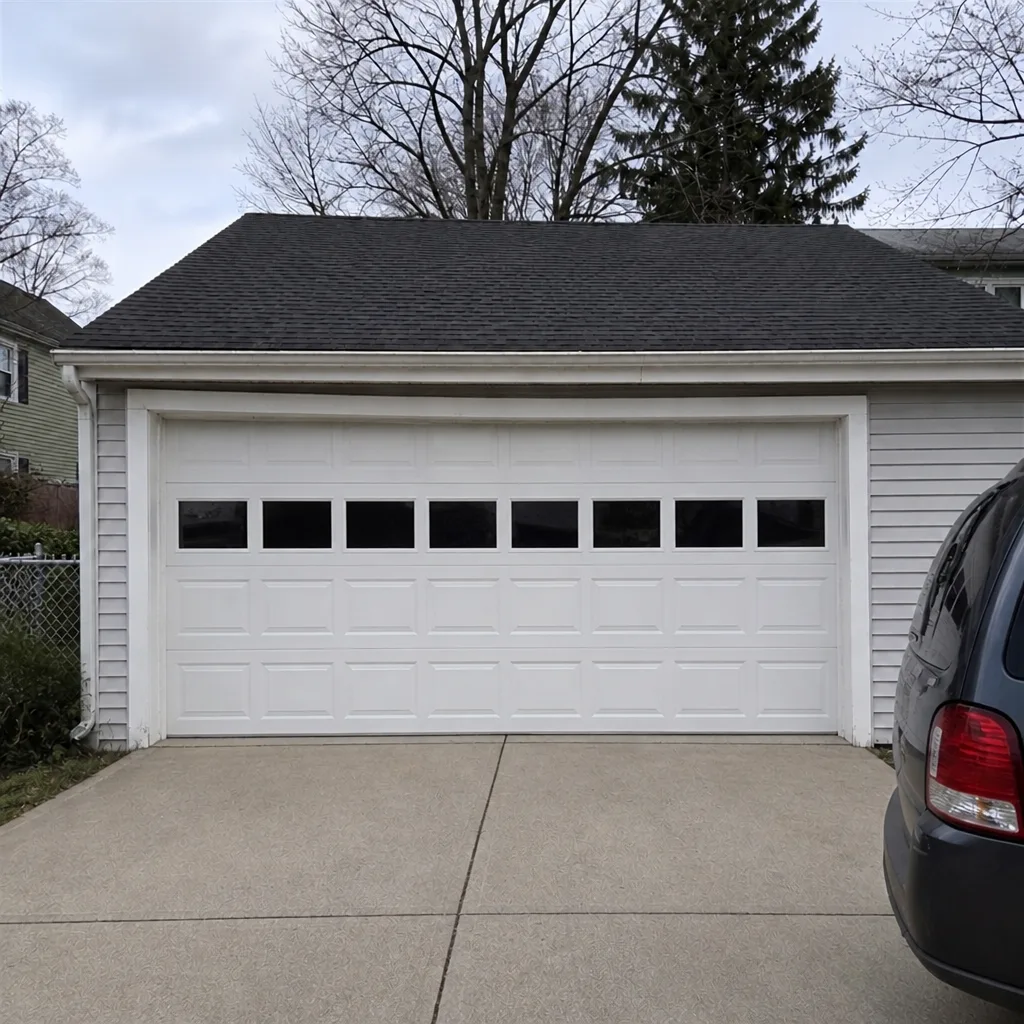 After
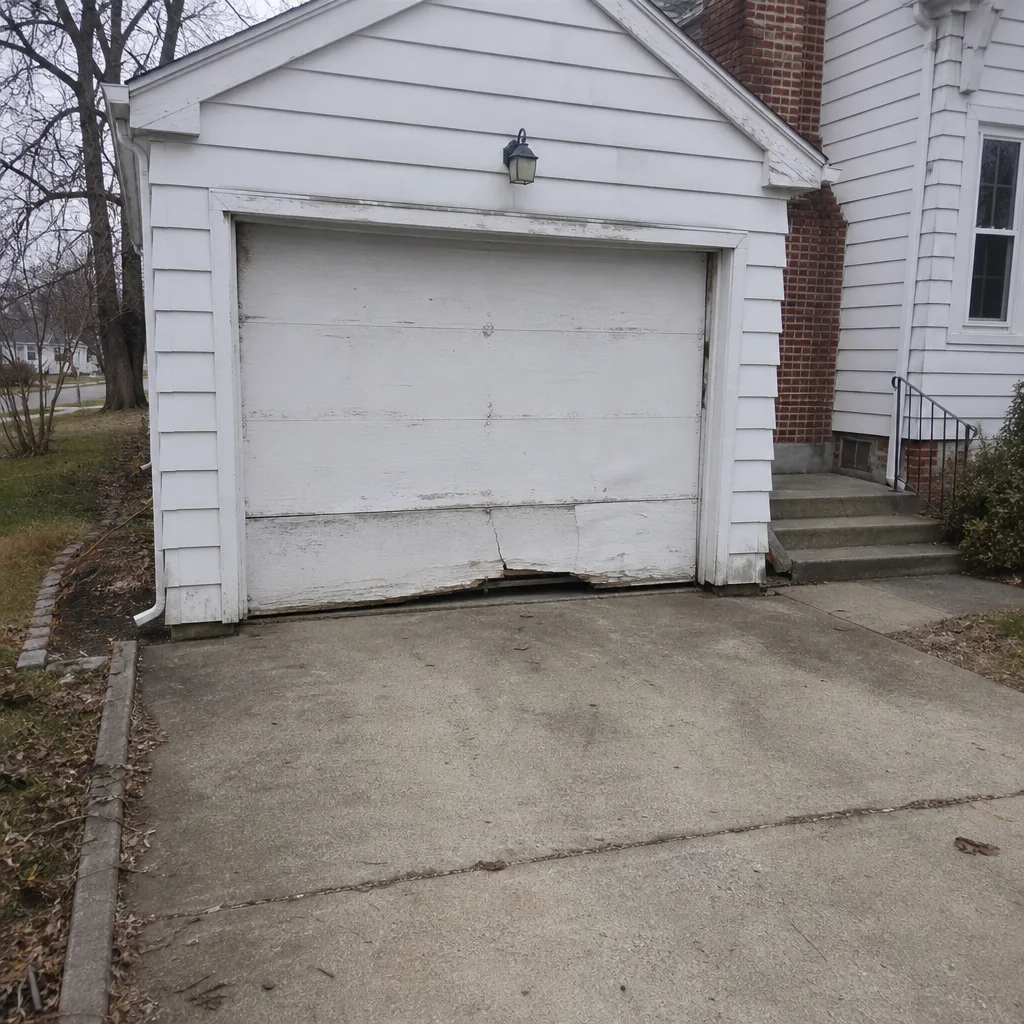 Before
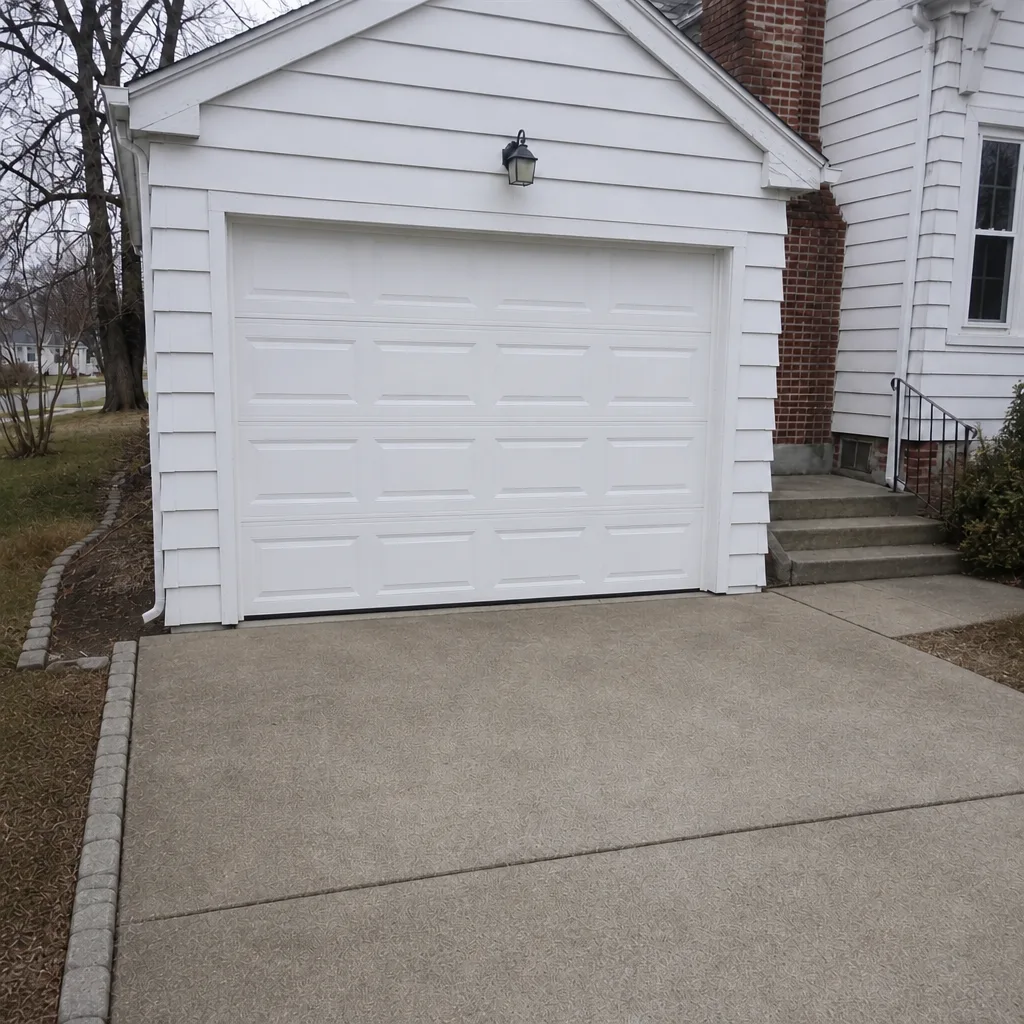 After
Frequently Asked Questions
A single-car steel door installed in Quincy typically runs $1,200 to $3,400, and a double-car door runs $2,200 to $5,500 depending on material, opener, and any framing repair. Custom sizes and premium materials push the high end. Call (844) 755-5234 for an exact quote, measured on site and free.
Because the door is only part of the job. The gap between a $900 and a $2,400 quote usually comes down to four things: door quality (steel gauge and insulation), hardware grade (spring cycle rating and roller type), opener brand and features, and whether the quote includes framing repair or track modification for your specific opening. Itemized quotes make the difference visible. Call (844) 755-5234 and we’ll quote each line.
Sometimes, yes. Quincy has a lot of homes built before 1960, and older garages often have headers that have sagged or jambs that have rotted, which adds $200 to $600 in framing costs. A contractor who measures the opening before quoting will flag this. Call (844) 755-5234 for a free site measurement.
Yes. The independent local professionals we connect you with are state-licensed and insured for this work. Our technicians have up to 15 years of experience across the door and opener brands that dominate the residential market. Call (844) 755-5234 with questions about credentials.
Often, yes. We answer 24/7, and fast dispatch runs 7am to 7pm, Sunday through Friday. A call outside those hours is booked into the next opening. Spring replacement in Quincy typically runs $180 to $340 for one spring, with a matched pair about twice that. Call (844) 755-5234 to schedule.
No. The written estimate you receive after the door is measured sets the final price, and it’s quoted and agreed before any work starts. If we find something we didn’t see at measurement, we tell you before doing the work, not after. Call (844) 755-5234 for an exact quote.
The Bottom Line
Garage door pricing in Quincy has more moving parts than most online calculators admit. A real replacement breaks into panel, hardware, opener, labor, and disposal, and the $1,200 to $3,400 single-car range only makes sense once you see those pieces separately. For Quincy’s older housing stock, add $200 to $600 in potential framing and track work. Spend extra on springs, rollers, and the opener motor, and save on cosmetic upgrades that don’t move. Insulated steel almost always wins the ten-year math. Compare itemized quotes, get a written price agreed before work starts, and the spread narrows fast.
How We Handle Your Door
Garage doors are all we do. We know your brand, whether it’s a LiftMaster or Chamberlain opener, a Clopay or Wayne Dalton door, or a legacy Craftsman unit that’s still plugging along. Getting the door working right the first time means diagnosing the specific system you own instead of guessing, and quoting the full scope so the install-day surprise doesn’t happen. We specialize because concentrating on a single system builds diagnostic experience you don’t get from a crew that also does plumbing and HVAC. Whether your door needs a repair or a full replacement, the goal is the same: one visit, the right fix, the agreed price.
If you need a price breakdown for a specific door, or you’re trying to decide between repair and replacement, call (844) 755-5234 for a free estimate. We answer 24/7. Fast dispatch from 7am to 7pm, Sunday through Friday. Estimates are free, and the price is quoted and agreed before any work starts.
You can also read more about garage door repair on our service page, or learn more about how we approach Quincy Garage Door Service and our coverage in Quincy.
Written by the team at Quincy Garage Door Service.