
Last updated November 16, 2026
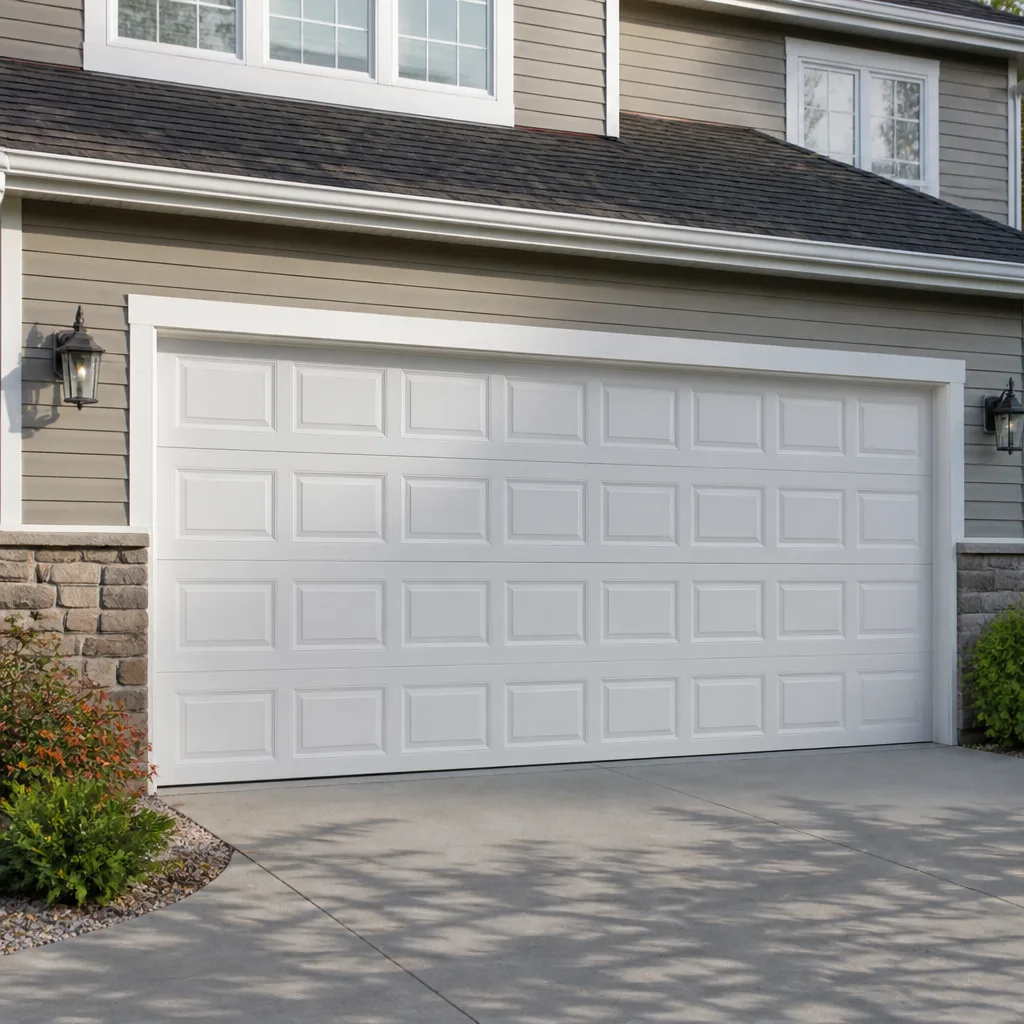 Raised-panel steel
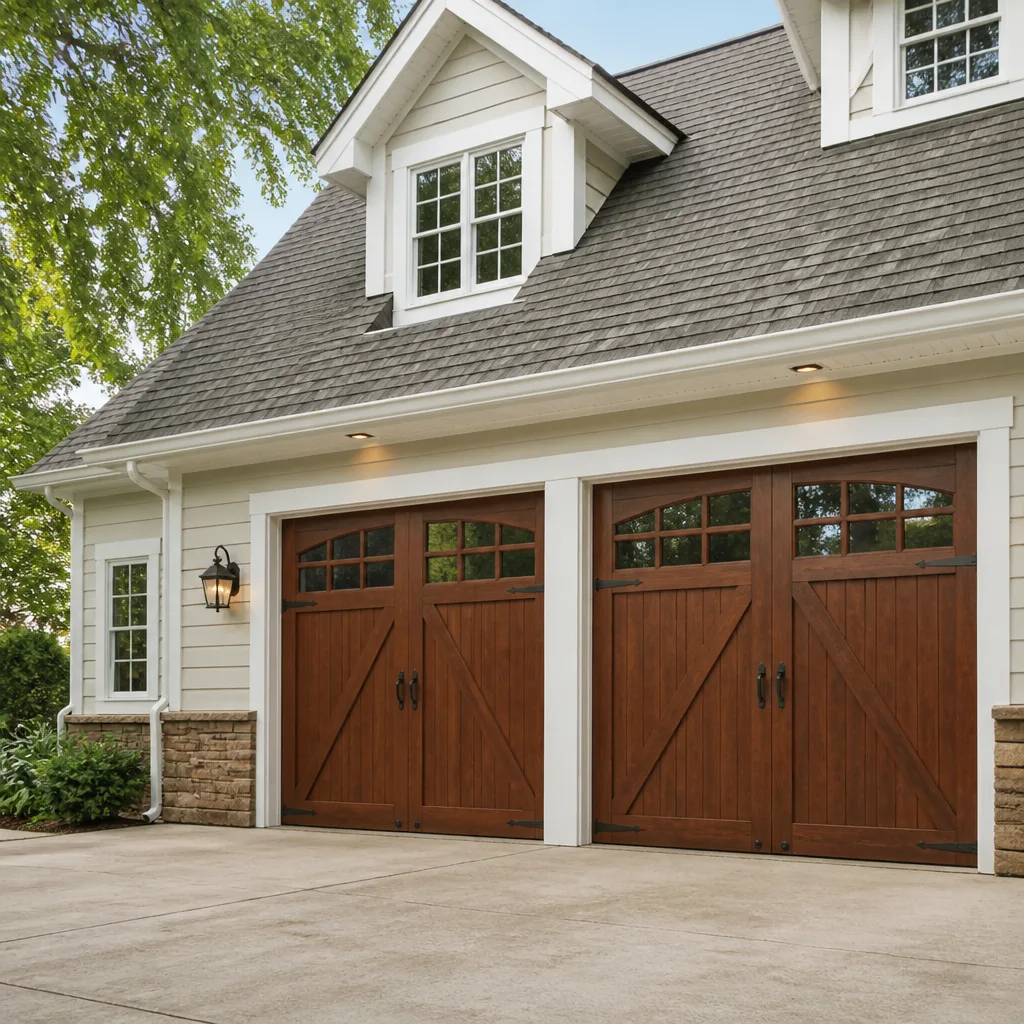 Carriage house
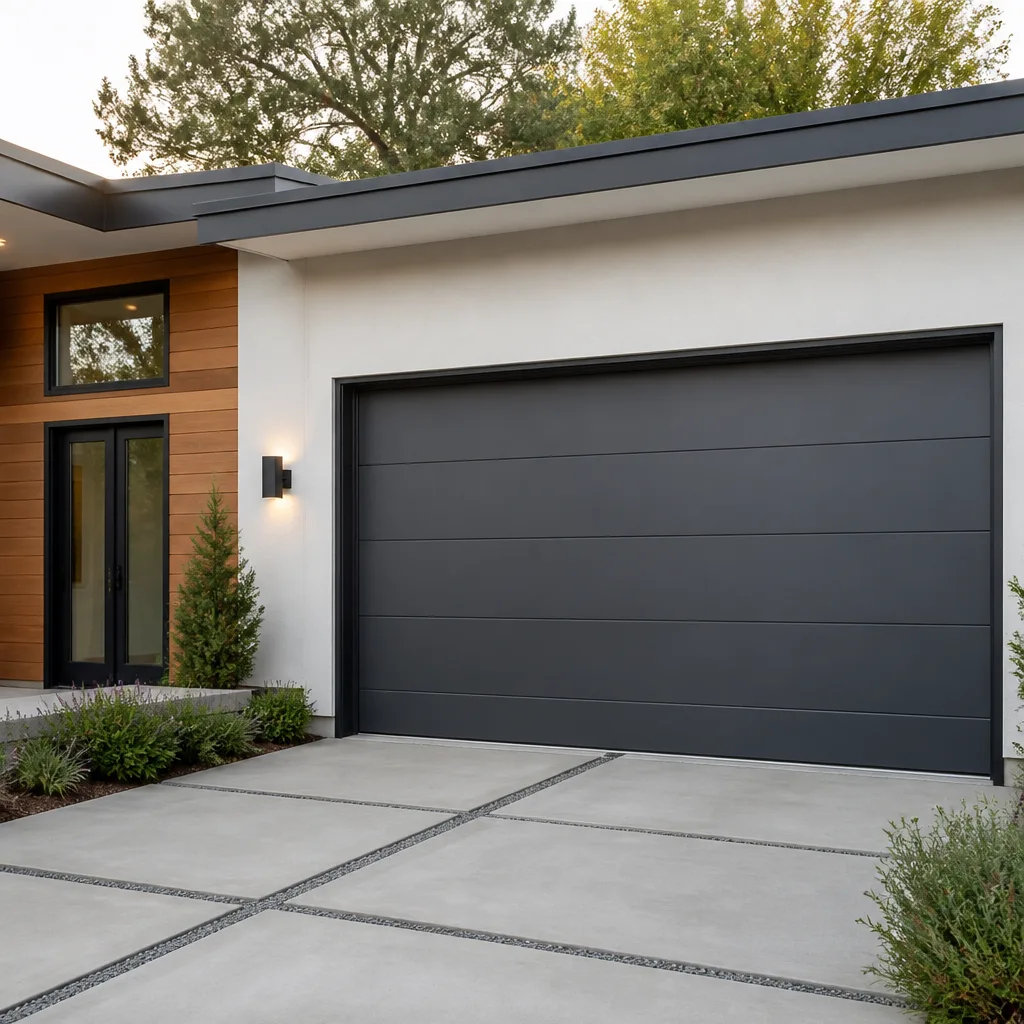 Modern flush
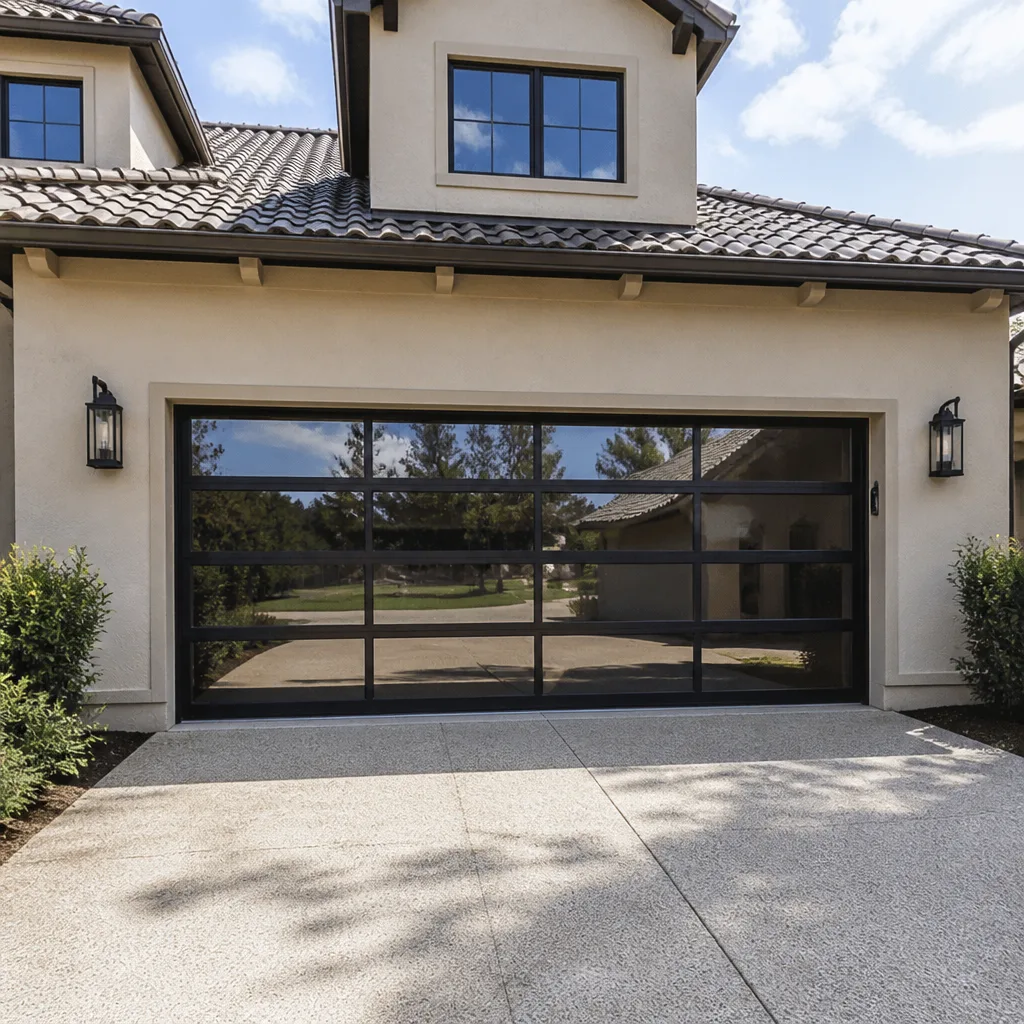 Full-view glass
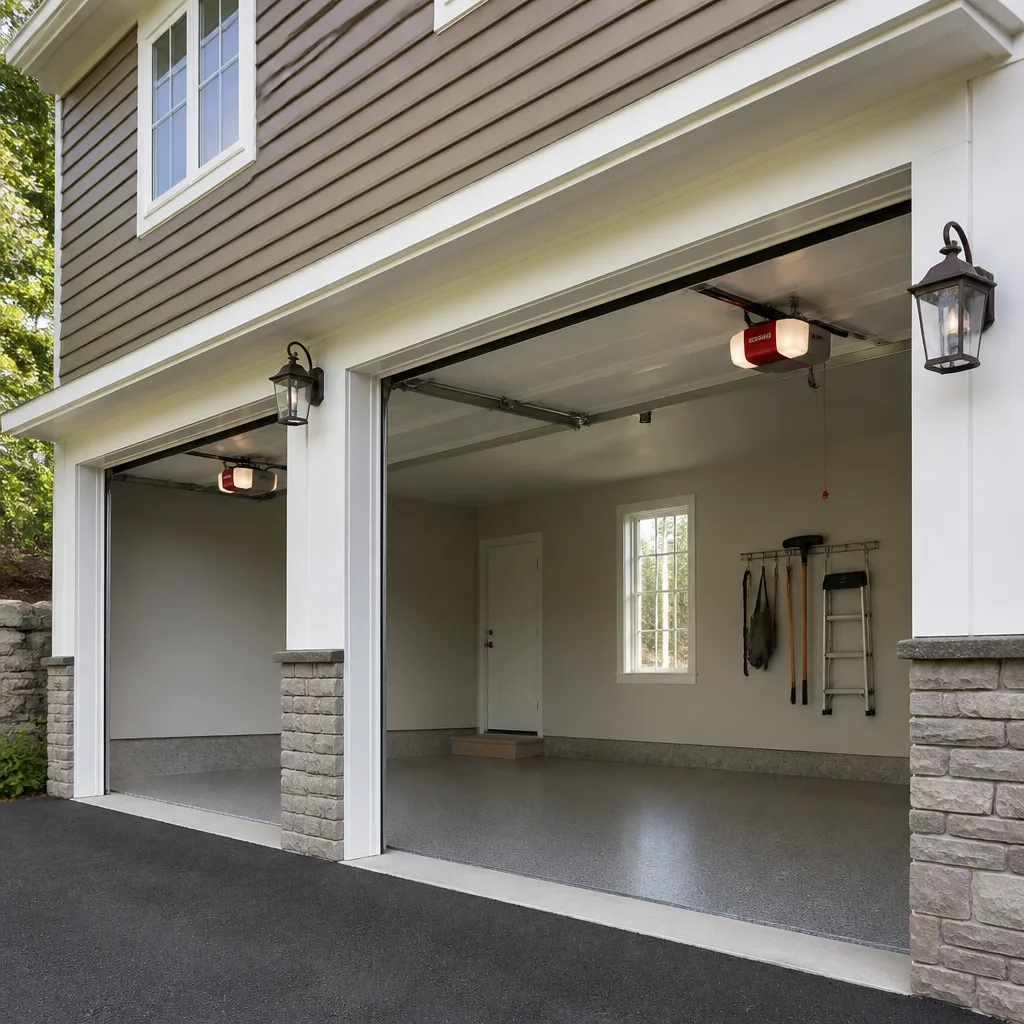 LiftMaster openers
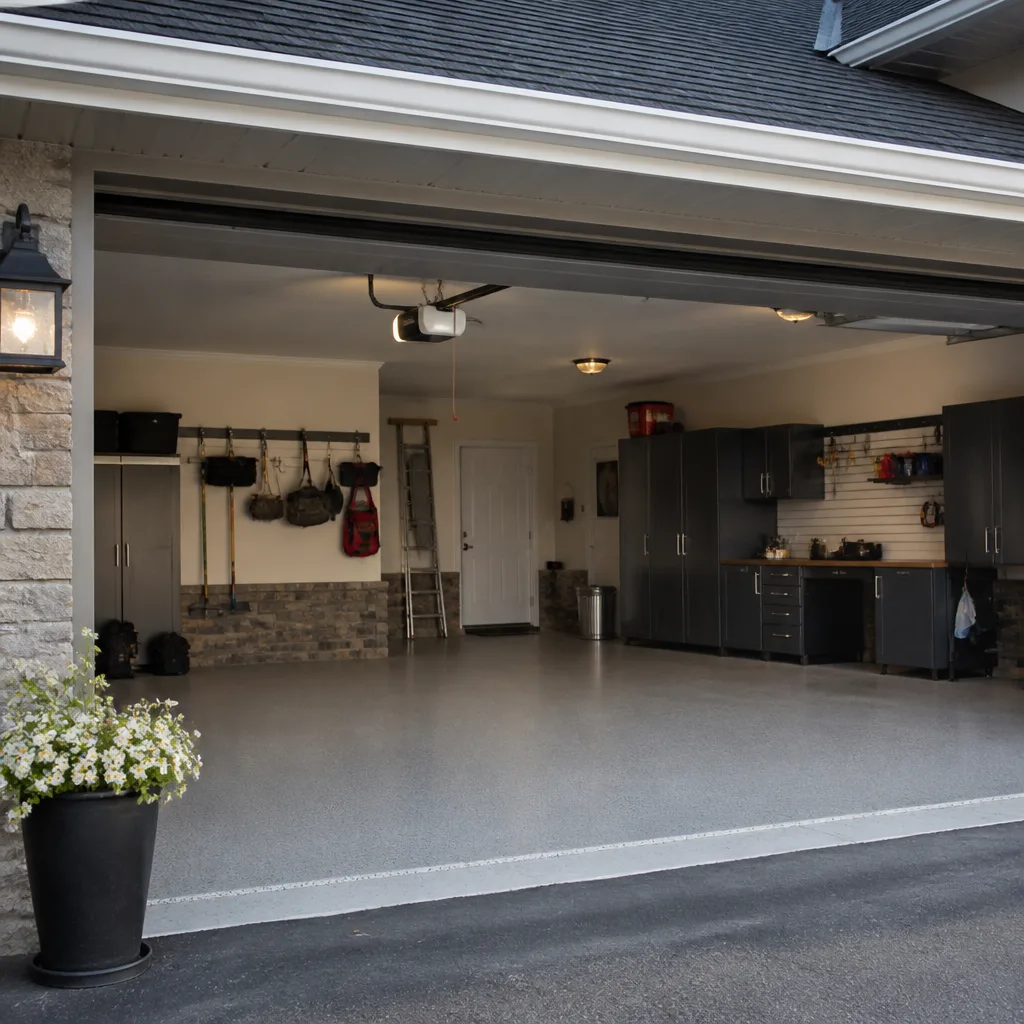 Chamberlain openers
Full 25-point door and opener safety check with every visit - springs, cables, rollers, tracks, and your LiftMaster or Chamberlain opener included
You get a price before we start. It does not change when the pro arrives.
Get your free estimateGarage Door Emergency Preparedness Guide for Quincy Homes
When a garage door fails during a storm or a power outage, most homeowners spend the first twenty minutes trying things that can’t possibly work. They pull the release cord while the door is up, or they cycle the opener again and again hoping it resets. None of it helps, and some of it makes the repair worse. The reason isn’t carelessness. It’s that almost nobody is taught how the two systems in a garage door – the torsion assembly up top and the opener carriage on the rail – actually interact until the moment they need to know. This guide covers both kinds of Quincy garage door emergency: the acute mechanical failure and the urgent safety situation. You’ll learn what to do first, what to leave alone, and how to tell which is which.
Quick Answer
A garage door emergency in Quincy usually falls into one of two categories, and they need different responses. A mechanical failure – snapped spring, door off its track, opener dead after a storm – calls for securing the door and booking a same-day repair. A safety emergency – a door that won’t close with a child or pet in the garage, or a door that comes down on its own – calls for keeping people clear of the door and calling immediately. In both cases, the single most important thing to know before anything goes wrong is how your emergency release cord works and when not to pull it.
Styles & brands we work with
- Raised-panel steel
- Carriage house
- Modern flush
- Full-view glass
- LiftMaster openers
- Chamberlain openers
Table of Contents
- The Two Kinds of Garage Door Emergency
- How the Emergency Release Cord Works (And the Pull That Strands Your Door)
- When Your Door Won’t Close: Securing the Opening
- Power Outage Protocol for Quincy Homes
- What Can Wait Until Morning and What Can’t
- What to Have Ready Before You Call
- Storm Season and Winter Prep for South Shore Doors
The Two Kinds of Garage Door Emergency
Not every garage door problem is an emergency, but the ones that are tend to sort into two clean groups. Getting the group right is the first decision you’ll make, and it determines everything that follows.
Acute mechanical failures are the ones you can see and hear. A torsion spring breaks with a sound like a gunshot and the door drops hard or won’t lift at all. A cable snaps and the door hangs crooked. The door jumps its track after a car bumper taps it. The opener motor runs but nothing moves. These are repair problems. They’re serious, they can leave your car trapped, and they usually need same-day attention – but they don’t put anyone in immediate physical danger as long as you keep clear of the door and don’t force it.
Safety emergencies are different. Here the door itself is behaving in a way that could hurt someone. A door that closes on its own, a door whose safety reverse fails to stop it on contact, a door that won’t close at all with a small child or a pet inside the garage – these are the scenarios where the priority isn’t the door, it’s the people and animals near it.
In our experience across Quincy, the second category is the one homeowners underreact to. A broken spring is obvious and alarming. A door that closes a little too firmly, or reverses only sometimes, gets shrugged off for weeks. That’s the wrong way around.
How the Emergency Release Cord Works (And the Pull That Strands Your Door)
The red-handled cord hanging from your opener rail disconnects the door from the motor so you can lift it by hand. It’s a manual-override device, not a repair tool, and it has one rule that matters more than any other: only pull it when the door is fully closed.
The reason is mechanical. With the door down, the springs are under full tension and the door’s weight is balanced against them. Pull the cord in that position and you can lift the door by hand, guide it up, and it will stay put when you let go because the spring system holds it. Pull the cord while the door is already up and the carriage disconnects from the trolley at the top of the rail – and now you have an open door with no motor attached to it and no easy way to re-engage the carriage without getting up on a ladder to line the parts back up. Many homeowners end up leaving the door propped or stuck in the open position overnight because of exactly this.
Here’s the correct sequence when you need to open the door by hand:
- Make sure the door is fully closed and the opener has stopped running.
- Pull the release cord straight down and toward the door, firmly and once.
- Lift the door slowly by hand using the bottom section, keeping your fingers away from the joints between panels.
- Guide it all the way up. Don’t stop halfway and let go – a door left partway can drift.
- To reconnect, close the door fully by hand, then pull the cord again or run the opener once to re-engage the carriage.
One caution that isn’t optional: if the door feels extremely heavy when you try to lift it by hand, or if it drops fast when you let it down, stop. That usually means a spring has failed or is failing, and a door in that condition can come down hard enough to cause serious injury. Torsion springs and the cables they tension are the genuinely dangerous parts of this system. They’re under enough load to hurt someone badly, and they’re not a homeowner repair. Call a trained technician instead of wrestling with it.
When Your Door Won’t Close: Securing the Opening
A door that won’t close is the scenario that turns a garage door problem into a security problem. If the door stays open, the garage – and often the door into the house – is exposed. Here’s how to think about it in the moment.
First, rule out the simple causes. Most “won’t close” calls come down to one of these:
- The safety sensors are blocked or misaligned. The two small eyes near the floor on either side of the opening need a clear line of sight. A broom handle, a recycling bin, or a balled-up leaf bag sitting in the beam will stop the door every time. Wipe the lenses and check that the indicator lights on both sensors are solid, not blinking.
- The wall control is locked. Many wall consoles have a lock function that stops the door from responding. Check for a lit lock indicator.
- The opener lost power or tripped a breaker. If the motor is silent and no lights come on, check the outlet and the panel.
- A broken spring or cable. If the opener runs but the door barely budges or moves a few inches and stops, don’t keep cycling it. You’re stressing the opener for no reason.
If you can’t get the door down and you need to secure the opening for the night, some methods hold better than others. A properly fitted slide bolt or a heavy bar across the inside of the door, set in the track, will hold a closed door in place. A thin piece of wood wedged under the bottom section will not – it’ll shift, and it won’t stop anyone determined. If the door is stuck open, closing the interior door between the garage and the house and locking it is the practical move that actually protects the living space. In Quincy, where a lot of homes sit close to the street with a driveway that leads straight to the garage, an overnight open door is worth taking seriously.
Power Outage Protocol for Quincy Homes
Nor’easters and summer thunderstorms knock out power across Quincy with some regularity, and a dead opener is one of the most common calls we get after a storm. The good news is that a power outage is not a garage door emergency. It’s a manual operation exercise, and it’s manageable if you know the sequence.
During the outage:
- Confirm the outage is the cause. Check whether other lights in the house are out and whether the opener’s outlet is dead.
- With the door fully closed, pull the release cord once to disconnect the carriage.
- Open and close the door by hand as needed, always guiding it fully up or fully down. Never leave it partway.
- If you’re leaving the house, close the door by hand and engage the manual lock or slide bolt if your door has one. With the carriage disconnected, a thief can lift the door by hand from outside, so lock it.
After power returns: don’t just hit the remote and assume everything’s fine. Close the door fully by hand first, then run the opener once. The carriage should re-engage with the trolley. Test the safety reverse by placing an object in the door’s path – the door should reverse on contact. If it doesn’t, stop using the opener until a technician looks at it. If the opener won’t run at all after power is restored, check the outlet and the breaker before assuming the motor is dead. Modern openers from LiftMaster and Chamberlain, including MyQ-enabled units, sometimes need a power cycle to reconnect to the network, which is a separate issue from the door itself not moving.
What Can Wait Until Morning and What Can’t
Part of being prepared is knowing which problems are genuinely urgent. Here’s how we sort them.
Genuine same-day emergencies:
- Spring or cable failure that leaves the door stuck open or impossible to close
- A door off its track and hanging at an angle
- A door that’s come down on something or someone
- A door with a failed safety reverse that’s being used around children or pets
- The only vehicle access blocked with a medical or work need the next morning
Can wait for a scheduled visit:
- A noisy door, or one that shudders and jerks but still opens and closes
- A remote or keypad that stopped working while the wall control still works
- One section of safety sensors that’s intermittent
- An opener light that won’t turn off
- Weatherstripping that’s cracked or pulling away from the bottom section
The line between them is safety and security, not convenience. A door that’s loud but closes properly isn’t an emergency. A door that closes on its own, or won’t close reliably, is. And if you’re ever unsure which category you’re in, that’s a good reason to call and describe it – the answer usually takes under a minute to give.
What to Have Ready Before You Call
When you call for garage door repair, the single most useful thing you can do is tell the person on the phone what brand of door and opener you have and what happened the last time it worked normally. That short description is what lets a technician arrive with the right parts rather than making a second trip.
Here’s the prep list:
- Door brand. Look for a sticker or stamp on the inside of the top section. Clopay, Amarr, Wayne Dalton and Raynor all mark their doors, and knowing which one you have tells us the panel profile, the spring setup, and the track configuration.
- Opener model. The model number is usually on a label on the back or underside of the motor head. LiftMaster, Chamberlain, Genie and Craftsman are the four we see most in Quincy, and each family of openers has its own quirks – a MyQ or Aladdin Connect unit behaves differently from a legacy chain-drive.
- What happened last time it worked. “It opened fine, I closed it, and an hour later it wouldn’t open” is more useful than “it’s broken.”
- Whether the door is open or closed right now. This changes the urgency and the safety advice immediately.
- Whether the opener motor runs. If the motor hums but the door doesn’t move, that’s a mechanical issue. If the motor’s silent, that’s an opener or power issue.
- Any unusual sounds. A bang, a snap, a grinding noise, a squeal.
Having those answers ready means the person on the phone can give you real guidance on the spot and get a technician out with the right parts on the first visit. It’s the difference between one service call and two.
Storm Season and Winter Prep for South Shore Doors
Quincy’s weather puts a specific kind of wear on garage doors. The freeze-thaw cycle of a Massachusetts winter works on the bottom seal and the hinges. Snow piled against the door bottom and refreezing adds weight the opener then has to fight. Summer humidity warps wood sections and swells the joints. Add the wind load from a coastal storm system rolling in off the water, and the door takes a beating most of the year.
A few checks before storm season and again before winter make a real difference:
- Test the safety reverse monthly by placing a small object in the door’s path. The door should stop and reverse.
- Balance the door by hand: lift it to the halfway point with the release cord pulled. It should stay put. If it drops or rises on its own, the springs need attention.
- Lubricate the hinges, rollers and springs with a garage door lubricant, not grease. Grease attracts grit.
- Check the bottom seal for cracks and replace it if it’s failing. That seal is what keeps snow and water out of the garage and away from the door mechanism.
- After a storm, clear snow and ice away from the bottom of the door before running the opener. Never force a frozen door up.
If you have a smart opener, check that the app connection still works after major storms. A garage door opener that’s offline isn’t a repair emergency, but it’s worth knowing before you’re on a plane and trying to check whether the door’s closed.
Common Mistakes to Avoid
- Pulling the release cord while the door is open. This strands the door in the up position and disconnects the carriage in a way that takes a ladder to fix. Always pull it with the door fully closed.
- Cycling a stuck opener over and over. If the door won’t move or moves a few inches and stops, stop hitting the button. You’re burning the motor and adding to the repair.
- Attempting a torsion spring repair yourself. Those springs are under load heavy enough to cause serious injury if they release unexpectedly. They’re not a homeowner job under any circumstances. This one isn’t negotiable.
- Propping an open door with a piece of wood. It shifts. It doesn’t hold. If the door is stuck up and you need it secure overnight, use a proper slide bolt or a bar in the track.
- Ignoring a door that reverses only sometimes. Intermittent safety reverse is more dangerous than none at all, because it trains everyone in the house to trust a door that can’t be trusted.
- Calling without the door and opener brand. The brand is what brings the right parts. It’s the one fact worth finding before you dial.
- Forgetting to lock the door after an outage. Once the carriage is disconnected, an unlocked door can be lifted by hand from the outside. If you’re going out, lock it.
See the difference
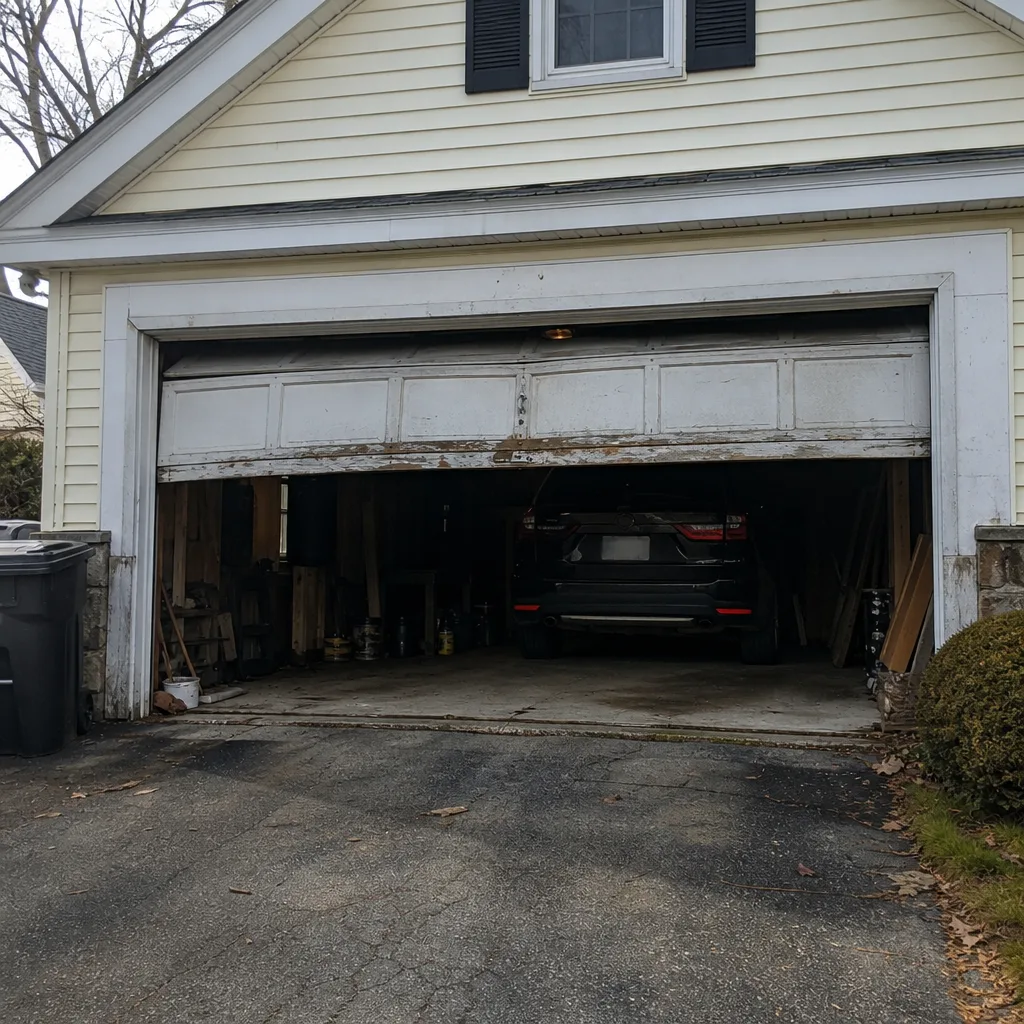 Before
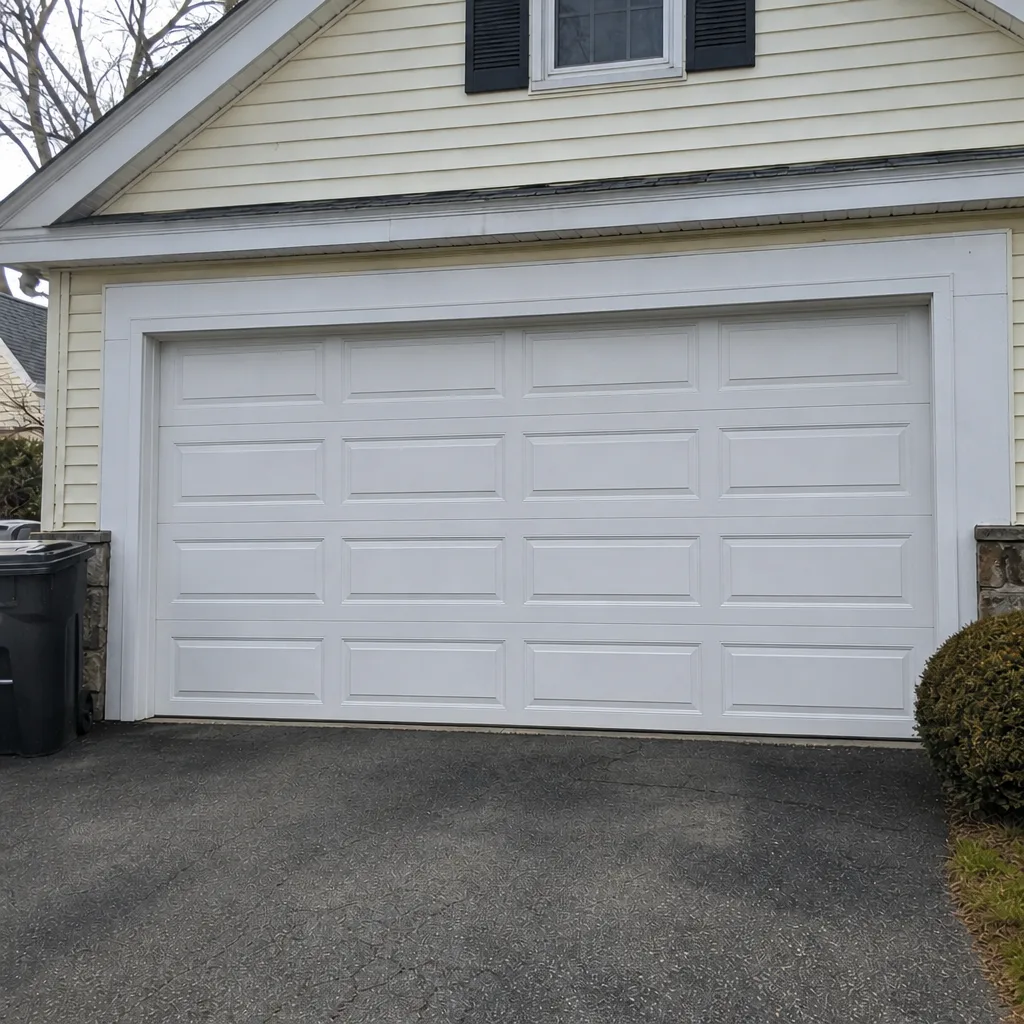 After
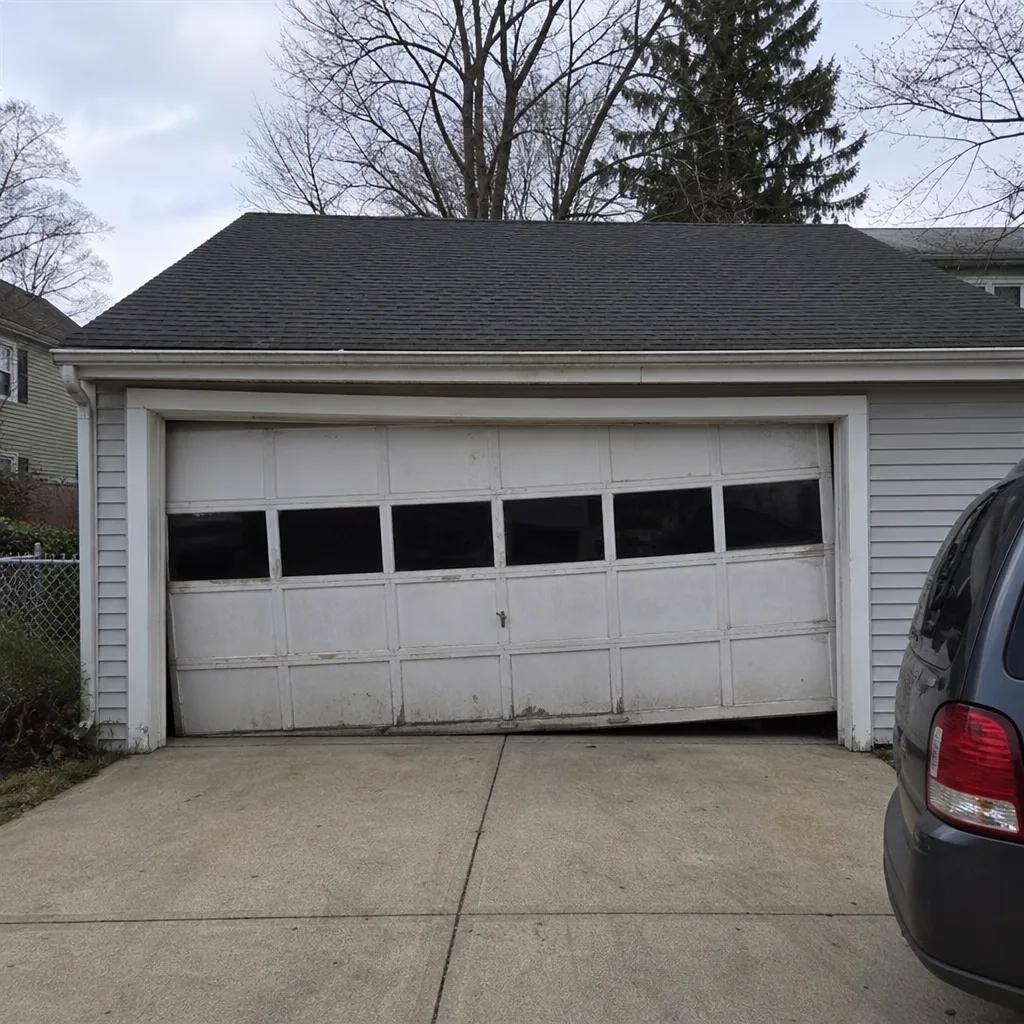 Before
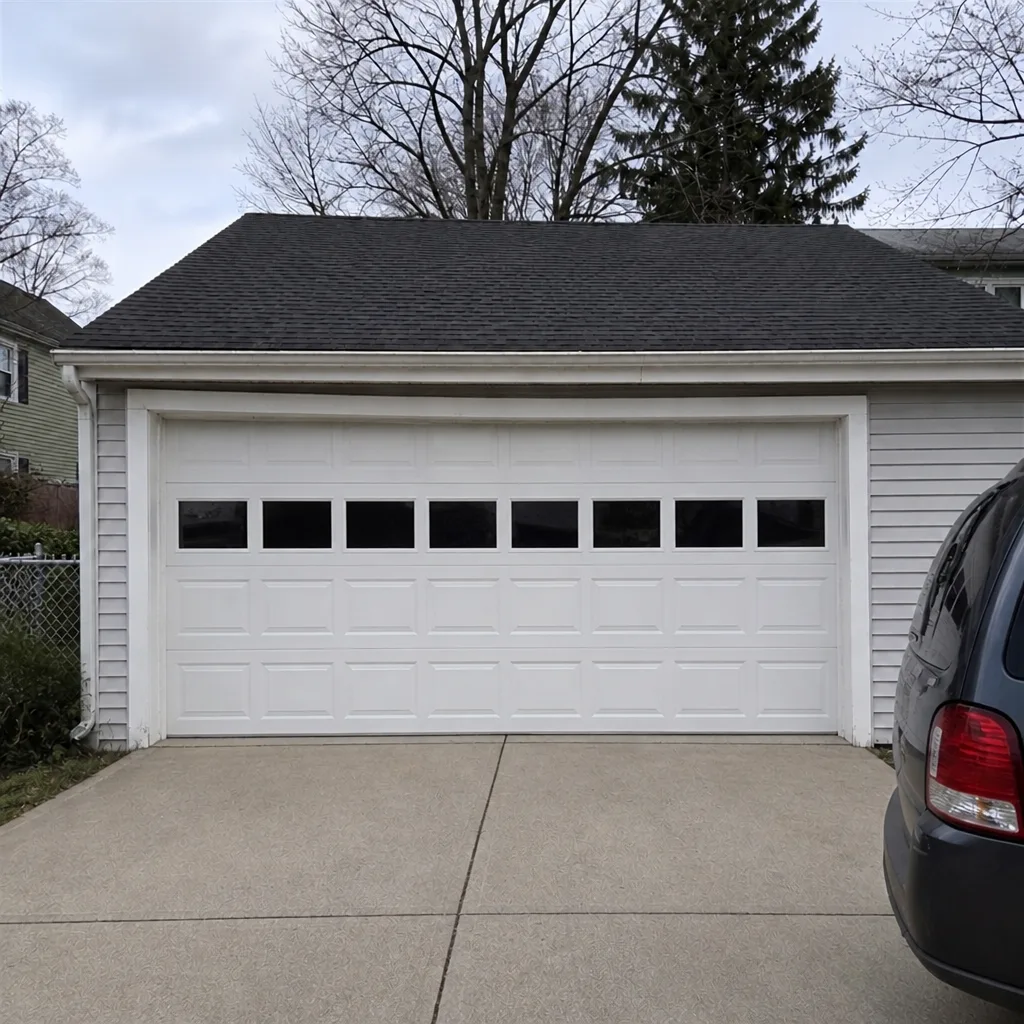 After
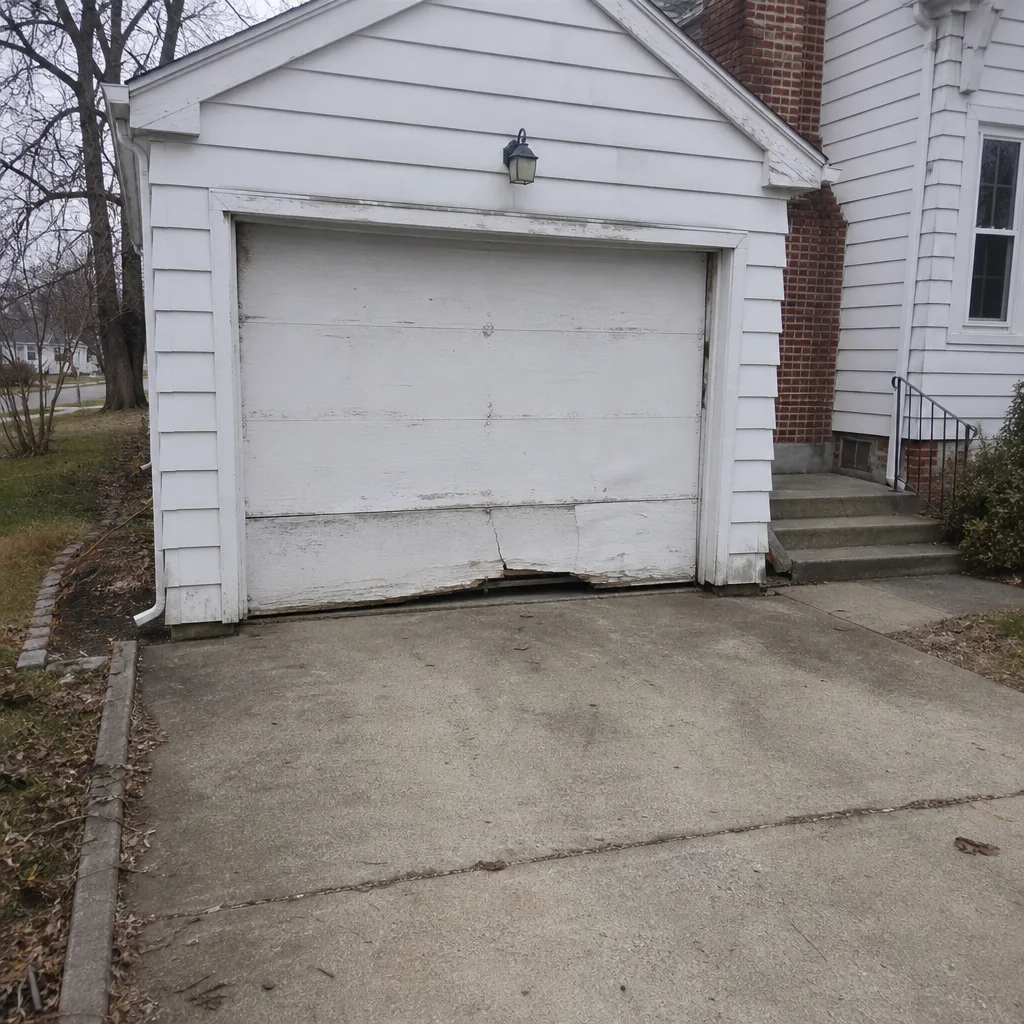 Before
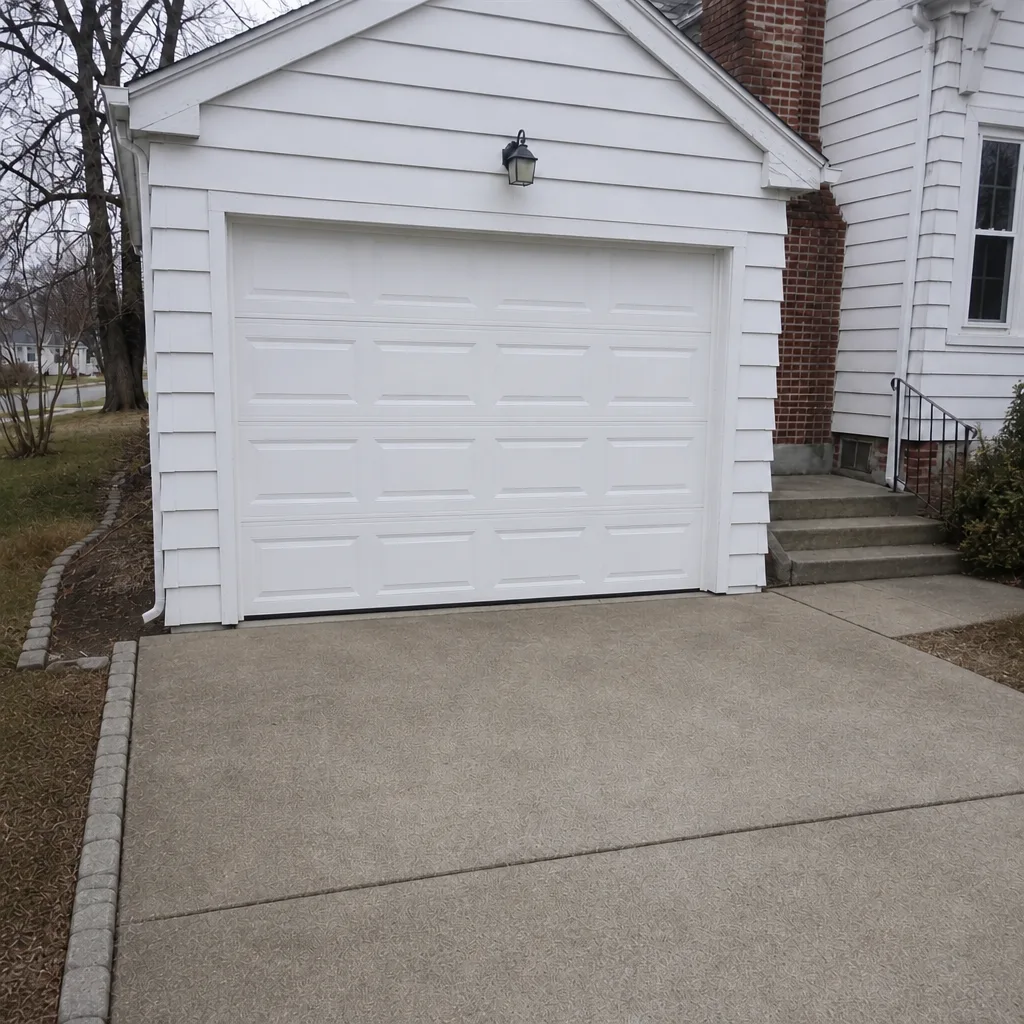 After
When to Call a Professional
Some garage door problems genuinely need a trained technician, and the sooner the better. Broken springs or cables, a door off its track, a door that’s dropped and bent a panel, a door that closes on its own or fails to reverse, and an opener whose carriage won’t re-engage after a manual release – all of these are calls for someone who does this every day. Our garage door opener repair handles the electronics and motor side, and we’re familiar with the full range of LiftMaster, Chamberlain, Genie and Craftsman systems common across the South Shore. Call (844) 755-5234. We answer 24/7. Fast dispatch from 7am to 7pm, Sunday through Friday. Quincy Garage Door Service offers free estimates in Quincy – call (844) 755-5234.
Frequently Asked Questions
Usually yes, in the sense that it needs same-day attention, because a broken spring leaves the door unusable and often stuck open. It’s not a life-threatening situation as long as you keep clear of the door and don’t try to lift it. Call (844) 755-5234 for an exact quote on the repair – estimates are free and the price is agreed before any work starts. We answer 24/7.
In most cases yes, if you call during dispatch hours. We answer 24/7, and a call outside dispatch hours is booked into the next opening, Sunday through Friday, 7am to 7pm. Have your door and opener brand ready so we can bring the right parts on the first visit. Call (844) 755-5234.
No, not the agreed price. We give you a written estimate before any work begins, and that’s the price you pay for the job described. If a technician finds something additional that changes the scope, you’ll hear about it before any of it is done and you decide whether to move forward. Call (844) 755-5234 for a free estimate.
Yes. Our technicians are experienced professionals and the work is covered by insurance. Our technicians have up to 15 years of experience, and every job is a garage door job – we don’t spread attention across other trades. Call (844) 755-5234 to talk through what you need.
Close the interior door between the garage and the house and lock it, then check the safety sensors for anything blocking the beam. If the door still won’t come down, secure the opening the best way you can and call. A door stuck open overnight is worth treating as urgent. Call (844) 755-5234.
Both. We’re factory-familiar with LiftMaster, Chamberlain, Genie, Craftsman and other widely installed brands, from legacy chain-drive units to app-connected systems. Whether your door needs a repair or a full replacement, we’ll diagnose what you actually have. Call (844) 755-5234 for a free estimate.
The Bottom Line
A garage door emergency in Quincy is manageable if you’ve thought about it before it happens. Know that the release cord gets pulled only with the door closed. Know that a broken spring or cable means stopping and calling a trained technician, not improvising. Know that a door that won’t close is a security concern worth acting on, not waiting out. Have the door brand and opener model written down somewhere you can find in the dark, and know which failures need same-day attention versus which can wait for a scheduled visit. That’s the preparation. The rest is one phone call to a specialist who does this all day.
Quincy Garage Door Service is your specialist for Quincy Garage Door Service across the region, and we handle every stage from installation and repair to opener service. If your door needs attention in Quincy or a neighboring community, call (844) 755-5234 for a free estimate. We answer 24/7. Fast dispatch from 7am to 7pm, Sunday through Friday. One number, one specialist, and a written price before any work starts.
Written by the team at Quincy Garage Door Service.